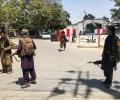
Despite dependence on the ISI for years of sustenance, Taliban leaders may harbour resentment over the ISI's excessive control, notes Rana Banerji, who headed the Pakistan desk at the Research and Analysis Wing.
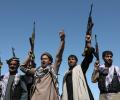
The 13th report of the Analytical Support and Sanctions Monitoring Team cites a UN Member State as saying that Jaish-e-Mohammed (JeM), a Deobandi group ideologically closer to the Taliban "maintains eight training camps in Nangarhar, three of which are directly under Taliban control."

Once Mazar-i-Sharif falls, some isolate pockets of resistance may remain, which the Taliban would tackle through political work or coercion, asserts Ambassador M K Bhadrakumar.

India has been discomfited by signs that the United States and its allies are preparing to leave Afghanistan.

Asserting that the United States has the right strategy for Afghanistan to break the momentum of the Taliban, United States President Barack Obama on Tuesday said he would begin to transfer some of the American troops from this war torn country in July 2011.
Reflecting a subtle change in America's stance towards the Taliban, United States Secretary of State Hillary Clinton has said that the US is 'willing to work' with the militant group if it renounces its ties with the Al Qaeda and commits itself to the constitution of Afghanistan. "Under certain circumstances, we do," Clinton told a Russian news channel during an interview, responding to a question on whether she accepts the idea of working with the Taliban.
While US officials believe much of the American money was not making its way to the frontline, Pakistani officials see it as American ingratitude for Pakistani counterterrorism efforts.

Beyond the barbed wire and watchtowers, though, lies a story that casts more than a little doubt on whether this dream will ever be realised. Praveen Swami reports.
 © 2026 Rediff.com - Investor Information - Advertise with us - Disclaimer - Privacy Policy - Sitemap - Feedback - About us - Terms of use - Grievances