
The shortfall in GST compensation payable to states in the current fiscal is estimated at Rs 2.69 lakh crore, of which Rs 1.58 lakh crore would have to be borrowed this year. The Centre expects to collect over Rs 1.11 lakh crore through cess on luxury, demerit and sin goods which will be given to the states to compensate them for the shortfall in revenue arising out of GST implementation. The remaining Rs 1.58 lakh crore would have to be borrowed to meet the promised compensation to states under the Goods and Services Tax (GST) regime.

Petrol price on Thursday was cut by Rs 6.07 per litre and diesel price by Rs 11.75 in Delhi as oil companies passed on a record reduction in excise duty rates to consumers. Buckling under pressure, the government had on Wednesday cut excise duty on petrol by Rs 5 per litre and that on diesel by Rs 10 a litre to give reprieve to consumers battered by record high retail fuel prices. Since states charge local sales tax or VAT not just on the base price but also on the excise duty levied by the centre, the total incidence of price reduction is higher.

The tax department will remain a source of endless nightmares for citizens and 'transparent taxation' will remain an empty slogan and a cruel joke, observes Debashis Basu.

The Gujarati's intolerance for diversity can be seen in India's hard nationalism which is showing itself in Kashmir and the North East, observes Aakar Patel.

The US launched an investigation, focusing on whether the tax in India and other countries discriminated against American companies, were retroactive, and reflected unreasonable tax policy.

Changes in I-T rules kick in today; to help govt track taxpayers' income, reports Dilasha Seth.

The central government is likely to exceed the budgeted tax collection target of Rs 22.2 trillion for the current fiscal year, led by better indirect tax mop-up, compliance measures, and recovery in most sectors following the second wave of the Covid pandemic. Personal income and corporate tax collections (net of refunds) grew 74 per cent to Rs 5.70 trillion in the first half of the current financial year, driven mainly by advance tax and TDS payments. The target for the current fiscal year is Rs 11.08 trillion; higher taxes are paid usually towards the end of a fiscal year.
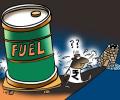
Finance Minister Nirmala Sitharaman on Monday ruled out a cut in excise duty on petrol and diesel to ease prices, which have touched an all-time high, saying payments in lieu of past subsidised fuel pose limitations. Petrol and diesel as well as cooking gas and kerosene were sold at subsidised rates during the previous Congress-led UPA government. Instead of paying for the subsidy to bring parity between the artificially suppressed retail selling price and the cost that had soared because of international rates crossing $100 per barrel, the then government issued oil bonds totalling Rs 1.34 lakh crore to the state-fuel retailers. These oil bonds and the interest thereon are being paid now.

The Centre is against giving any shock in the first year of the rollout by bringing in new services.
Finance Minister Arun Jaitley had came out with a host of proposals last month.
 © 2026 Rediff.com - Investor Information - Advertise with us - Disclaimer - Privacy Policy - Sitemap - Feedback - About us - Terms of use - Grievances