
An online company would show a particular price to the customer and then quickly increase the cost after analysing consumer behaviour or detecting any kind of desperation.

If two individuals in an indoor space are not wearing a mask, in just 10 minutes, the infected person can transmit the virus to the other person, while if both are wearing a fitted N-95 mask, it requires over 600 hours of exposure for transmission, he said.

Less than 30,000 booster doses daily in December.
Not displaying the mandatory information, including country of origin, on products sold on their platforms in India, draws government's attention.

The delivery staff who drop off packages for online retail giants or food or ferry passengers around the city in their taxis are among the worst affected by the capital's foul air.
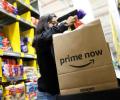
What is aggravating the situation is that e-commerce firms are facing huge shortage of delivery personnel. They have not been able to bring back their staff to work, despite offering higher pay and Covid-related insurance packages.

Instead of making the sellers bleed, experts say, e-commerce giants Amazon and Flipkart have roped in banks to offer discounts to buyers.

For now, Bounce, Shuttl, Fab Hotels, Instamojo, Zomato, Curefit, and HealthifyMe, among others, are going for salary deductions. Most of the consumer internet start-ups, besides those who are in the grocery delivery, education tech, and video conferencing business, would ultimately lay-off people and cut back salaries.

Seed and early-stage start-ups are high-risk businesses, rarely have collateral and only 1 in 10 of them makes it to becoming a viable company.

The government is looking to plug loopholes in the Indian customs law provision that allows tax exemptions for gifts up to Rs 5,000 and trade samples up to Rs 10,000 sent to India from abroad.

In the worst-case scenario, it will be next to impossible for tech companies like Amazon and Google to run any service that requires user biometrics.

Among key guidelines, the e-commerce companies will also be required to ensure that personally identifiable information of customers are protected.

According to a survey by community platform LocalCircles, early-stage start-ups, funding dependent start-ups and many small businesses will soon be fighting for survival as the spurt in coronavirus cases hits them hard.
 © 2026 Rediff.com - Investor Information - Advertise with us - Disclaimer - Privacy Policy - Sitemap - Feedback - About us - Terms of use - Grievances