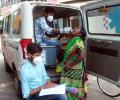
The highly transmissible Delta variant of SARS-CoV-2 has mutated further to form the 'Delta plus' or 'AY.1' variant but there is no immediate cause for concern in India as its incidence in the country is still low, scientists in New Delhi said.
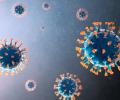
The Delta Plus variant have been detected sporadically in Maharashtra, Kerala and MP.
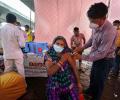
When a person gets an infection even after being vaccinated against it, it is called a breakthrough case.
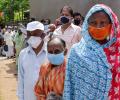
These 51 cases were detected from over 45,000 samples sequenced so far in the country.
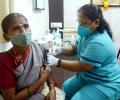
Emphasising the effect of the potential COVID third wave on children, the report said the Indian Academy of Paediatrics found that there is no biological evidence that the current and the new Delta Plus variant will affect children more than adults.

While virologists say theoretically the vaccine that works on Delta should work on the Delta Plus variant as well, more research is needed.
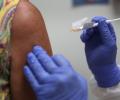
Breakthrough infections of coronavirus cases comprise a very high proportion of the Delta variant, the INSACOG, a genome sequencing government consortium of laboratories, has said.

'Delta continues to be the dominant lineage for new cases across all parts of India in recent samples and remains the most rapidly rising lineage globally that is responsible for multiple outbreaks, including across Southeast Asia, which shows the fastest growth in new cases globally,' the INSACOG said.
 © 2026 Rediff.com - Investor Information - Advertise with us - Disclaimer - Privacy Policy - Sitemap - Feedback - About us - Terms of use - Grievances