
NSE's draft prospectus discloses a legal dispute over 5,000 shares allegedly transferred by mistake into an individual investor's demat account.

With momentum building around the IPO, the NSE saw a surge in retail investors in the last two years, making it one of the widely traded stocks in the unlisted market.

The National Stock Exchange (NSE) is reportedly planning to launch its much-anticipated initial public offering (IPO), estimated at around Rs 30,000 crore, in September, potentially valuing the exchange at over Rs 5 lakh crore.
The National Stock Exchange (NSE) is expected to file its preliminary IPO papers with Sebi next week, marking a significant step forward for the long-awaited public offering which has been delayed for nearly a decade due to regulatory issues.

The National Stock Exchange (NSE) is set to launch India's largest initial public offering (IPO), estimated at Rs 30,000 crore. This mega public issue will surpass previous records held by Hyundai Motor India and Life Insurance Corporation of India (LIC), marking a significant event in the Indian stock market. The move comes as India's primary market shows signs of recovery after a period of slowdown.

Indian benchmark stock indices, Sensex and Nifty, experienced mixed trading following the introduction of a new Closing Auction Session (CAS) for shares with futures and options (F&O) contracts, aimed at enhancing price discovery transparency. Track Sensex, Nifty on August 4

Indian benchmark indices, Sensex and Nifty, saw a significant rebound in early trade, with the Sensex jumping 726 points and the Nifty climbing over 200 points, primarily driven by strong performances in IT stocks, HDFC Bank, and renewed foreign fund inflows. Track Sensex, Nifty on July 29.
Indian benchmark indices Sensex and Nifty recorded sharp gains, rising over 1 per cent, driven by strong performances in IT stocks, HDFC Bank, and renewed foreign fund inflows, despite mixed global cues and elevated crude oil prices.

Indian stock markets ended a five-day losing streak, with the Sensex surging 776 points and the Nifty gaining 228 points, driven by a significant drop in crude oil prices and easing geopolitical tensions in West Asia.

Indian stock market indices closed on a mixed note, with the Sensex gaining 374 points driven by buying in Reliance Industries and ICICI Bank, while the Nifty remained flat. This divergence is attributed to a new Closing Auction Session (CAS) mechanism introduced by stock exchanges, impacting market liquidity and price discovery.

The Reserve Bank of India (RBI) maintained its key policy rates for the fourth consecutive time, keeping the repo rate at 5.25 per cent, while the benchmark BSE Sensex closed 152 points higher in a volatile session, recovering from an intraday dip.

Milky Mist Dairy Food Ltd has set the price band for its Rs 1,553 crore Initial Public Offering (IPO) at Rs 133-140 per share, with subscriptions opening on August 11 and closing on August 13.

Indian stock market benchmark indices, Sensex and Nifty, saw significant gains in early trade, driven by a sharp decline in crude oil prices and easing geopolitical tensions, alongside renewed foreign fund inflows.
At the upper end of that range, the bourse would rank among the seven most valuable listed firms in the country.
Indian benchmark indices, Sensex and Nifty, saw early gains driven by lower crude oil prices and buying in Reliance Industries, even as the Reserve Bank of India maintained its benchmark policy rate for the fourth consecutive meeting, reinforcing confidence in the domestic economy.
Indian benchmark stock indices, Sensex and Nifty, extended their winning streak to a fourth day, with Nifty surging 1.60 per cent, driven by a sharp decline in crude oil prices and renewed foreign fund inflows.
Indian benchmark indices, Sensex and Nifty, opened higher on Friday, primarily driven by a significant surge in Bajaj Finance shares following its strong Q1 FY27 earnings report, coupled with continued foreign fund inflows and a dip in crude oil prices. Track Sensex, Nifty on July 31.

Indian benchmark indices Sensex and Nifty ended a four-day rally, closing lower on Tuesday following the introduction of a new Closing Auction Session (CAS) for F&O stocks, which has added a layer of volatility and led to an early adjustment in market structure.

Indian benchmark indices, Sensex and Nifty, opened in positive territory, primarily driven by a strong performance in IT stocks, sustained foreign fund inflows, and a dip in global crude oil prices, despite a hawkish stance from the US Federal Reserve. Track Sensex, Nifty on July 30.

Analysts predict that the Reserve Bank of India's interest rate decision, the evolving situation in West Asia involving the US-Iran conflict, and crude oil prices will be the primary factors influencing investor sentiment in the Indian stock market this week.
Indian benchmark indices Sensex and Nifty saw gains in early trade, driven by a decline in crude oil prices due to easing geopolitical tensions in West Asia and strong buying interest in the IT sector.
Indian benchmark indices Sensex and Nifty recorded their third consecutive day of gains, primarily driven by an over 8 per cent surge in Bajaj Finance following strong Q1 FY27 results, coupled with significant foreign fund inflows and a dip in crude oil prices.

Shares of engineered fabric manufacturer Kusumgar Ltd listed with a significant 37 per cent premium against its issue price of Rs 419, opening at Rs 574 on the BSE and Rs 569 on the NSE.
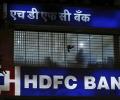
HDFC Bank shares plummeted over 5 per cent, wiping out Rs 64,685 crore from its market valuation, after its June quarter earnings disappointed investors, particularly on the net interest margin (NIM) front.

Indian benchmark indices, Sensex and Nifty, closed lower due to significant selling in HDFC Bank and Axis Bank shares, driven by margin-related concerns and escalating US-Iran tensions, which also pushed crude oil prices higher.
Indian benchmark indices Sensex and Nifty saw a significant rebound in early trade, driven by a sharp decline in crude oil prices and easing geopolitical tensions in the West Asia, which improved market sentiment and reduced inflation fears. Track Sensex, Nifty on July 27.
Indian benchmark indices Sensex and Nifty ended flat on Tuesday, with the Sensex dipping nearly 70 points, as investor sentiment turned cautious ahead of crucial global central bank policy meetings and a significant sell-off in Asian markets.

Indian benchmark indices Sensex and Nifty experienced a significant slump in early trade, driven by escalating tensions in West Asia and a sharp rise in crude oil prices, alongside a bearish trend in other Asian markets.

Indian benchmark indices, Sensex and Nifty, experienced declines in early trade due to a surge in crude oil prices and significant selling pressure on bank stocks, impacting overall investor sentiment. Track Sensex, Nifty on July 22.

Liquidity stress in smallcap funds has fallen to its lowest level since February 2024, with the average time to liquidate 50% of portfolios dropping to 27 days in June from a peak of 44.2 days in January 2026, driven by a sharp recovery in smallcap stocks and increased trading volumes.

Indian benchmark indices, Sensex and Nifty, extended their losses for a second consecutive day, primarily due to HDFC Bank's disappointing quarterly earnings and escalating tensions in West Asia, coupled with persistent foreign fund outflows.
Indian benchmark indices Sensex and Nifty extended their losses for the fourth consecutive session, with the Sensex declining 363.66 points and the Nifty dipping 126.65 points, primarily due to a sharp jump in Brent crude oil prices to USD 98.32 per barrel amid escalating tensions in West Asia.
Indian benchmark indices, Sensex and Nifty, experienced a significant downturn as escalating tensions in West Asia led to a sharp surge in crude oil prices, coupled with fresh foreign fund outflows and a weakening rupee.

Indian benchmark indices Sensex and Nifty experienced a significant decline in early trade, with the Sensex falling over 500 points and the Nifty over 150 points, as Brent crude oil prices surged past USD 100 per barrel due to escalating geopolitical tensions in the West Asia. track sensex, Nifty on July 24.
Indian benchmark indices, Sensex and Nifty, experienced declines in early trade due to a significant surge in crude oil prices, exacerbated by escalating tensions in the West Asia. Track how Sensex, Nifty fared on July 23.

Foreign investors have largely been exiting one part of the market while domestic investors have been enthusiastically accumulating another, points out Debashis Basu.
Indian benchmark indices, Sensex and Nifty, recorded their fifth consecutive day of losses, driven by investor caution over rising oil prices due to West Asia tensions and renewed concerns regarding US trade tariffs.
Indian benchmark indices Sensex and Nifty tumbled nearly 1 per cent for the third consecutive day, driven by a sharp spike in crude oil prices and significant selling in bank stocks, with Brent crude jumping to USD 95.27 per barrel.

Indian benchmark indices Sensex and Nifty continued their upward trend for a second consecutive day, with the Sensex gaining over 800 points, driven by strong performances from heavyweights like Reliance Industries, ICICI Bank, and HDFC Bank, alongside positive cues from easing crude oil prices and robust IT sector earnings.
Indian benchmark indices Sensex and Nifty experienced a downturn in early trade, primarily influenced by a dip in HDFC Bank shares, persistent outflows from foreign funds, and escalating geopolitical tensions between the US and Iran. Track Sensex, Nifty performance.
