Within weeks of Lt Gen Ahmed Shuja Pasha's becoming head of Pakistan's top intelligence agency, ISI, in 2008, terrorist attacks in Mumbai seriously roiled already stressed US-Pakistani relations," Hayden wrote.
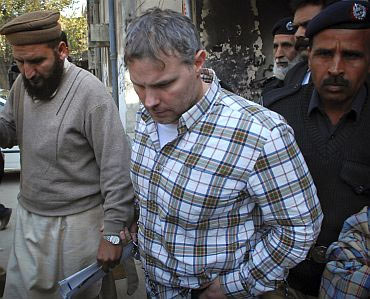
"Pasha, 59, has grown progressively more suspicious of US motives and staying power. The arrest of a US government contractor in Lahore has led to acrimony. And larger changes in Pakistan -- the growth of fundamentalism, nationalism and anti-Americanism -- have squeezed the space in which any ISI chief can cooperate with the US," he wrote.
Pasha, a Pakistani patriot and American partner, now must find these two roles even more difficult to reconcile -- and at a time when much of US counter-terrorism success depends on exactly that, Hayden concluded.
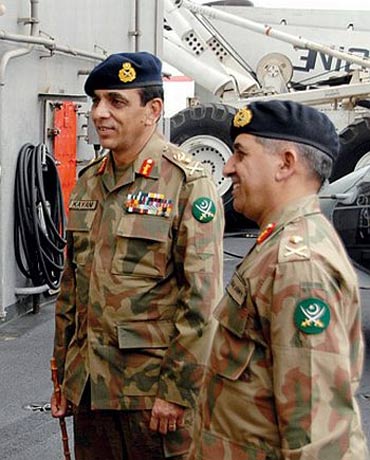
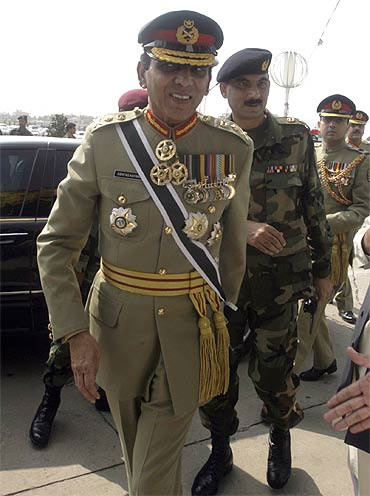
The ISI chief, a close confidant of powerful army chief Gen Ashfaq Parvez Kayani, was recently given his second one-year extension of service by the civilian government.
Time magazine's 2011 list also includes world leaders like Obama, Hillary Clinton, US Vice President Joe Biden and German Chancellor Angela Markel.
 © 2025 Rediff.com - Investor Information - Advertise with us - Disclaimer - Privacy Policy - Feedback - About us - Terms of use - Grievances