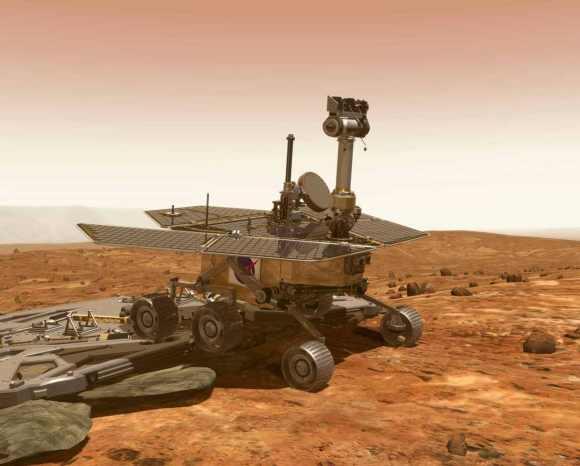
NASA's Mars rover Curiosity has sucked Martian air into its big Sample Analysis at Mars instrument to reveal the concentration of different gases.
This is the first time that the chemistry of the atmosphere has been tested from the surface of the planet since the Viking landers in the 1970s.
...
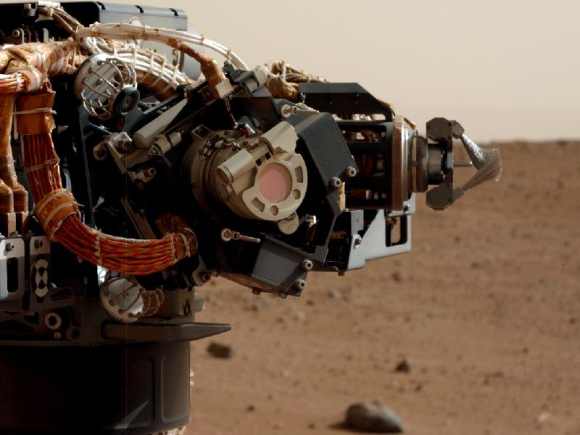
The Sam analysis will reveal whether Curiosity has detected a signal for methane.
The gas has recently been observed by satellite and by Earth telescopes, and its presence on the Red Planet is intriguing.
Methane should be short-lived and its persistence suggests a replenishing source of some kind - either biological or geochemical.
It is hoped Sam can shed light on the issue.
According to Curiosity deputy principal scientist Joy Crisp, the results from this first test could be announced next week.
But she cautioned that it would be some time before definitive statements could be made about the status of methane on Mars.
"When Sam is at its best it can measure various parts per trillion of methane, and the expected amounts based on measurements taken from orbit around Mars and from Earth telescopes should be in the 10 to a few 10s of parts per billion," the BBC quoted her as telling to reporters.
"But it's so early in the use of Sam, which is a complicated instrument, and we have to sort through the data," she added.
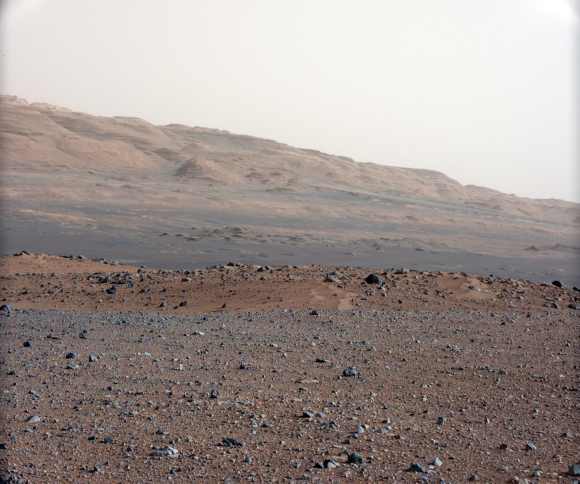
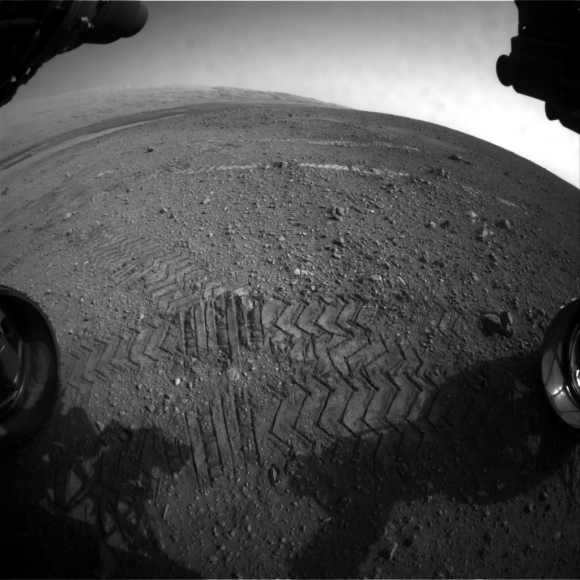
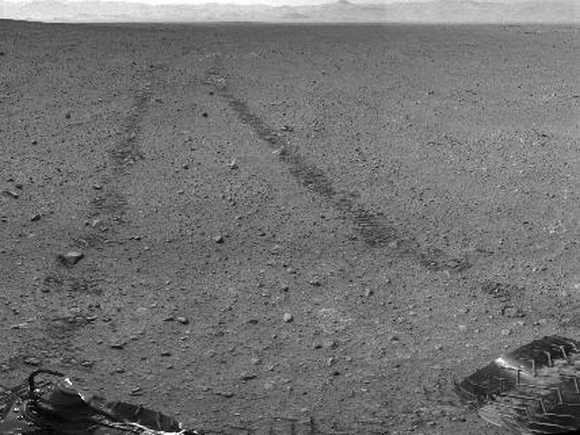
Curiosity -- also known as the Mars Science Laboratory, MSL -- has now driven more than 100m from the location on the floor of Gale Crater where it landed a month ago.
...
 © 2025 Rediff.com - Investor Information - Advertise with us - Disclaimer - Privacy Policy - Feedback - About us - Terms of use - Grievances