Did you know that cholesterol is only found in animal tissues? Or that a glass of red wine will increase good cholesterol levels? Here are some facts you should know.
You may think you know all there is to know about cholesterol, but these little nuggets may surprise you!
1. Your body produces about 85 percent of the total cholesterol it needs
Our bodies need cholesterol and so produce upto 85 percent of it, as cholesterol helps produce certain vitamins and hormones. However, many of us are told to reduce our levels because we consume more than we need in our daily diets.

Fruits and vegetables do not contain any cholesterol. It is found only in foods from animal sources, so be careful of your daily lean meat, fish and poultry portions. Higher amounts of cholesterol are found to occur in meat, egg yolks, dairy products and shellfish.

HDL cholesterol is called good cholesterol -- it assists in removing LDL or bad cholesterol from the arterial walls, so it can return to the liver for excretion. So the higher your HDL cholesterol levels, the better.

Controllable risk factors for developing heart disease include smoking, physical inactivity, being overweight, having diabetes, high blood pressure and high cholesterol levels.

If you think that you don't have a cholesterol problem just because you're rarely sick, or exercise on a regular basis, think again.
Many factors determine your cholesterol levels like weight, age, gender, family history and chronic stress, to name a few. The World Health Organisation (WHO) states that a bad lifestyle and stress are increasing the risk of heart disease.
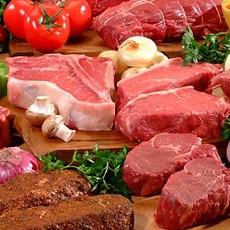
Junk food is mostly rich in saturated fat -- fatty cuts of meat, poultry with skin, whole milk dairy products, lard and coconut and palm oilsall contain plenty of saturated fat, which elevates cholesterol levels.
So balance a high-fat meal with colorful salads, fruits or fruit smoothies.
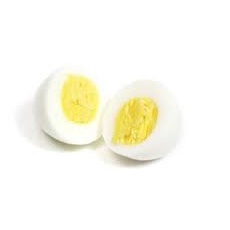
Limit your dietary intake of eggs. They contain cholesterol so the American Heart Association recommends eating upto four eggs per week. People with high cholesterol or heart disease should limit their intake of eggs to two per week.

Research has shown that atherosclerosis -- the narrowing of the arteries that leads to heart attacks -- can start as early as age eight, especially for overweight or obese children.
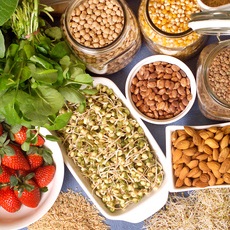
Being overweight is just one of the contributing factors for high cholesterol levels. Exercising to reduce weight and eating a balanced diet helps protect your heart.
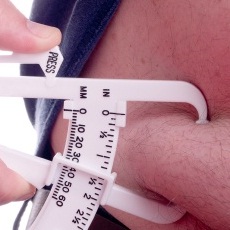
When it comes to testing your cardiovascular fitness, don't go by cholesterol levels -- elevated triglycerides (blood fats made in the liver from excess carbs) are a better, more reliable predictor of heart disease.

Some carbohydrates are stored as glycogen, but excess carbs are converted into saturated fat by the liver. Triglycerides are fats circulating in blood made by the body and they increase the risk of heart disease.
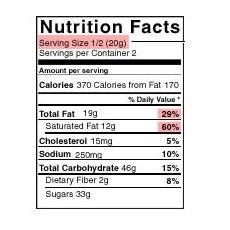
A lot of packaged foods may be low in cholesterol but high in saturated fats, which in high amounts increase the risk of both cholesterol and heart disease. Check the label for total fat content and what kind of fats a food contains.

If your cholesterol levels are high, consult a medical expert for ways to lowering them. Diet modifications, increased physical activity and weightloss help in reducing cholesterol levels significantly.

Studies state that moderate amounts of red wine will increase HDL or good cholesterol. But red wine with a high-fat diet may increase triglycerides, that may in turn increase risk of heart disease.
So remember, moderation is the key.
 © 2025 Rediff.com - Investor Information - Advertise with us - Disclaimer - Privacy Policy - Feedback - About us - Terms of use - Grievances