

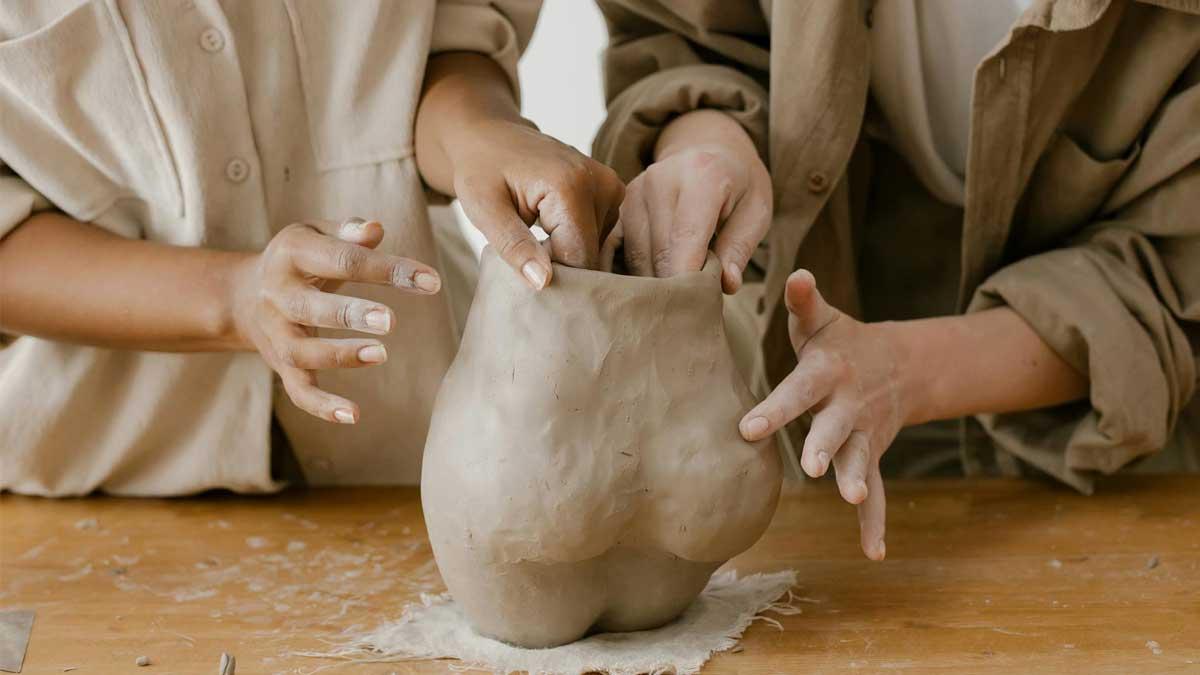
Travellers are keen to explore traditional Indian arts and crafts like Madhubani painting in Bihar, pottery and weaving workshops in Rajasthan, or Kathakali and Kalaripayattu training in Kerala.
Indian travellers are now seeking skill-based, learning-led holidays driven by their aim to add meaning to their trips.
This has prompted travel operators to offer customised packages to travellers to mix and add leisure travel with coursework.
According to Cox and Kings, this segment is expected to grow annually by 15 to 20 per cent over the next three to five years. These types of trips generally range from 10 to 12 days to over a month.
Learning-led tourism is still a niche segment, but travel companies like EaseMyTrip and Cox and Kings have increasingly seen travellers seeking learning-based tourism in 2025.
On the other hand, Thomas Cook and SOTC Travel have noticed this segment picking up after the pandemic.
While some travel companies have specialised packages, most of these types of tours are for customers to customise according to their needs.
"We've seen families booking cultural immersion trips in Europe, professionals combining holidays with short executive courses, and even retirees opting for heritage workshops," said Karan Agarwal, director, Cox and Kings.
"This trend aligns with the global rise of edutourism or travel with an educational purpose," Agarwal added.
According to Thomas Cook, some popular courses include certification courses at prestigious institutions like Le Cordon Bleu in Paris approximately costing Rs 3 lakh for six nights.
Certified scuba diving and surfing programmes take place in destinations like the Andamans, Maldives, Malaysia (costing Rs 80,000 to Rs 150,000 for seven nights), and Sri Lanka, and sushi-making workshops are held with local Japanese chefs.
SOTC Travel has noticed demand for reindeer driving licences in Finland, private archery lessons in Scotland (costing Rs 400,000 for 5 days and 4 nights, including castle stay and business class flights), watchmaking workshops in Switzerland (costing about Rs 350,000 to Rs 400,000 for five nights) and glass-blowing classes in Italy.
At the same time, there is strong interest for perfume-making workshops in Paris and Singapore, wine and whisky tastings in Scotland and Korean wave beauty sessions or workshops in South Korea.
Domestically, travellers are opting for Indian heritage and wellness learning experiences, with yoga emerging as one of the most prominent lessons in Rishikesh.
According to Rikant Pittie, CEO and co-founder, EaseMyTrip, places like Varanasi, Rishikesh, Rajasthan, Kerala, and tribal regions in North East India are attracting visitors seeking traditional wisdom, craft knowledge, and deep cultural immersion.
Moreover, Agarwal added that travellers are keen to explore traditional Indian arts and crafts such as Madhubani painting in Bihar, pottery and weaving workshops in Rajasthan, or Kathakali and Kalaripayattu training in Kerala.
"Today's travellers want to come back not just with photos, but with stories, achievements and even certifications," said S D Nandakumar, president and country head, holidays and corporate tours, SOTC Travel.
"We have seen strong interest in experiences like skiing lessons in Switzerland and France, bungee jumping and skydiving certifications in New Zealand, and the iconic Sydney Bridge Climb in Australia," Nandakumar added. "Amateur golfing holidays in Scotland and Mauritius also remain popular."
Rajeev Kale, president and country head, holidays, Meetings, Incentives, Conferences, and Exhibitions, Visa, Thomas Cook India, noted that Japan and South Korea are seeing heightened interest, with experiences such as manga and anime workshops, traditional art classes and deeper cultural immersions becoming highly sought after.
Agarwal added that students prefer language immersion and university-level summer programmes in the UK, France, and Germany.
Working professionals are drawn to executive education modules at prestigious institutions or niche certifications like wine appreciation in France or digital marketing courses in Singapore.
Meanwhile, Anil Kalsi, board member, Federation of Associations in Indian Tourism and Hospitality, noted that there is a growing demand for school group travel, combining learning with leisure for destinations like Nasa headquarters in the US and industrial tours in Japan and Korea.
Executives at companies also believe that with hybrid and other flexible work availability, more Indians are expected to travel longer and invest in personal growth while on holiday.
However, Ravi Gosain, president, Indian Association of Tour Operators, stated that education or learning trips are not a new trend.
Gosain added that it is common for surgeons, government officials, and corporate leaders to go abroad for conferences and short learning programmes.
To cater to this trend, Cox and Kings is offering themed itineraries through its Experiential Journeys portfolio, with further plans to include more learning-led holidays.
The company is actively developing partnerships with educational institutions abroad to offer structured yet flexible programmes.
Thomas Cook offers these types of tours as part of its FIT (flexible independent traveller) packages, which are made for individuals or small groups to customise their trips.
Similar to Cox and Kings, Thomas Cook is actively curating offerings that blend globally recognised programmes with culturally immersive experiences to cater to this evolving consumer need.
"To support the growing study tourism space," said Pittie, "one of our strategic moves in Q3FY25 was acquiring a majority stake in Planet Education Australia."
Learning on the go
- Travel operators now offering customised packages to travellers
- Trips range from 10 to 12 days to months
- The segment is expected to grow 15% to 20% over next 3 to 5 years
- Courses vary from certification, prestigious institutions to food workshops
- Domestically, travellers opting for Indian heritage and wellness learning experiences
Feature Presentation: Ashish Narsale/Rediff











 © 2026