

'Sleep is when your blood pressure falls; this nocturnal dip is when the heart gets rest.'
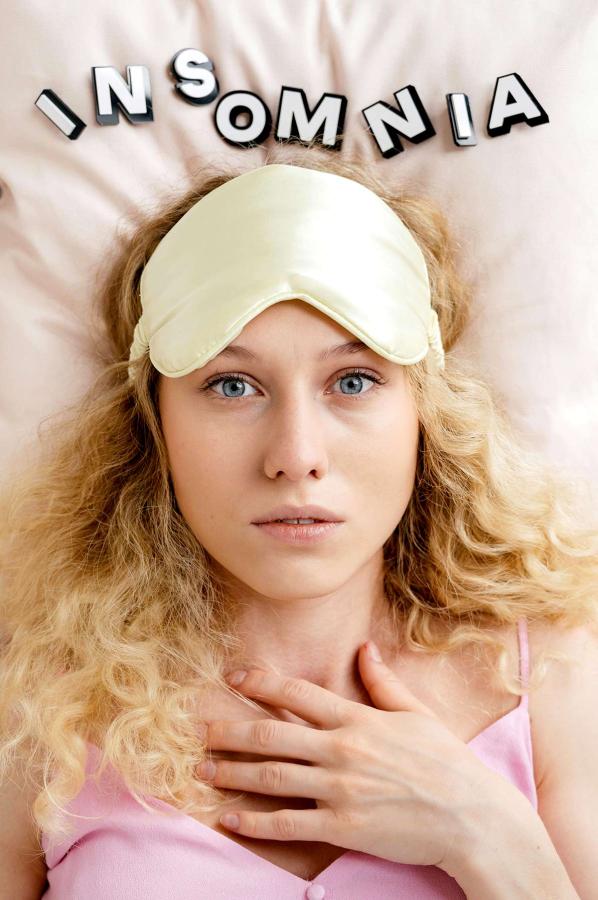
Mujhe neend na aaye is no longer just a romantic complaint voiced by Madhuri Dixit in Dil, her blockbuster film with Aamir Khan. Today, it's the lament of a populace stretched to the limit because of work stress, lifestyle strain and an addiction to social media reels; as a result, slipping into the land of Nod at night seems like a near-impossible dream.
Sleeplessness is the new pandemic. Even if you are tired, you are unable to sleep.
Insomnia cuts a swathe through people across all stages of life and economic strata. Millennial Akash Pawar reveals that he frequently suffered from insomnia a few years ago. He analyses its cause as a maelstrom of "strong emotions".
The youngster says, "I would be kept awake mostly by feelings of anger or guilt. Sometimes, even happiness and inspiring thoughts gave me a sensation of being fully charged and I would be unable to sleep."
"I would spend the entire night reading or watching TV or doing some spiritual chanting to help me calm down. I tried various remedies including sleeping pills but the results were not satisfactory.'
When Akash realised his insomnia had started affecting his productivity, he took a proactive stand.
"I went for counselling and was on medication for over four years. Once I became aware of how lack of sleep was affecting my mind and psychology, I made conscious efforts to change it. While I have sustained that effort, I have a few occasional nights when I just don't fall sleep even now."
While the 'You snooze you lose' philosophy of today's highly competitive atmosphere may push youngsters towards counterproductive habits, the issue transcends age.
Gung-ho at night, groggy in the morning
Sixty-year-old Ramesh Ahuja* too finds it difficult to quieten his overactive mind at night. Sleeping tablets work only at times. When he finds himself unable to sleep, Ramesh seeks distractions.
"I binge-watch episodes on streaming services or switch to reruns of TV music shows till I finally get sleep," he says, "sometimes in the wee hours of the morning."
His topsy-turvy sleeping hours has affected Ramesh's meal timings too. "I feel ravenous at night and have ended up becoming something of a chef. I make myself a chilla or an omelette at 3 am, much to the chagrin of my wife who is greeted by a messy kitchen in the morning," he smiles ruefully.
He harks back wistfully at his "more disciplined" teenage years. "My dad would strictly enforce a 10 pm curfew and I would gaze at the moon from my window and fall asleep within minutes. Compare that with today when I feel so groggy from lack of sleep that my doctor has prescribed a tablet to keep me alert during the day."
Sound sleepers share their secrets
On the other hand, army wife and educator Shobhna Mehta has no problem falling asleep at night. When asked the reason, she reveals, "I tire myself so much throughout the day that I get eight hours sleep at night. When I was teaching, I would be on my feet for seven to eight hours. I always get up by 7 am even if I have slept late because of a party. So, at night, I doze off even if my husband is watching TV."
Her husband, retired army officer Pratul Mehta, says he can sleep anywhere. "I have slept in the open in the deserts of Rajasthan when it was 48 degrees. Dhol bajne do, I can still sleep. My philosophy is: Jab mile tab so lo, you never know when you will get the chance next. I have even stayed awake for four days because of work."
Working the night shift
Sometimes, the nocturnal nature of certain jobs upsets sleep patterns which are then difficult to course correct.
"My lifestyle has been completely moulded in accordance with the demands of my profession," avers Pradeep Punjabi. "My regular sleep schedule changed once I started handling interiors of airline offices at the airport. I would often work late nights, sometimes for 72 hours at a stretch. And I would guzzle 60 soft drinks a day because, as a pure vegetarian, I would avoid eating at the airport."
A health scare put the brakes on Pradeep's lifestyle.
"I always had blood pressure but then I had to undergo CABG -- coronary artery bypass grafting -- because I was breathless. When I developed a problem with my eyesight, I wound up my business."
Pradeep, however, is still unable to let go of his deeply entrenched sleep schedule. He continues to stay awake till the early hours of the morning. Though his late nights worry Pradeep's family, he doesn't have a problem with it.
"I enjoy the night's solitude. Since it is quiet, I make the optimal usage of that time. I surf the net and soak in new information."
The doctor has the last word
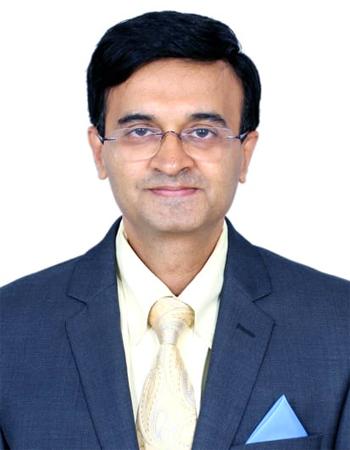 Photograph: Kind courtesy Dr Shantesh Kaushik
While a direct cause and effect link between insomnia and a particular health issue may not be instantly apparent, it tends to be a significant contributing factor. Cardiothoracic and vascular surgeon Dr Shantesh Kaushik, left, has witnessed the after-effects of lack of adequate sleep among many of his patients.
He points out, "Diabetes, heart failure and high blood pressure are all lifestyle diseases and lack of sleep is a major contributing factor. Insomnia is a cause of metabolic syndrome or, as it's called today, CKM (cardiovascular-kidney-metabolic syndrome); it increases the risk of diabetes, high blood pressure and damage to the brain, heart and kidney."
Adequate sleep has to be a basic part of all lifestyles, says Dr Kaushik. He also emphasises its importance during any exercise regimen. "All these young deaths people talk about... you may exercise but rest is the only time the body gets to replenish. Muscles have to heal."
"Unfortunately," he says, "the importance of sleep is under-rated. Many hypertension patients improve once they start sleeping adequately. Almost 20 per cent of hypertension is directly linked to improper sleep habits."
"Sleep is when your blood pressure falls; this nocturnal dip is when the heart gets rest."
Dr Kaushik deconstructs the causes of insomnia and suggests a road map for dealing with it.
"Ninety per cent of sleeplessness is lifestyle-based. One should follow sleep hygiene," he says. "The body is geared to the Circadian rhythm and, at sunset, sleep hormones naturally start kicking in over a period of three hours. But, nowadays, people don't see sunset or sunrise and the body gets confused."
"Ideally, you should be exposing yourself to the morning, afternoon and evening sun. Even five minutes helps regularise the body's Circadian rhythm.
"Secondly, we have to be strict about keeping at least a two-hour gap between eating and sleeping. When you don't, the body is still in the digestive mode. Your gastro-intestinal track is not only the fountainhead of immunity but also a major source of serotonin. If your gut health is not good, your serotonin and sleep pattern will also get disturbed.
"Ideally, one should have the last meal of the day at 7 pm, which is what the Jains and many in the west follow. Once the digestive mechanism has toned down, it gives the body time for rest. Though this is important, it's very difficult for people with today's lifestyle to manage that.
"You also need to keep in mind that sleep has two major components -- rapid eye movement (REM) sleep and non rapid eye movement (NREM) sleep. Both stages of sleep are important for overall health. The most relaxing part of the sleep cycle and the REM component are the last part of the sleep cycle -- early morning."
Sleep hygiene, the doctor emphasises, has to be followed to harness the full benefits of a good night's sleep.
"After 8 pm, try to reduce your light exposure, especially blue light. Don't have bright light in your bedroom. Avoid distractions like the TV and the phone. The sleep hormone, melatonin, gets released at sunset and gradually builds up so that you start feeling sleepy around 9 pm to 11 pm.'
"If you still require help to induce sleep, make sure you have moved enough during the day. When we barely do anything, our need for sleep also goes down. Also, consider practising Yoga Nidra and Shavasan. Start relaxing each part of the body, starting with the toes and then moving upwards," says Dr Kaushik.
The doctor candidly admits that, because of the demands of his profession, he too finds it difficult to follow sleep schedules. Yet, he tries to practise what he preaches.
"I used to come back from work at 1 am but I now try to have dinner before 10 pm. I am achieving this target 90 per cent of the time. Ideally, I should be having my dinner by 9 pm and sleeping by 11 pm."
*Name changed on request










 © 2026