When it comes to steel production, some countries have a clear lead. Let's take a look at the biggest producers of steel, including India, in the world.
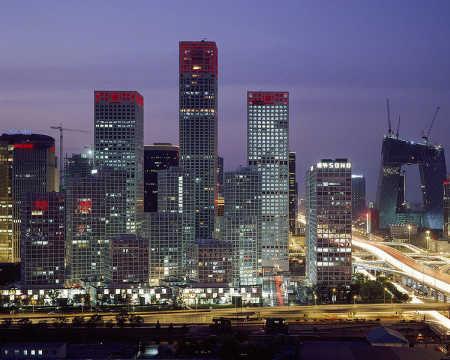
China
Steel production (2011): 683.3 million tonnes
Steel is an alloy that consists mostly of iron and has a carbon content between 0.2 per cent and 2.1 per cent by weight, depending on the grade.
Carbon is the most common alloying material for iron, but various other alloying elements are used, such as manganese, chromium, vanadium, and tungsten.
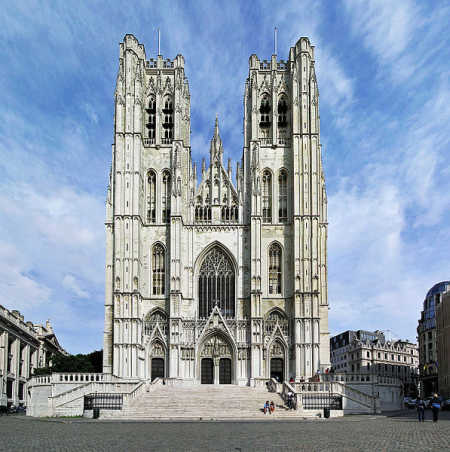
European Union
Steel production (2011): 177.4 million tonnes
Carbon and other elements act as a hardening agent, preventing dislocations in the iron atom crystal lattice from sliding past one another.
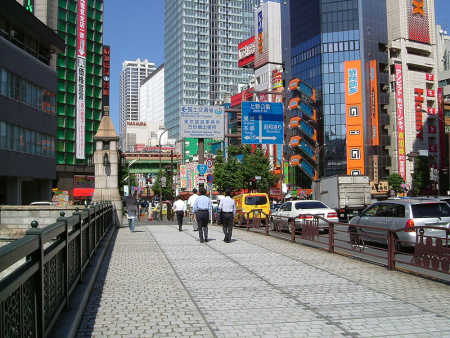
Japan
Steel production (2011): 107.6 million tonnes
Varying the amount of alloying elements and the form of their presence in the steel (solute elements, precipitated phase) controls qualities such as the hardness, ductility, and tensile strength of the resulting steel.

The Unites States
Steel production (2011): 86.2 million tonnes
Steel with increased carbon content can be made harder and stronger than iron, but such steel is also less ductile than iron.

India
Steel production (2011): 72.2 million tonnes
Alloys with a higher than 2.1 per cent carbon content are known as cast iron because of their lower melting point and good castability.
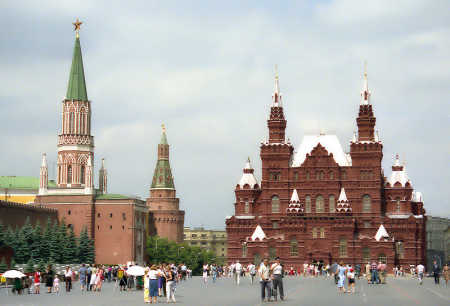
Russia
Steel production (2011): 68.7 million tonnes
Steel is also distinguishable from wrought iron, which can contain a small amount of carbon, but it is included in the form of slag inclusions.
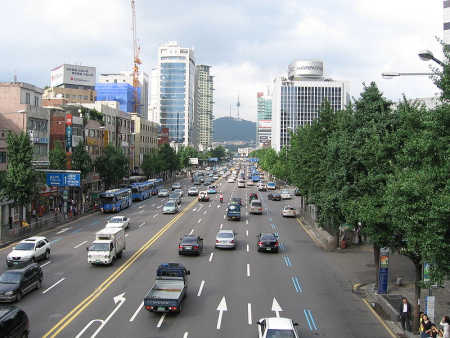
South Korea
Steel production (2011): 68.5 million tonnes
Two distinguishing factors are steel's increased rust resistance and better weldability.

Germany
Steel production (2011): 44.3 million tonnes
Though steel had been produced by various inefficient methods long before the Renaissance, its use became more common after more-efficient production methods were devised in the 17th century.
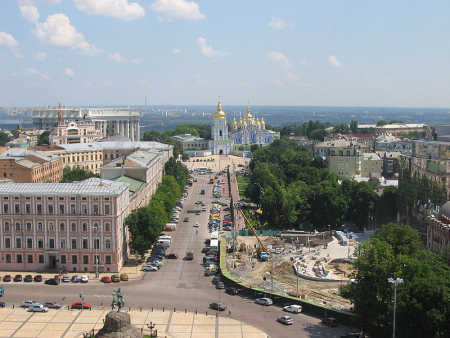
Ukraine
Steel production (2011): 35.3 million tonnes
With the invention of the Bessemer process in the mid-19th century, steel became an inexpensive mass-produced material.
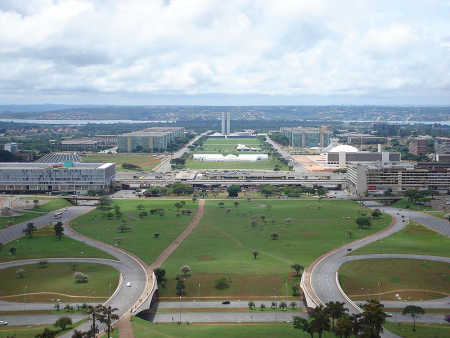
Brazil
Steel production (2011): 35.2 million tonnes
Today, steel is one of the most common materials in the world, with more than 1.3 billion tons produced annually.
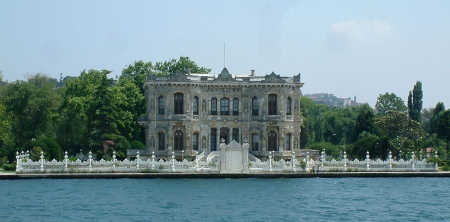
Turkey
Steel production (2011): 34.1 million tonnes
It is a major component in buildings, infrastructure, tools, ships, automobiles, machines, appliances and weapons.

Italy
Steel production (2011): 28.7 million tonnes
Modern steel is generally identified by various grades defined by assorted standards organisations.
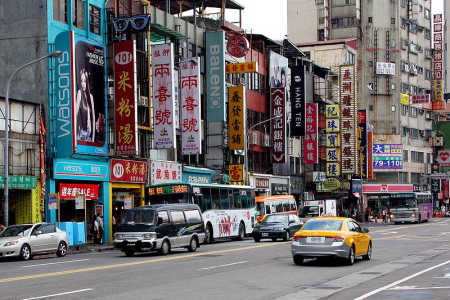
Taiwan
Steel production (2011): 22.7 million tonnes
It is common today to talk about "the iron and steel industry" as if it were a single entity, but historically they were separate products.
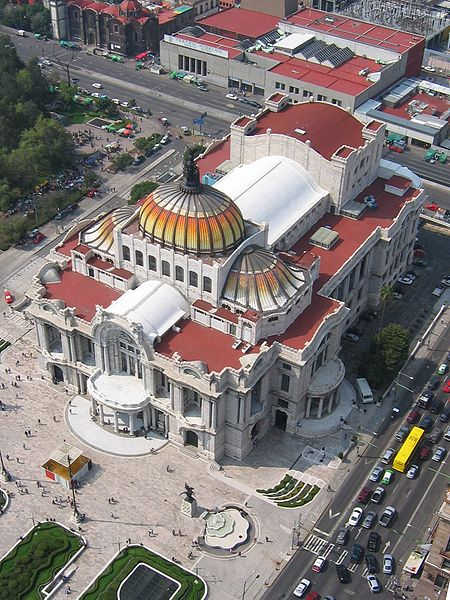
Mexico
Steel production (2011): 18.1 million tonnes
The steel industry is often considered to be an indicator of economic progress, because of the critical role played by steel in infrastructural and overall economic development.
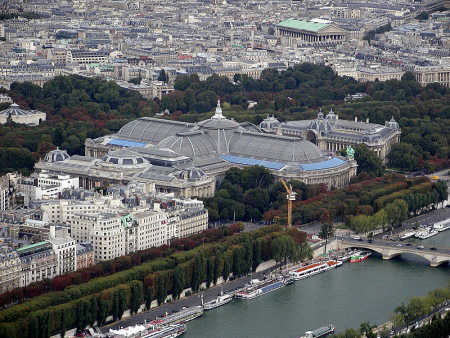
France
Steel production (2011): 15.8 million tonnes
The economic boom in China and India has caused a massive increase in the demand for steel in recent years.
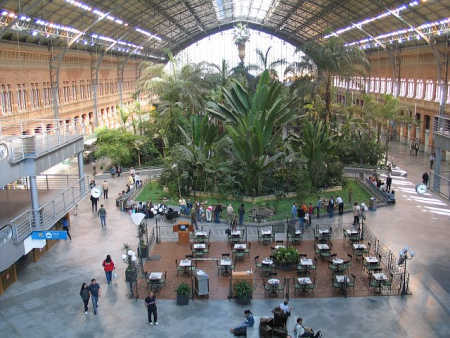
Spain
Steel production (2011): 15.6 million tonnes
Between 2000 and 2005, world steel demand increased by six per cent. Since 2000, several Indian and Chinese steel firms have risen to prominence like Tata Steel (which bought Corus Group in 2007), Shanghai Baosteel Group Corporation and Shagang Group.
ArcelorMittal is, however, the world's largest steel producer.
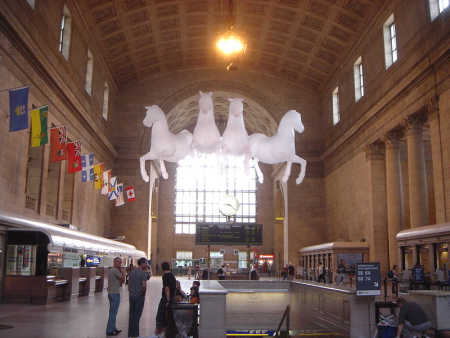
Canada
Steel production (2011): 13.1 million tonnes
In 2008, steel began trading as a commodity on the London Metal Exchange. At the end of 2008, the steel industry faced a sharp downturn that led to many cut-backs.
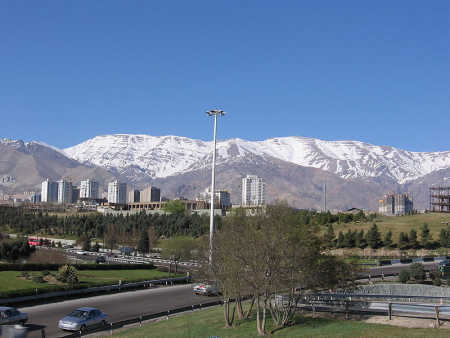
Iran
Steel production (2011): 13.0 million tonnes
Modern steels are made with varying combinations of alloy metals to fulfill many purposes.
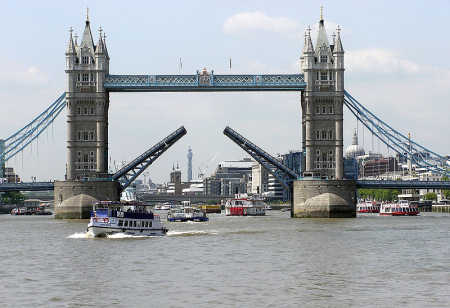
The United Kingdom
Steel production (2011): 9.5 million tonnes
Though not an alloy, galvanized steel is a commonly used variety of steel which has been hot-dipped or electroplated in zinc for protection against rust.
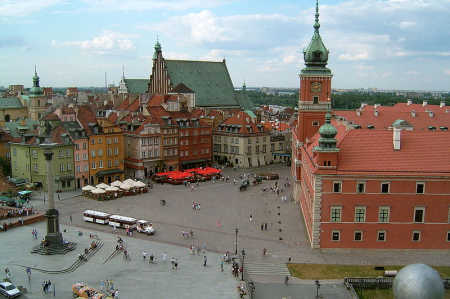
Poland
Steel production (2011): 8.8 million tonnes
Iron and steel are used widely in the construction of roads, railways, other infrastructure, appliances and buildings.
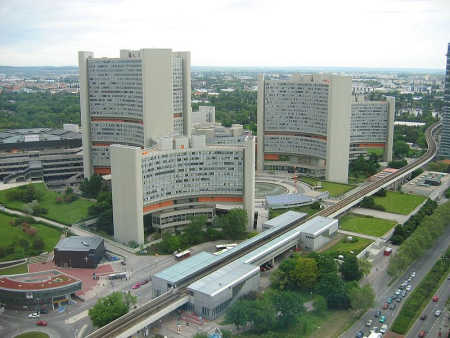
Austria
Steel production (2011): 8.1 million tonnes
Most large modern structures, such as stadiums and skyscrapers, bridges, and airports, are supported by a steel skeleton.
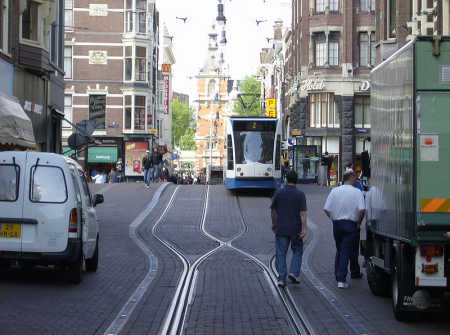
The Netherlands
Steel production (2011): 6.9 million tonnes
Even those with a concrete structure will employ steel for reinforcing.
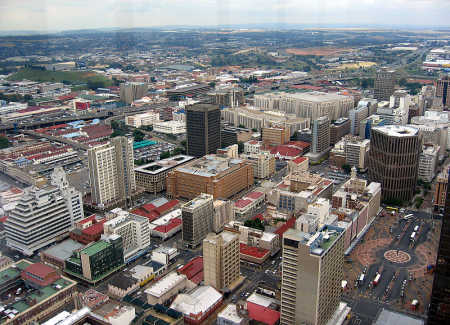
South Africa
Steel production (2011): 6.7 million tonnes
In addition, it sees widespread use in major appliances and cars. Despite growth in usage of aluminium, it is still the main material for car bodies.
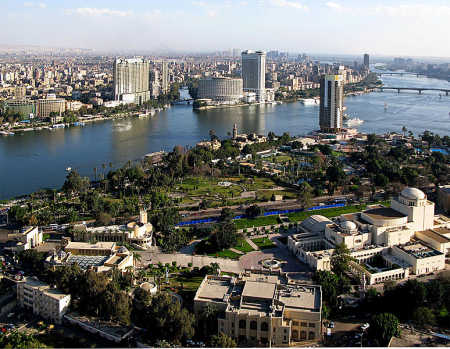
Egypt
Steel production (2011): 6.5 million tonnes
Steel is used in a variety of other construction materials, such as bolts, nails, and screws. Other common applications include shipbuilding, pipeline transport, mining, offshore construction, aerospace, etc.
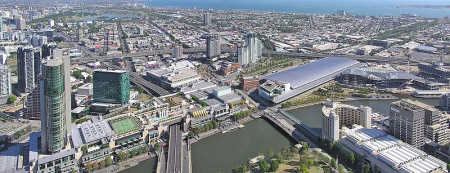
Australia
Steel production (2011): 6.4 million tonnes
Before the introduction of the Bessemer process and other modern production techniques, steel was expensive and was only used where no cheaper alternative existed, particularly for the cutting edge of knives, razors, swords, and other items where a hard, sharp edge was needed.
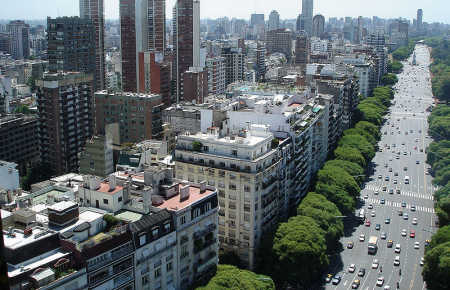
Argentina
Steel production (2011): 5.7 million tonnes
It was also used for springs, including those used in clocks and watches.
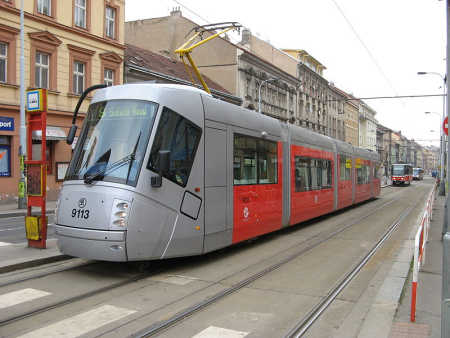
Czech Republic
Steel production (2011): 5.6 million tonnes
With the advent of speedier and thriftier production methods, steel has been easier to obtain and much cheaper.
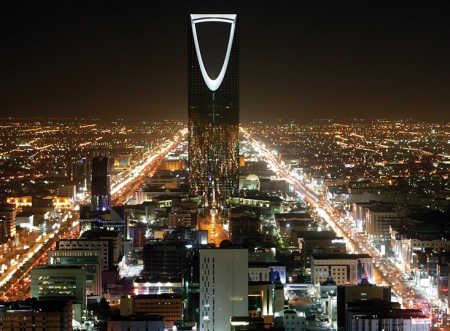
Saudi Arabia
Steel production (2011): 5.3 million tonnes
It has replaced wrought iron for a multitude of purposes.
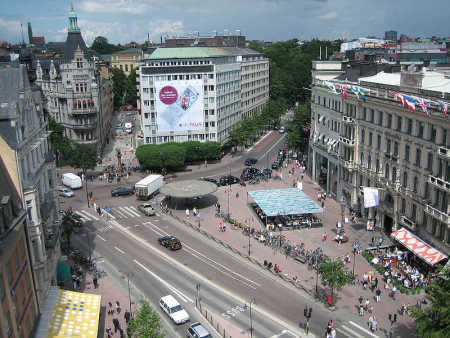
Sweden
Steel production (2011): 4.9 million tonnes
However, the availability of plastics in the latter part of the 20th century allowed these materials to replace steel in some applications due to their lower cost and weight.
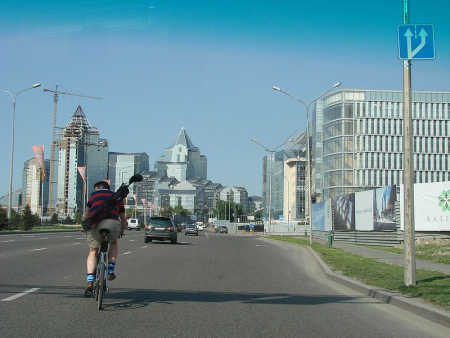
Kazakhstan
Steel production (2011): 4.7 million tonnes
Some more modern steels include tool steels, which are alloyed with large amounts of tungsten and cobalt or other elements to maximise solution hardening.
 © 2025 Rediff.com - Investor Information - Advertise with us - Disclaimer - Privacy Policy - Feedback - About us - Terms of use - Grievances