
'We strongly believe that anyone with capability and a strong work ethic should have a chance at the top job.'

RBI Governor Sanjay Malhotra stated that the central bank is closely monitoring whether the supply shock from the West Asia conflict will lead to a generalised price rise, potentially necessitating monetary policy action.

'If the war continue for a longer period of time, it is just a matter of time before the government will pass on some of the price increases.'

In the draft norms issued last month, the RBI said that the ultimate responsibility for the bank's performance, conduct and control rests with the Board

'We are staying away from making forward-looking statements on when we will reach 1 trillion, etc. But growth will be rapid; it's only a matter of time.'

Best in class asset quality, strong retail granularity, and a sustainable return ratio -- these are the things we will look at, says Yes Bank's new MD and CEO Vinay Tonse.

The Reserve Bank of India's 2024 norms for the voluntary conversion of Small Finance Banks (SFBs) into universal banks, particularly the subjective 'diversified loan portfolio' criterion, are proving to be a significant hurdle, with Ujjivan SFB and Jana SFB having their applications returned.

Reserve Bank of India (RBI) Governor Sanjay Malhotra stated that preventing second-round effects of supply shocks, where inflation expectations rise due to prolonged disruptions, is the primary role of monetary policy. He also defended the RBI's foreign exchange market interventions, asserting it did not commit to an 'indefensible peg'.

If Tata Sons is listed, the special veto rights of Tata Trusts, under Article 121A, may have to go away.

'When there is such an elaborate and a strong process, one would have expected anyone to either place the issues so that they can be addressed or go to the regulator and probably tell them rather than creating a kind of uncertainty for the stakeholders.

'During the bank's board meeting, many directors asked him if there is a governance issue but he said there is none.'

What is the reason behind this drying up of talent for the top post in private banks?

India's privatisation push, once projected as a cornerstone of economic reform, has suffered another setback, with the Centre set to call off the IDBI Bank stake sale, highlighting the political and structural constraints shaping the country's disinvestment policy, experts say.

'LIC will reduce but not fully exit its stake in IDBI Bank, which remains an important bancassurance partner,' says LIC of India' MD and CEO R Doraiswamy.

In a move aimed at curbing the mis-selling of financial products, the Reserve Bank of India (RBI) has proposed banning incentives paid to bank staffers by third parties such as insurance companies and mutual fund houses for selling their products and services. It has also proposed that banks must ensure their user interfaces do not deploy "dark patterns" to lure customers.
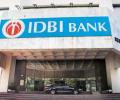
The government on Friday received financial bids for the strategic disinvestment of IDBI Bank, the Department of Investment and Public Asset Management (Dipam) said in an official statement on X.

'Global uncertainty is something which definitely occupies the minds of officials when we are preparing for the Budget.'

The Clearing Corporation of India (CCIL) will be able to reapply for recognition by the European Union's (EU) financial markets regulator following a pact signed on Tuesday between the Reserve Bank of India (RBI) and the European Securities and Markets Authority (Esma).

The Centre is considering amendments to the Recovery of Debt and Bankruptcy Act in the Budget to allow some Debt Recovery Tribunals to focus only on high-value cases.

'Economic activity appears to have peaked in the second quarter of FY26, with industrial output, exports, and business confidence all softening from October 2025.'
 © 2026 Rediff.com - Advertise with us - Disclaimer - Privacy Policy - Sitemap - Feedback - About us - Terms of use - Grievances