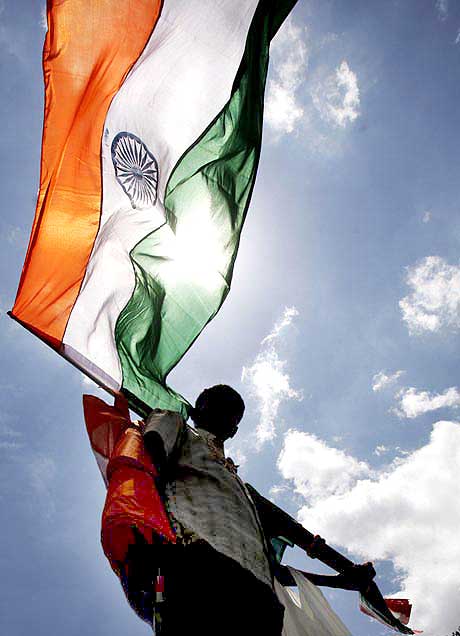
How has the Indian State, in principle and practice, given shape to the essential ingredients of the secular principle and composite culture?

Does the current electoral system encourage a politics defined by 'who you are' and 'where you live' rather than 'what you believe in' and 'what you want to achieve'? What can be done to address the grievance of under-representation and unequal access to political power emanating from the Muslims, asks Hamid Ansari
"(The civil servant) needs on his own account, and his master who trusts and expects him, to be mild where mildness is needed, to be understanding where judgement is needed, to be enterprising where enterprise is needed, to be hesitant where hesitation is needed.
 © 2026 Rediff.com - Advertise with us - Disclaimer - Privacy Policy - Sitemap - Feedback - About us - Terms of use - Grievances