
Scientists stress there is currently no evidence of human infections, or community spread linked to the virus.

'The innovators have been able to more or less stay where they are, in terms of revenue even as the generics are seeing exponential growth due to their affordability.'

'It is disappointing that a craft, which is protected by the Geographical Indication Tag, Polo Ralph Lauren has turned it into a cheap wrap skirt, that too, printed.'

The ongoing West Asia conflict is expected to severely impact the supply of affordable housing in India, as rising input costs further erode already thin developer margins. Fluctuations in crude oil and gas prices, coupled with higher freight costs, are driving up prices of essential construction materials like cement and steel, making new projects increasingly unviable for developers.

India's pharmaceutical industry is experiencing increased bulk drug prices, particularly for APIs from China, following the escalation of the West Asia crisis in March. While current inventories provide a temporary buffer, concerns are mounting over the availability of key solvents and feedstocks, potentially leading to manufacturing disruptions and shortages in specific drug categories.

Dr Reddy's Laboratories has received approval from Health Canada to sell a generic version of the diabetes drug semaglutide, making it the first company to get market authorisation for a generic semaglutide injection in Canada and the first in a G7 country.

Indian airports are rapidly becoming a significant growth avenue for the country's retail sector, with brands across various consumer segments actively opening stores to tap into the increasing number of flyers and strong domestic tourism momentum.

Increased input costs due to geopolitical conflict in West Asia and unseasonal rain in March negatively impacted volumes of consumer durables makers, particularly air conditioners, in Q4FY26, leading to projected declines in EBITDA and APAT despite revenue growth.

Indian realty developers are contemplating price increases for ongoing and upcoming projects to offset margin pressures caused by rising input costs and supply chain disruptions, exacerbated by the West Asia conflict. Input and labour costs have surged by 5-12%, directly impacting developer margins, especially for under-construction projects.
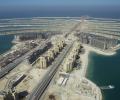
Ongoing geopolitical tensions in West Asia have slowed deal momentum in Dubai's luxury residential market, but Indian high-net-worth individuals (HNIs) are not exiting their marquee assets, with any 'discounted' resale deals attributed to investor liquidity stress rather than geopolitical flight.

Fast-moving consumer goods (FMCG) companies are closely monitoring crude oil prices and considering low single-digit price increases, while consumer durables firms have already begun passing on significant price hikes to consumers due to rising input costs exacerbated by the West Asia conflict.

Fast-moving consumer goods (FMCG) companies like Dabur India and Marico anticipate high single-digit growth in Q4FY26, driven by strong domestic demand in India, which is helping to offset the negative impact of geopolitical conflicts in West Asia on their international businesses.

As temperatures rise, travellers are increasingly gravitating towards cooler climates, driving demand for hill stations such as Mussoorie, Munnar, Varkala, Ooty and Kodaikanal.

The inauguration of Noida International Airport (NIA) is set to significantly increase property values in micro-markets along the Yamuna Expressway, with projections indicating a 28 per cent rise for plots and 22 per cent for apartments over the next two years, according to Colliers.

'Travellers are considering safer and more stable destinations.'

Inspections conducted across 49 entities including pharmacies, wholesalers, and clinics to detect violations and misleading marketing practices.

At the heart of this debate is Section 3(d) of the Patents Act, a safeguard designed to prevent drugmakers from extending monopoly protection through trivial modifications to existing medicines.

Escalating geopolitical tensions in West Asia are prompting investors with exposure to Dubai's real estate market to reassess their portfolios. And, in this rejig, India is emerging as a stable destination for capital investment and long-term growth.

While the introduction of branded generics is likely to accelerate volumes for GLP-1 agonists, value growth may moderate because of price erosion.

The outreach comes amid a drop in Indian student enrolments in management programmes at American universities last year, following changes to US student visa policies.
 © 2026 Rediff.com - Advertise with us - Disclaimer - Privacy Policy - Sitemap - Feedback - About us - Terms of use - Grievances