
India's pharmaceutical industry is experiencing increased bulk drug prices, particularly for APIs from China, following the escalation of the West Asia crisis in March. While current inventories provide a temporary buffer, concerns are mounting over the availability of key solvents and feedstocks, potentially leading to manufacturing disruptions and shortages in specific drug categories.

Kerala is facing an outbreak of Primary Amoebic Meningoencephalitis (PAM), a rare and deadly brain infection caused by the 'brain-eating amoeba' Naegleria fowleri. Health officials are working to raise awareness and improve diagnostic capabilities.

The board of directors of Novartis India has approved a proposal to sell the Rifampicin bulk drug business, together with its Mahad facility, to Sandoz for Rs 30.77 crore (Rs 307.7 million).

Children below the age of 15 years account for about 10 to 12 per cent of India's overall TB burden.
As per the statistics of the World Health Organisation, there are an estimated one lakh people in India who are suffering from XDR-TB that is resistant to the drugs like Isoniazid and Rifampicin used to treat multidrug-resistant TB besides being resistant to medicines used in second-line treatment of the bacterial disease.
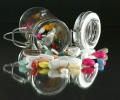
Currently, the govt directly caps prices of 348 formulations at the average price of all medicines in a particular segment with at least 1% market share
 © 2026 Rediff.com - Advertise with us - Disclaimer - Privacy Policy - Sitemap - Feedback - About us - Terms of use - Grievances