
The current monetary 'non-system' is the only way to deal with the turmoil in the world economy.

In August, the top BRICS leaders at the grouping's summit in Johannesburg approved a proposal to admit six countries, including Argentina, into the bloc with effect from January 1.

Brazil, China, India, Indonesia, South Korea and Russia will account for more than half of all global growth.
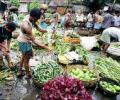
High food prices have pushed 44 million people into poverty since June.

While United States President Barack Obama is expected to announce trade deals worth $10 billion with India, Chinese President.Hu Jintao has already signed trade deals worth $20 billion with French President Nicholas Sarkozy during his visit to the European nation.France also sought China's help during the upcoming G20 summit that will be held from Seoul from November 13. The two leaders also reportedly discussed reforms in the international monetary system.

On gold buying occasions such as Akshaya Tritiya, Chiraj Mehta points out, investors are often confronted with the question: Should I make just a token purchase, or should I buy more towards building my allocation in the yellow metal?

BRICS has no plans to form a military and political alliance, Russian President Vladimir Putin said on Wednesday, in an apparent effort to allay apprehensions of the West.

The board meeting is likely to take place later in Shanghai.
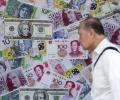
For several years the Chinese authorities have been taking steps to internationalise the use of the yuan.

Voices from the Treasury are clamouring for lowering rates as this would boost demand.
The plan of UID/Aadhaar-based surveillance does not end with the collection of fingerprints and iris scan, it goes quite beyond it and poses a lethal threat to the idea of India, says Gopal Krishna.

The announcement of the formation of the BRICS bank will have as much an impact about how the non-G7 countries manage their economies and their foreign reserves, as it does on the intellectual discourse. The development priorities and agenda which was hitherto set by western experts responding mostly to western priorities and notions will now have to compete with an intellectual tradition that is and can be very different, says Mohan Guruswamy.
 © 2026 Rediff.com - Advertise with us - Disclaimer - Privacy Policy - Sitemap - Feedback - About us - Terms of use - Grievances