
'We may rationalise that we say or do things to get those close to us on the right path.'
'The conversations could range from one's physical appearance to one's social standing or the choice of friends.'
'What we overlook is that we may cause someone deep pain while leaving them scarred for life,' notes Aarti David.
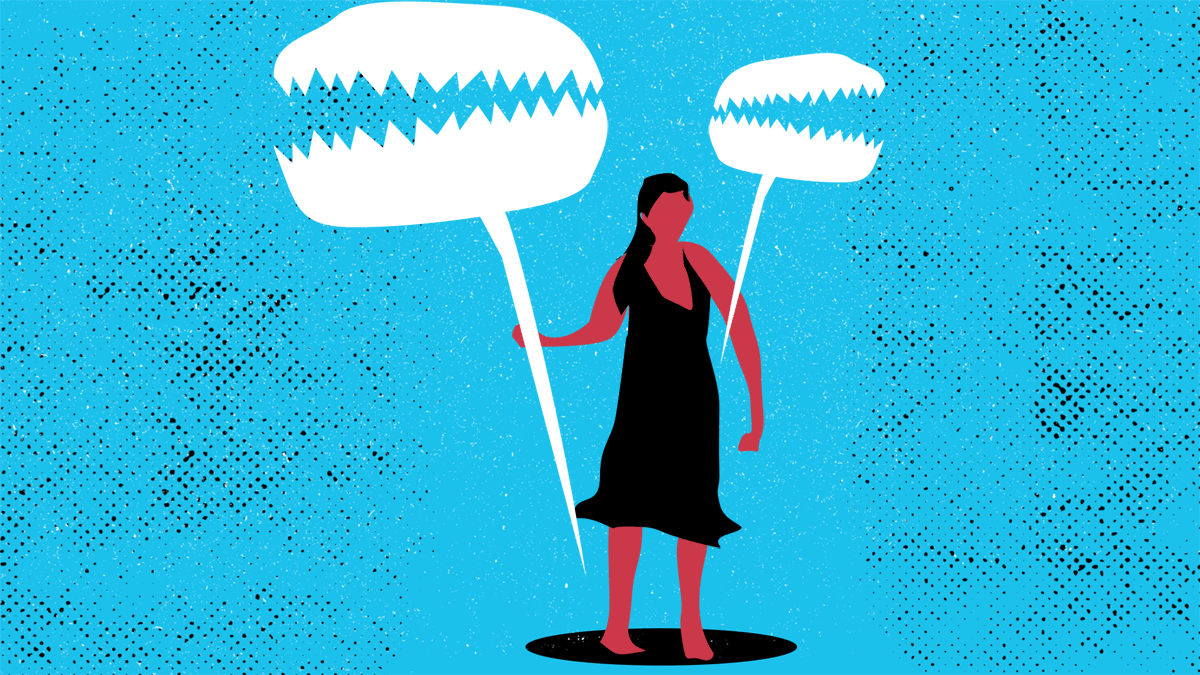
Do you ever pause before you say something to anyone in your life?
Do you wonder how your words might impact someone more deeply than you intended?
Do you agree that everyone is fighting a silent battle of their own?
And often, even when surrounded by people, only a few truly see us?
Whether we live with family or friends or on our own, we all have said things to others that we regret, or someone has said stuff to us that we didn't like.
Sometimes we wish we had spoken up, other times we wish we had stayed silent. Which would be better, I often wonder.
Emotions take over -- words once spoken are like piercing arrows; they cannot be retracted. Still, we keep saying things to others, hoping to somehow break through the walls, or so we believe.
In trying to share our opinion with someone we care for and love, we may inadvertently hurt others and ourselves too.
Because no interaction is one-sided, there are always two sides to the story: our version and theirs as well.
However hard we may try to ignore or dismiss it, the other perspective exists and matters too. This reality can never be denied.
I wish we would stop to realise how our words and actions may impact another individual, and that might help change perspectives.
Why we end up hurting those we love is certainly a mystery to me.
We may rationalise in our heads that we say or do things to get those close to us on the 'right path' or for them to see the light.
Because we love them and want what's best for them, it is upon us to guide and direct them.
The conversations could range from one's physical appearance -- facial features, skin colour, weight, height -- to one's social standing or the choice of friends.
What we overlook in the process is that we might end up being insensitive and cause someone deep pain while leaving them scarred for life. However well-intentioned, we can end up alienating them from us.
People can live under one roof and remain unaware of the scars they inflict, the damage they may have caused others, which may become irreparable.
The hurt may be buried, but the gap it creates can grow too wide to bridge. As the other person is unable to recover or cope with the trauma it caused them.
So many children and parents, siblings, and friends have such deep-rooted issues which remain unaddressed, as they are unable to discuss these openly or call out the toxic behaviour patterns.
And even if such issues are brought to attention, the aggrieved individual is often gaslighted for being too soft, over-reacting, misinterpreting or making a mountain out of a molehill.
As a result, estrangement happens, and years may pass without communication.
It may seem like an acceptable way of living, but beneath it lies regret.
The inability to forgive -- or to ask for forgiveness -- haunts us.
What is also true is that it is extremely tragic and sad to go through life feeling empty.
Sometimes it is well-meaning parents or relatives, in other cases, it could be close friends or children dealing with ageing parents.
These experiences can be very traumatic, and a lot of people need to seek help through counselling to deal with what they have been through or continue to be subjected to.
The subtle bashing, the offhand remarks, can become unbearable at times, yet we choose to ignore or overlook them.
Hoping to find a way to avoid the people who cause us this anguish and to meander through life somehow.
Oftentimes, the people who hurt us havelong passed, while some may continue to be a part of our day-to-day existence, but the resentment remains.
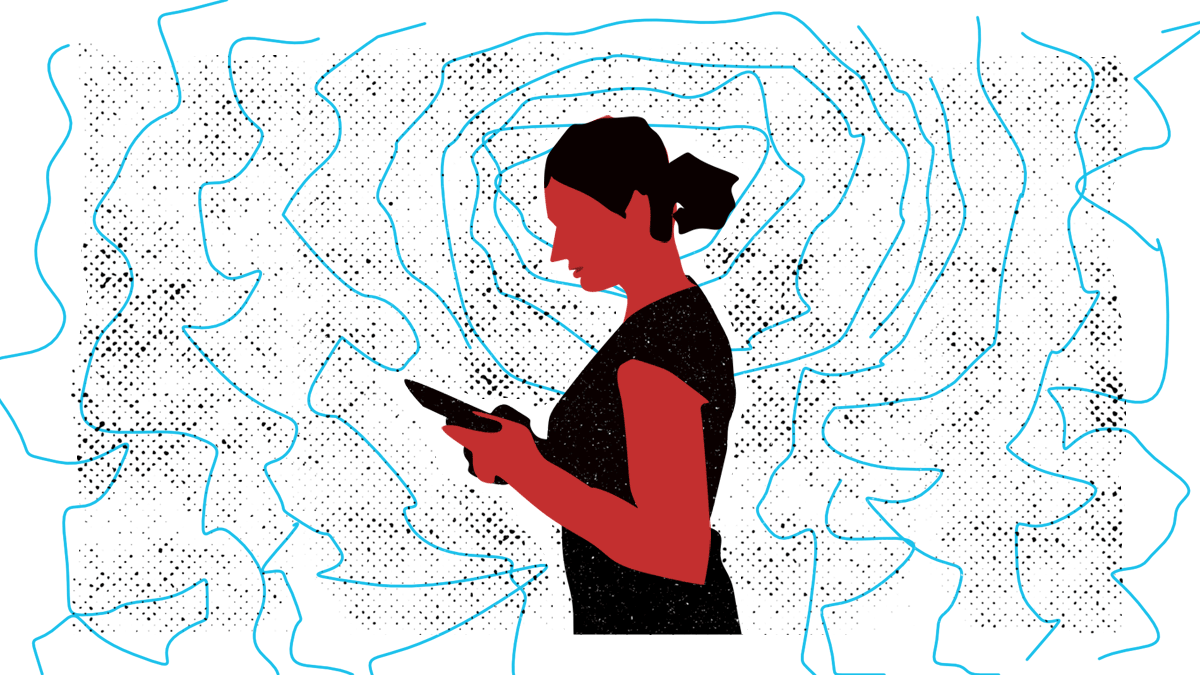
Our lived experiences shape our relationships outside of home as well.
People who have been treated unfairly tend to display the same behaviour with others they interact with or in their relationships.
Not everyone repeats the cycle, of course, but many do -- consciously or not.
I'm only saying that a large percentage is impacted in a way that makes them repeat what they have encountered.
A home and its people reflect the society we live in.
Human relationships are complex.
What constitutes a family unit is exclusive to that group of people, as it is their mini version of the world. And therefore, only they know what they have dealt with.
Yet, one truth holds across all: We must learn to respect boundaries.
Find it within us to learn to step back and pause when we can't control ourselves from speaking our minds, till we know that someone has solicited our opinion or advice.
Even if we feel responsible for others' welfare, restraint can sometimes be the greatest act of love.
In Buddhist philosophy, it is said that we should not begrudge others or ourselves.
What it means is that one shouldn't spend time blaming someone else for your situation or lamenting about one's circumstances.
A simple statement, one would imagine, but an extremely tough diktat to follow when you think of everyday life.
We are all opinionated and eager to thrust our thoughts and belief systems onto others, especially those close to us.
Having someone to blame feels easier than sitting with discomfort. But perhaps we need to let go.
Just because we have lived longer doesn't mean we know any better than others.
We all view life through a different lens, and every perspective needs to be acceptable.
The world is diverse for a reason, and why we all look different, too. Otherwise, we might all have been robots with a remote attached. But we don't.
These differences make us unique, as much as they make us complex.
Perhaps when we can demystify this, we will be able to simplify human relationships and find a way to reach out to one another in a more relatable and compassionate manner.
We don't need to bring anyone down to feel stronger, wiser, or more powerful.
Sometimes, the greatest strength lies in silence, in empathy, and in letting others be and accepting them for who or how they are in totality.
Perhaps respect for boundaries is the first step toward healing the complexity of human relationships.
Would you agree?
Feature Presentation: Ashish Narsale/Rediff










 © 2025