
A research company, TNS, has unveiled the results of the biggest global study into the attitudes and investment priorities of the affluent - painting a timely picture of wealth, post global recession.
Based on interviews with 12,000 people across 24 markets including China, Brazil and India, TNS's Global Affluent Investor study shows that the growth of developing economic powerhouses is already starting to impact personal fortunes, among households with more than $100,000 investable assets.
Fundamental social shifts are unearthed when examining the demographics of the world's affluent.
While they average 57 years old in North America and Northern Europe, this falls to the early 40s in Australia, Singapore and Hong Kong.
. . .

While men are the primary decision makers among affluent households in India (80 per cent) and Central Europe (79 per cent), the balance is spread far more evenly in North America (45 per cent).
TNS's findings also demonstrate regional contrasts in terms of what the affluent actually invest in.
While the Chinese, Indian and German affluent are keen investors in precious metals (cited by 35 per cent, 33 per cent and 23 per cent of respondents respectively), this falls to just three per cent in Sweden, Norway and the Netherlands, and two per cent in Denmark and Israel.
Click NEXT to see where India stands...

India
Affluent households: Three million
Incidence of affluent households: 1.25 per cent
Note: Affluent households defined as those with $100,000+ investable assets, except in Brazil where this figure is $40,000+
Click NEXT to see the rankings of other countries...

1. The United States
Affluent households: 31.4 million
Incidence of affluent households: 27 per cent
. . .

2. China
Affluent households: Three million
Incidence of affluent households: 0.75 per cent
. . .

3. The United Kingdom
Affluent households: 2.9 million
Incidence of affluent households: 11 per cent
. . .

4. France
Affluent households: 2.7 million
Incidence of affluent households: 10 per cent
. . .
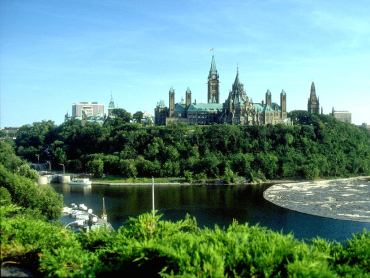
5. Canada
Affluent households: 2.6 million
Incidence of affluent households: 20 per cent
. . .
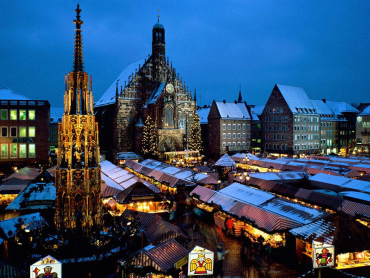
6. Germany
Affluent households: 2.5 million
Incidence of affluent households: 7 per cent
. . .

7. Italy
Affluent households: 2.5 million
Incidence of affluent households: 10 per cent
. . .
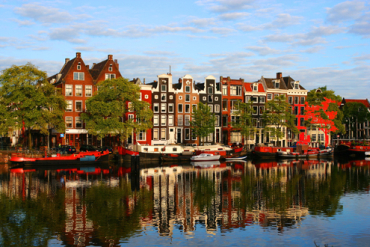
8. The Netherlands
Affluent households: 850,000
Incidence of affluent households: 12 per cent
. . .
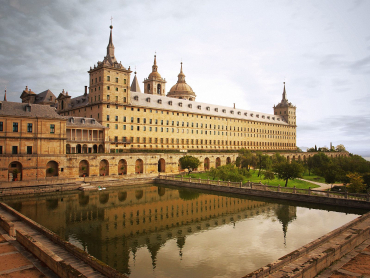
9. Spain
Affluent households: 800,000
Incidence of affluent households: 5 per cent
. . .
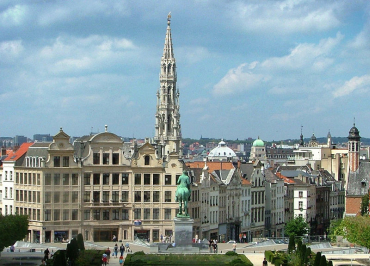
10. Belgium
Affluent households: 580,000
Incidence of affluent households: 13 per cent
. . .

11. Australia
Affluent households: 400,000
Incidence of affluent households: 5 per cent
. . .

12. Hong Kong
Affluent households: 350,000
Incidence of affluent households: 15 per cent
. . .
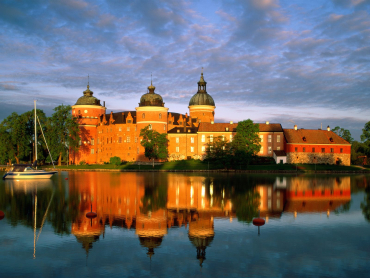
13. Sweden
Affluent households: 270,000
Incidence of affluent households: 7 per cent
. . .
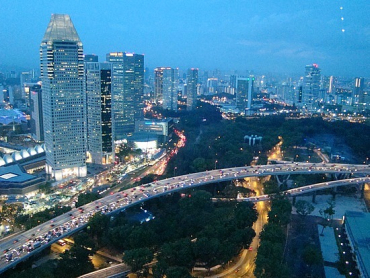
14. Singapore
Affluent households: 230,000
Incidence of affluent households: 20 per cent
. . .
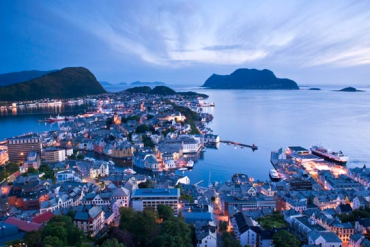
15. Norway
Affluent households: 230,000
Incidence of affluent households: 10 per cent
. . .
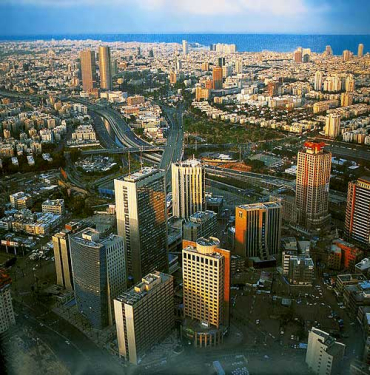
16. Israel
Affluent households: 200,000
Incidence of affluent households: 13 per cent
. . .
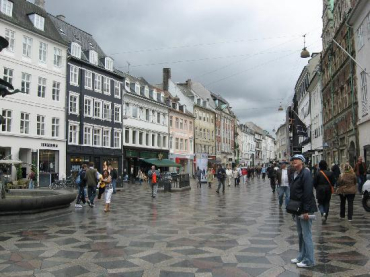
17. Denmark
Affluent households: 200,000
Incidence of affluent households: 8 per cent
. . .
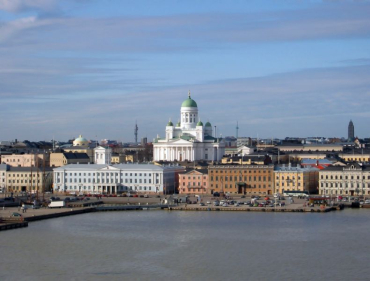
18. Finland
Affluent households: 180,000
Incidence of affluent households: 7 per cent
. . .
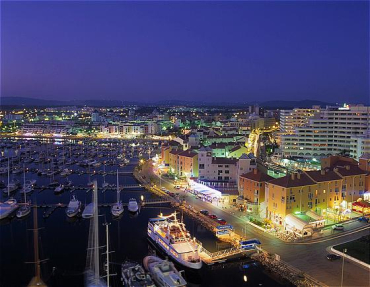
19. Portugal
Affluent households: 160,000
Incidence of affluent households: 4 per cent
. . .
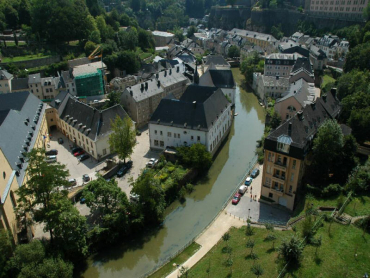
20. Luxemburg
Affluent households: 89,000
Incidence of affluent households: 29 per cent
. . .
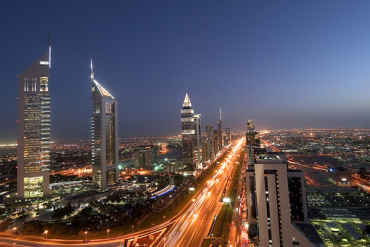
21. The UAE
Affluent households: 35,000
Incidence of affluent households: 3 per cent
. . .
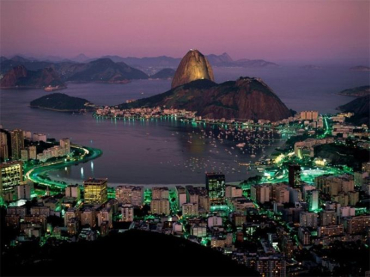
22. Brazil
Affluent households: Three million
Incidence of affluent households: 5 per cent
 © 2025 Rediff.com - Investor Information - Advertise with us - Disclaimer - Privacy Policy - Feedback - About us - Terms of use - Grievances