
'The government is actively engaging with EU to ensure that concerns of Indian companies and hard-to-abate sectors are adequately addressed under CBAM.'
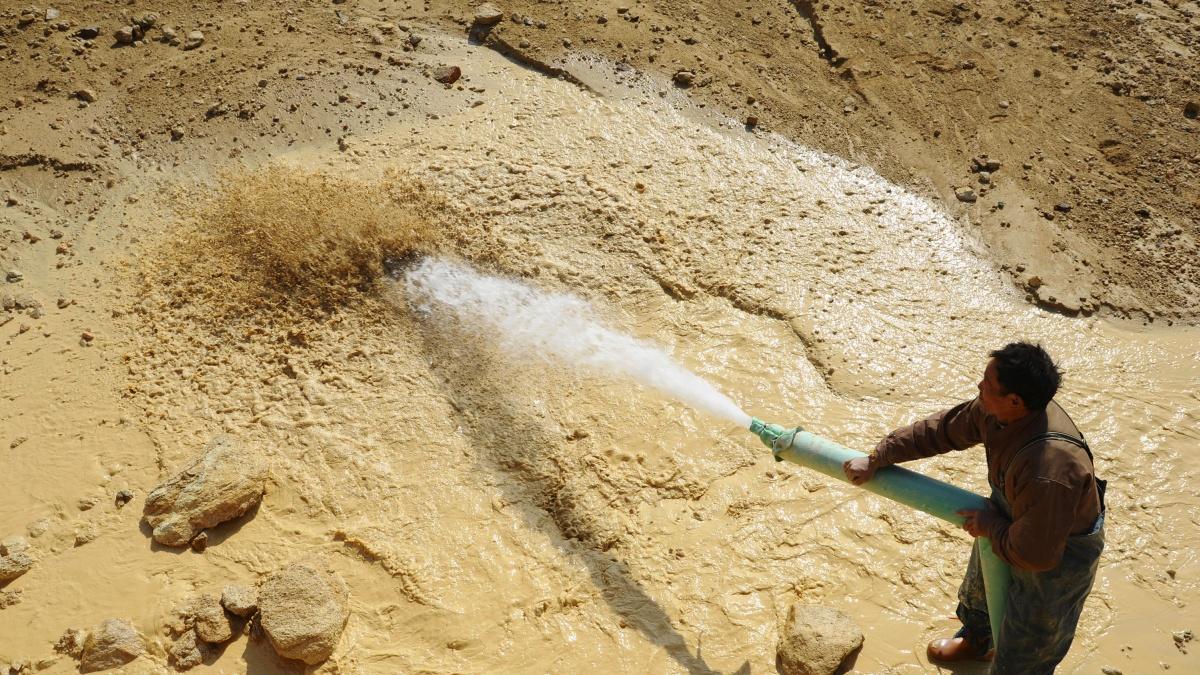
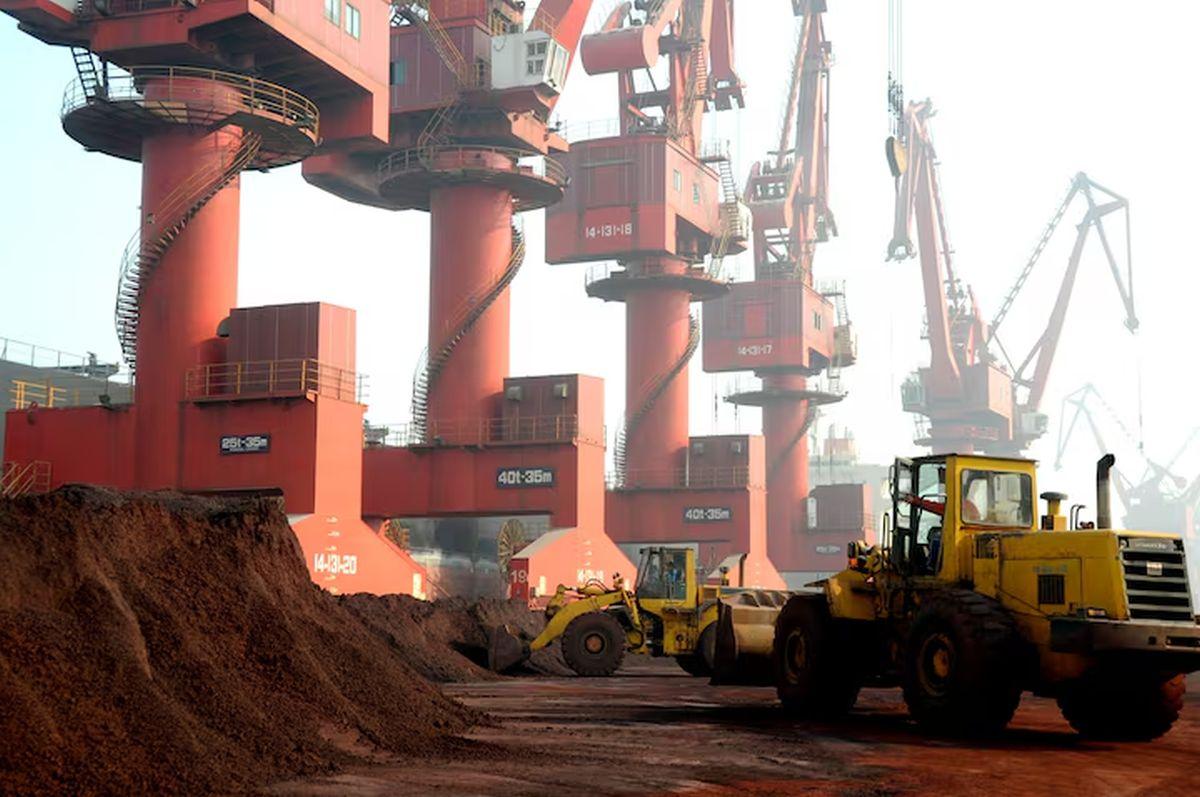
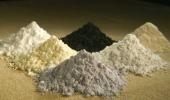
With nearly 40 end-user import certificates awaiting Chinese approval, India has been grappling with Beijing's restrictions on rare earth or permanent magnet exports since April 4.
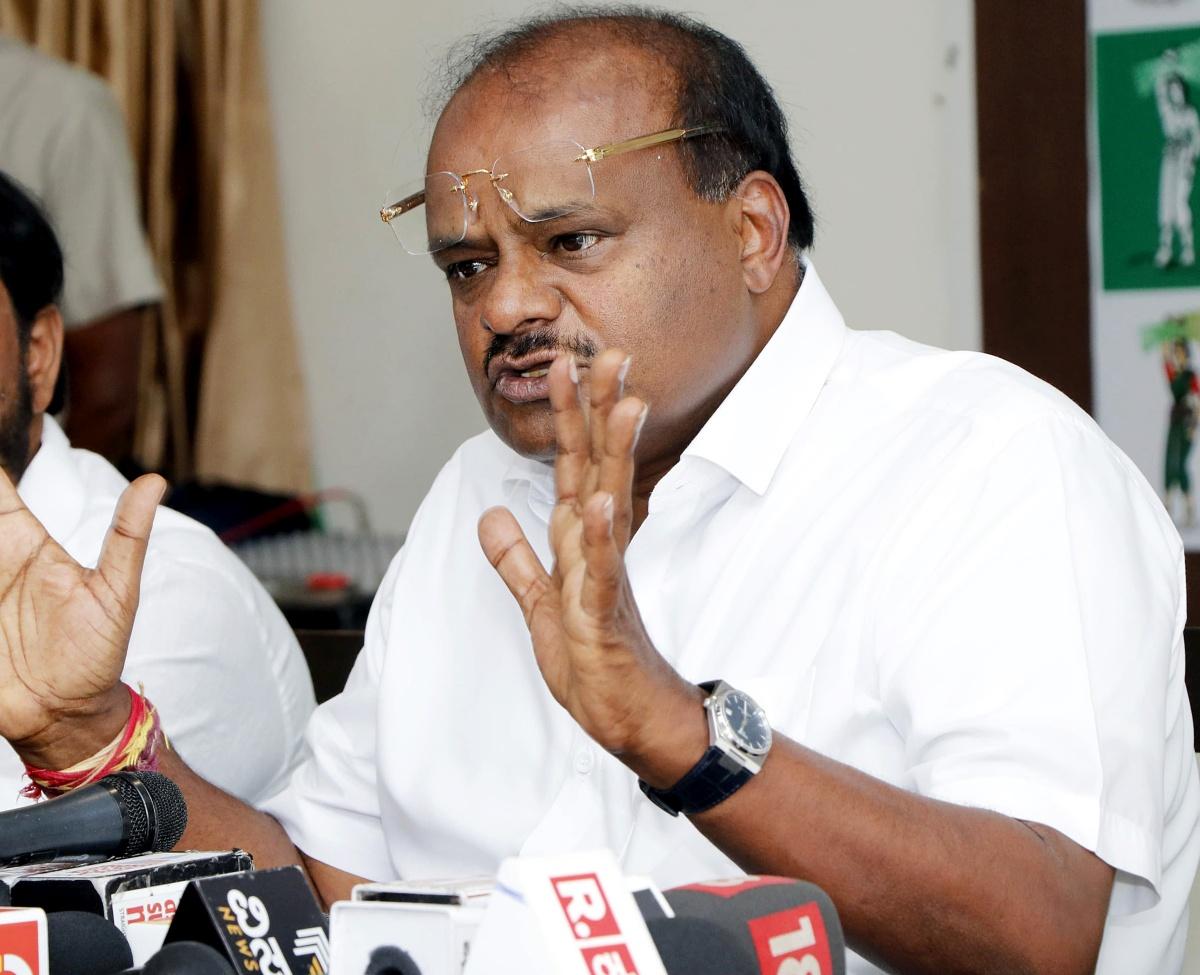
Though inventories are estimated to taper off by mid-July for certain automotive applications, HD Kumaraswamy, Union minister of heavy industries and steel (MHI), in an interview with Puja Das/Business Standard in New Delhi, says the Centre is actively working with industry associations to resolve the issue at the earliest.
Indian importers are complaining about China not approving imports of rare earth magnets despite clearance of nearly 40 certificates by India. How is India taking up the issue with China?
The Indian government is seized of the matter and is actively working with industry associations to resolve it at the earliest.
The auto industry has resilience to tackle this challenge.
The US doubling tariff on steel and aluminium may disrupt India's metal exports. Is there any effect on our exporters that India may be negotiating with the US at the bilateral trade agreement (BTA) talks?
India exported about 165,000 tonnes of finished steel to the US in FY25, about 0.1 per cent of our total production.
Direct impact on the Indian steel sector is expected to be minimal. However, the Indian government is mindful of potential indirect effects, as steel-exporting nations may divert excess supply to other markets, increasing competition and pressuring global prices.
The situation is being closely monitored, and the government continues to engage with the US across various forums.
This will ensure a fair and stable trading environment that safeguards the interests of Indian steel producers.
The European Union's (EU's) Carbon Border Adjustment Mechanism (CBAM) is a looming threat to India and other developing nations. Is India seeking relaxation for the micro, small and medium enterprises (MSME) and hard-to-abate sectors at the free trade agreement (FTA) negotiations?
The government is actively engaging with the EU to ensure that the concerns of Indian companies and hard-to-abate sectors are adequately addressed under CBAM.
In the ongoing FTA negotiations, we are seeking calibrated timelines, fair transition arrangements, and recognition of India's decarbonisation efforts.
Our focus remains on protecting industry competitiveness while enabling a sustainable trade partnership.
The US dismissed India's steel tariff challenge at the World Trade Organization (WTO) on legal and procedural grounds. How is India advocating for it?
India has always believed in a rules-based multilateral trading system.
While the US has chosen to dismiss our challenge on procedural grounds, we will continue to engage with it to achieve enhancement and broadening of bilateral trade ties in a mutually beneficial and fair manner.
Under PM E-DRIVE, sales of three-wheelers have not gained much traction. If the capex of Rs10,900 crore is not entirely utilised under PM E-DRIVE, will the scheme be extended beyond FY26 or will the funds be sent back to the finance ministry?
In case of e-3Ws (e-three-wheelers) (L5), so far, 158,000 units have been sold under the scheme, exceeding the target of 80,546 in FY25 and almost achieving the target of 205,392. However, in case of e-rickshaw & e-cart, the sales are subdued and the segment has grossly underperformed.
As of date 2,743 e-3Ws (e-rickshaws and e-carts) have been sold under the scheme.
According to the scheme's gazette notification, funds for e-2Ws and e-3Ws (e-rickshaw & e-cart) and e-3W (L5) are to be utilised by March 31, 2026.
Vehicles sold till March 31, 2026, are eligible for incentivisation.
Two of the three companies that were awarded 30 GWh for ACC battery storage production-linked incentive (PLI) scheme have not started manufacturing yet and they sought an extension. Is the MHI waiving off or relaxing the penalty, and will an extension help them start manufacturing?
Three beneficiary firms that have been selected under the PLI ACC scheme for setting up 30 GWh capacity have faced initial hurdles in meeting timelines mainly due to technology unavailability, skilled manpower gap, essential import of equipment and machinery and non-availability of upstream components.
However, with support and hand holding by MHI, Ola Cell Technologies Private Limited has reported successful installation of 1.4 GWh capacity.
No proposal of extension of timelines is under consideration at present in MHI.
Liquidated damages have been communicated to all three beneficiary firms according to the programme agreement for not being able to meet the committed timelines.
When will the remaining 10 GWh capacity for ACC battery storage PLI be awarded? Have you, with the ministry of new and renewable energy, selected any bidders yet?
Bid documents for 10 GWh ACC capacity, earmarked for grid scale stationary storage applications, are being fine-tuned by the MNRE for suiting the best requirements in the sector.
Thereafter, a global tender would be floated on the Central Public Procurement portal by the MHI.
Feature Presentation: Rajesh Alva/Rediff







 © 2025