
The criminal trial of Israeli Prime Minister Benjamin Netanyahu is set to resume after being suspended due to emergency restrictions imposed on the judiciary amid the ongoing conflict with Iran.
The Jerusalem District Court has postponed Israeli Prime Minister Benjamin Netanyahu's scheduled testimony in his ongoing corruption trial due to security and diplomatic considerations, as requested by the defence.

The core issues to be settled -- access to Hormuz, Israel's aggression in Lebanon, the question of Iran's nuclear programme, sanctions relief and compensation -- are thorny enough to require weeks of patient negotiation. The most likely outcome of the opening sessions is that both sides take the measure of each other, establish what is and is not negotiable, and return home without having broken anything. That would count as progress.

Netanyahu, who has won the backing of 64 Members of the Knesset (Israeli Parliament), has been assigned the task to form the next government, a statement from the Presidency said.

With 99 per cent of the ballots counted, Netanyahu-led right-wing bloc has taken a comfortable lead with 64 seats in the 120-member Knesset, paving way for his triumphant return.

Under the deal, Israel would suspend its plans to annex large parts of the occupied West Bank.
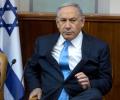
The prime minister has denied all the allegations, saying they are part of a politically orchestrated "witch-hunt" to oust him from office.
On Sunday, the 29-year-old Yair, who is very active on social media and often defends his father's policies, posted a picture of the Hindu goddess Durga, with the face of Liat Ben Ari, the prosecutor in his father's corruption cases, superimposed over the goddess' face. Her many arms were also raised giving the middle finger.

Ousted Egyptian President Hosni Mubarak was on Saturday acquitted by a court which found him not guilty in the killing of hundreds of protesters during the 2011 revolution that toppled his nearly three decades-long rule, overturning an earlier ruling.
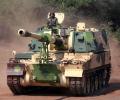
'Landmark developments herald the end of two decades of stagnation in the army's modernisation plans,' notes Brigadier Gurmeet Kanwal (retd).
