
Indian benchmark indices Sensex and Nifty tumbled nearly 1 per cent for the third consecutive day, driven by a sharp spike in crude oil prices and significant selling in bank stocks, with Brent crude jumping to USD 95.27 per barrel.

Indian benchmark indices Sensex and Nifty experienced a downturn in early trade, primarily influenced by a dip in HDFC Bank shares, persistent outflows from foreign funds, and escalating geopolitical tensions between the US and Iran. Track Sensex, Nifty performance.

The BSE Smallcap index hit an over eight-month low of 47,627.96, falling 3 per cent in Tuesday's intraday trade amid selling pressure due to ongoing tariff-related concerns and rising geopolitical tensions.

Reliance Industries shares rose over 1 per cent after the company reported record quarterly core profit and EBITDA for the June quarter, driven by strong performances in its oil-to-chemicals and telecom businesses.

Indian benchmark indices, Sensex and Nifty, staged a moderate rebound after a significant correction in the previous session, driven by foreign fund inflows and a largely positive trend in global markets, though geopolitical tensions between the US and Iran continued to foster caution.

Indian benchmark indices, Sensex and Nifty, closed almost unchanged due to profit-taking in blue-chip stocks, geopolitical uncertainties, fluctuating oil prices, and weak Asian market trends, despite cooling US inflation offering some support.

Indian benchmark indices Sensex and Nifty experienced a significant tumble in early trade, primarily driven by heavy selling in HDFC Bank following its quarterly earnings and a sharp spike in Brent crude oil prices due to escalating tensions between the US and Iran. Track Sensex, Nifty

Indian benchmark indices Sensex and Nifty extended their winning streak to a fourth consecutive day, driven by strong buying in blue-chip bank stocks and a decline in global crude oil prices. Fresh foreign fund inflows also contributed to the optimistic sentiment in the domestic equity market.

New capital exposure norms implemented by the Reserve Bank of India (RBI) from July 1 have led to a noticeable drop in trading volumes, with Multi-Commodity Exchange (MCX) options premium ADTV falling by nearly 40 per cent in early July.
Indian benchmark indices, Sensex and Nifty, closed higher, primarily driven by bank stocks and encouraging US inflation data, which fuelled expectations of a less aggressive Federal Reserve monetary policy. However, escalating US-Iran hostilities tempered investor sentiment, leading to some profit-taking.
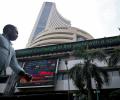
Indian benchmark indices, Sensex and Nifty, saw early gains, primarily driven by IT stocks, amidst expectations of a less aggressive monetary policy from the US Federal Reserve following softer inflation data. Global market trends and upcoming Q1 results are also influencing investor sentiment. Track Sensex, Nifty on july 16.
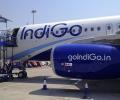
IndiGo, India's largest airline, reported a net loss of Rs 238 crore for the June quarter, primarily attributed to a significant surge in fuel prices and operational constraints stemming from the West Asia conflict.

Indian benchmark indices, Sensex and Nifty, bounced back significantly after two days of losses, with the Sensex climbing 443.97 points to settle at 76,922.64, driven by positive global market trends and a drop in crude oil prices.
Indian benchmark equity indices, Sensex and Nifty, extended their winning streak for a third consecutive day, driven by a rally in IT stocks and global cues suggesting a more accommodative monetary policy after softer-than-expected US jobs data.
India's largest IT services company, TCS, announced a 4.61 per cent increase in its net profit to Rs 13,349 crore for the June 2026 quarter, with revenues climbing nearly 14 per cent year-on-year.

Dr Reddy's Laboratories reported a 68.7 per cent year-on-year decline in consolidated net profit to Rs 443.5 crore in Q1 FY27, primarily due to the end of its lenalidomide sales agreement, a Rs 240-crore provision for semaglutide API inventory quality issues, and elevated freight costs.

TVS Motor Company reported a significant 56.8 per cent year-on-year increase in net profit to 1,036 crore in Q1FY27, driven by record sales volumes, an improved product mix, and robust demand in both domestic and international markets, with management anticipating continued double-digit industry growth.
Indian stock markets witnessed a significant rally, with the Sensex climbing 964.58 points and the Nifty reaching 24,330, driven by strong buying in blue-chip stocks, particularly in the IT and banking sectors, amidst optimism over Q1 earnings and a shift towards large-cap investments.

HCL Technologies reported a significant 20 per cent year-on-year increase in its consolidated net profit for the June quarter of FY27, reaching Rs 4,624 crore, while maintaining its revenue growth guidance of 1-4 per cent for the fiscal year.
Indian benchmark indices Sensex and Nifty saw a significant rebound in early trade, driven by softer-than-expected US inflation data which has reinforced expectations of a less aggressive monetary policy stance from the Federal Reserve, providing relief to global risk assets.

Analysts predict that the US-Iran geopolitical conflict, upcoming quarterly earnings announcements, and fluctuations in crude oil prices will be the primary drivers of investor sentiment in the Indian equity markets.

Leading stock exchange BSE on Monday cautioned investors to remain vigilant against deepfake video of its CEO giving stock recommendations and investment advice on social media platforms. The exchange emphasised that the video is unauthorised and fraudulent, and its officials are not permitted to provide any stock tips.

Indian benchmark indices, Sensex and Nifty, experienced subdued trading and turned flat on Tuesday as investors engaged in profit-booking following a recent rally, compounded by weak Asian market trends and fresh foreign fund outflows.

Indian stock market benchmark indices Sensex and Nifty closed nearly one per cent higher, extending their winning streak for a second day. This rally was driven by softening crude oil prices, positive geopolitical developments, and significant buying in blue-chip IT stocks, despite a broader global tech sell-off.

Indian benchmark indices Sensex and Nifty experienced a significant decline in early trade, driven by renewed tensions between the US and Iran and a subsequent spike in global crude oil prices, creating uncertainty in the market. Track Sensex, Nifty on July 8.
Indian benchmark indices Sensex and Nifty closed largely flat on Monday, recovering from early losses, as escalating tensions in West Asia and a sharp rally in crude oil prices weighed on investor sentiment, despite resilience in IT and consumer durables stocks.

Indian benchmark indices Sensex and Nifty advanced in early trade, driven by renewed foreign fund inflows and a significant drop in crude oil prices to pre-war levels, signalling an uptrend in the market. Track Sensex, Nifty on July 7, 2026.
Shares of Reliance Industries climbed nearly 3 per cent after its digital unit, Jio Platforms, filed draft papers for what could become India's largest-ever initial public offering, with the offering potentially raising around Rs 37,700 crore (USD 4 billion).

The Brihanmumbai Municipal Corporation (BMC) and other key Mumbai offices received email threats warning of explosions, prompting a major security alert and investigation by Mumbai Police. The emails allegedly referenced Khalistan and targeted the Mayor's office, CMO, and BSE building.
Indian equity benchmark indices Sensex and Nifty plummeted over 2 per cent following US President Donald Trump's declaration that the interim agreement with Iran is 'over', which led to a sharp rally in crude oil prices and heightened geopolitical tensions.

This guide will explain the options, what NSE and BSE options are and what differentiates them from each other.
Indian benchmark indices Sensex and Nifty rebounded in early trade on Thursday, recovering from a sharp fall in the previous session, driven by foreign fund inflows and buying in key blue-chip stocks. Track Sensex, Nifty on July 9, 2026.

Indian benchmark indices Sensex and Nifty surged in early trade, with the Sensex jumping nearly 700 points, primarily driven by strong buying in IT stocks following TCS's positive June-quarter results and optimistic demand outlook. Track Sensex, Nifty on July 10, 2026.

Indian benchmark indices Sensex and Nifty experienced a significant downturn in early trade, ending a five-day rally, primarily due to heavy selling in IT firms following a revenue growth guidance cut by global consulting giant Accenture.
Indian benchmark equity indices, Sensex and Nifty, saw early gains driven by strong buying in blue-chip bank stocks, fresh foreign fund inflows, and a decline in global crude oil prices, boosting investor confidence.
Indian benchmark indices, the BSE Sensex and NSE Nifty, snapped a four-day losing streak, with the Sensex climbing 382 points, primarily driven by a strong rally in IT sector shares. Major IT firms like TCS, Infosys, and HCL Tech saw significant gains, contributing to the market's recovery.

Indian benchmark indices Sensex and Nifty recovered early losses to trade higher, supported by encouraging developments on the geopolitical front, specifically the US-Iran peace deal, and easing crude oil prices.

Indian benchmark indices, Sensex and Nifty, experienced a significant drop of over 1 per cent, driven by a bearish trend in global markets, weakness in HDFC Bank and IT firms, and fresh foreign fund outflows.

Indian benchmark indices, Sensex and Nifty, extended their winning streak for a fourth consecutive session, driven by a significant drop in crude oil prices following a peace deal between the US and Iran. This development has fuelled investor confidence and buying activity across the market.
Indian benchmark indices, Sensex and Nifty, experienced a decline in early trade due to uncertainty surrounding the upcoming US-Iran negotiations in Doha. Foreign fund outflows and a dip in major IT stocks further contributed to the market's cautious sentiment, despite mixed performance in global markets.
