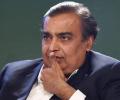
Billionaire Mukesh Ambani-promoted Reliance Industries Ltd (RIL) on Tuesday became the first listed company to hit the Rs 20 lakh crore market valuation mark. The market heavyweight's stock jumped 1.88 per cent to its record high of Rs 2,957.80 apiece on the BSE. It finally settled at Rs 2,928.95 per piece, up 0.90 per cent on the bourse.

Among the Sensex firms, Bajaj Finance, Mahindra & Mahindra, UltraTech Cement, Bajaj Finserv, Asian Paints, Hindustan Unilever, Tata Motors and JSW Steel were the major laggards.

Benchmark equity indices Sensex and Nifty snapped two days of losses to close higher on Tuesday on the back of fag-end buying in auto, power and metal shares helped by fresh foreign fund inflows. The 30-share BSE Sensex rose by 204.16 points or 0.31 per cent to settle at 66,174.20 in a volatile trade. During the day, it hit a high of 66,256.20 and a low of 65,906.65.

Equity investors suffered a massive loss of Rs 31 lakh crore on Tuesday as markets went into a tailspin with the BSE Sensex tumbling nearly 6 per cent as vote counting trends showed the BJP may not have a clear majority in the Lok Sabha polls. Erasing the record-rally of the previous trade, the 30-share BSE Sensex cracked 4,389.73 points or 5.74 per cent to settle at 72,079.05. During the day, the benchmark tanked 6,234.35 points or 8.15 per cent to hit a nearly five-month low of 70,234.43.

Benchmark equity indices ended marginally higher on Thursday, trimming most of their intra-day gains, as investors turned cautious ahead of the quarterly results of IT behemoths TCS and Infosys later in the day. Announcement of the US inflation data and domestic macroeconomic numbers also forced investors to remain on the sidelines. The 30-share BSE Sensex climbed 63.47 points or 0.09 per cent to settle at 71,721.18.

Among the Sensex firms, Power Grid, ITC, JSW Steel, ICICI Bank, Tech Mahindra, Infosys, IndusInd Bank and Mahindra & Mahindra were the major laggards. Sun Pharma, Reliance Industries, HCL Tech, Hindustan Unilever, Bajaj Finance and Maruti were among the gainers.
Among the Sensex firms, State Bank of India, ITC, Nestle, Asian Paints, Tech Mahindra, Mahindra & Mahindra, Tata Consultancy Services and Hindustan Unilever were the major laggards. In contrast, HCL Technologies, Power Grid, Sun Pharma, NTPC, Bajaj Finance and Titan were the gainers.
Among the Sensex firms, Larsen & Toubro, Tata Consultancy Services, Infosys, HCL Technologies, Hindustan Unilever, Axis Bank, ICICI Bank and Wipro were the major gainers. Nestle India, Asian Paints, JSW Steel, Kotak Mahindra Bank and HDFC Bank were among the losers.

Among the Sensex firms, major winners included Tata Steel, rising 3.77 per cent, followed by HCL Tech, which gained 3.62 per cent. IndusInd Bank and PowerGrid closed with a gain of 3,60 and 3.34 per cent, respectively. Other gainers were Tech Mahindra, Hindustan Unilever, Bajaj Finserve and Bharti Airtel, among others. On the other hand, ICICI Bank, Axis Bank, Asian Paints, Bajaj Finance and TCS were the only laggards, sliding up to 2.94 per cent.

Investors' wealth eroded by Rs 6 lakh crore in a single day on Wednesday as the BSE benchmark Sensex tumbled over 790 points. The 30-share BSE Sensex fell by 790.34 points or 1.08 per cent to settle at 72,304.88. During the day, it slumped 872.93 points or 1.19 per cent to 72,222.29.

Among the Sensex firms, IndusInd Bank was the biggest loser and fell 6.13 per cent, followed by SBI (3.99 pc), Hindustan Unilever (3.82 pc), Axis Bank (3.41 pc) and HDFC Bank (3.23 pc). In contrast, Sun Pharma, Bharti Airtel, ICICI Bank and PowerGrid defied the trend and closed with gains of up to 3.67 per cent. TCS and Bajaj Finserve were the other gainers.

Among Sensex gainers, Power Grid jumped the most by 4.16 per cent after its board approved an investment of Rs 656 crore in transmission projects. Private lenders HDFC Bank, Axis Bank, Kotak Bank, IndusInd Bank and ICICI Bank were also among lead gainers. NTPC, Nestle and Hindustan Unilever also ended the session with gains.
Of the top 10 valued firms, eight including Reliance Industries, Tata Consultancy Services (TCS), HDFC Bank, Hindustan Unilever Ltd, HDFC and ITC witnessed gains in their market valuation. From the top-10 pack, the valuation of HDFC Bank jumped Rs 31,553.45 crore to Rs 929,752.54 crore.

Hindustan Unilever's Q3FY24 performance was lacklustre, with both sales and operating profit barely moving from the year-ago period due to price cuts and higher advertising costs. Besides weak demand, the FMCG (fast-moving consumer goods) major is facing increased competitive pressures, particularly from regional players, which, coupled with a slow recovery in rural markets, could put revenues under pressure going forward. Margins are expected to remain range-bound as benefits from falling raw material costs are expected to be neutralised by rising promotional budgets.
Among the Sensex firms, Kotak Mahindra Bank, UltraTech Cement, Mahindra & Mahindra, Larsen & Toubro, ICICI Bank, IndusInd Bank, Wipro and Hindustan Unilever were the major laggards. Sun Pharma, Bajaj Finance, Bharti Airtel, Reliance Industries, Bajaj Finserv and Titan were among the winners.
Hindustan Unilever Ltd on Thursday reported a 6.9 per cent rise in consolidated profit after tax at Rs 2,556 crore in the first quarter ended June 30, 2023, riding on a gradual recovery in the FMCG industry despite operating in challenging environment. The company had posted a consolidated net profit of Rs 2,391 crore in the same quarter last fiscal, Hindustan Unilever Ltd said in a regulatory filing. Consolidated total income in the first quarter stood at Rs 15,679 crore as against Rs 14,757 crore in the corresponding period last fiscal.

In the Sensex pack, HCLTech rose the maximum by 3.12 per cent, followed by ITC which gained 2.73 per cent and M&M went up 2.61 per cent. TCS climbed 2.44 per cent. Tech Mahindra, Wipro, L&T and Maruti were among the other major gainers.

Investors' wealth grew by Rs 3.24 lakh crore on Thursday as the BSE Sensex jumped nearly 1 per cent after a two-day slide. The 30-share BSE Sensex jumped 490.97 points or 0.69 per cent to settle at 71,847.57. During the day, it rallied 598.19 points or 0.83 per cent to 71,954.79.

Nine of the 10 most valued firms faced a combined erosion of Rs 1,87,808.26 crore in market valuation last week, with HDFC Bank and Reliance Industries taking the biggest hit amid an overall weak trend in equities. Last week, the BSE benchmark tumbled 1,538.64 points or 2.52 per cent amid concerns that the US Federal Reserve might raise interest rates further to curb inflation. Fresh foreign fund outflows also dented investor sentiments. Barring ITC, all 10 firms, including Tata Consultancy Services (TCS), Infosys, ICICI Bank and Hindustan Unilever, were the laggards.
Among the Sensex firms, Hindustan Unilever, Tech Mahindra, Infosys, Reliance Industries, Bajaj Finance, Tata Consultancy Services, Titan and UltraTech Cement were the major laggards. Mahindra & Mahindra, Power Grid, IndusInd Bank, Tata Motors, Larsen & Toubro and Maruti were among the gainers.

Among the Sensex firms, Kotak Bank, PowerGrid, ICICI Bank, HDFC Bank, PowerGrid were the major gainers. HUL, TCS, M&M, IndusInd Bank, HCL Tech were among the losers.
Among the Sensex firms, Asian Paints, Titan, Larsen & Toubro, JSW Steel, ITC, Hindustan Unilever, Maruti and Reliance Industries were the major gainers. ICICI Bank, NTPC, Infosys, Tech Mahindra, Tata Steel and Bajaj Finance were among the laggards.

The revenue growth of early birds or companies that have declared their Q4FY24 (March quarter) numbers is the highest in the last four quarters. The 178 companies (excluding their listed subsidiaries) that declared their results have reported a sales growth rate of 13.2 per cent year-on-year (Y-o-Y), taking aggregate revenue to Rs 9.1 trillion. Including other income, growth is at 16 per cent, the highest in the last four quarters.

Among the Sensex firms, Larsen & Toubro, Axis Bank, Tata Steel, Bajaj Finance, Power Grid, Asian Paints, Mahindra & Mahindra and Bajaj Finserv were the biggest gainers. State Bank of India, Hindustan Unilever, Tata Motors and Titan were the laggards.
From the Sensex pack, Bharti Airtel, HDFC Bank, Titan, ITC, UltraTech Cement, Sun Pharma, Bajaj Finserv, Bajaj Finance, Hindustan Unilever and Kotak Mahindra Bank were among the major gainers. Tata Steel, Axis Bank, IndusInd Bank, NTPC and ICICI Bank were the major laggards.

Among the Sensex firms, Axis Bank fell over 4 per cent, emerging as the biggest laggard. State Bank of India, IndusInd Bank, NTPC, UltraTech Cement, Bajaj Finserv, Tata Steel, JSW Steel, Maruti and Larsen & Toubro were the other major laggards. Nestle, Hindustan Unilever, HDFC Bank, Tata Consultancy Services, Infosys, HCL Technologies, and Asian Paints were among the gainers.
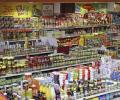
Fast-moving consumer goods (FMCG) companies anticipate sustained volume pressures in the January-March quarter (Q4) coupled with sluggish rural growth during the period. Brokerages estimate top-line growth to be in low single digits in the quarter. Also, the late onset of winter had an impact on demand for winter products which range from moisturisers to hot beverages.

FMCG major Hindustan Unilever Ltd on Thursday reported an increase of 12.74 per cent in its consolidated net profit at Rs 2,601 crore for the fourth quarter ended March 31, 2023. The company had posted a net profit of Rs 2,307 crore in the January-March quarter of the previous fiscal. Its revenue from sales during the quarter under review stood at Rs 14,926 crore, up 10.83 per cent, as against Rs 13,468 crore in the corresponding period a year ago, Hindustan Unilever Ltd (HUL) said in a regulatory filing.

Big, listed FMCG (fast-moving consumer goods) companies such as Hindustan Unilever, ITC, Nestl, and Britannia have been top-performing stocks on the bourses in recent weeks. The Nifty FMCG index, which tracks the share prices of the country's top 15 listed FMCG companies, is up 1.9 per cent month-to-date in May compared to a 2.4 per cent decline in the benchmark Nifty 50 in the period.

What do we need more of: Leaders who dominate global institutions or local leaders with a 'Make-in- India' mindset?

Among the Sensex firms, Infosys, NTPC, Power Grid, Titan, ITC, Tech Mahindra, Hindustan Unilever, Axis Bank, Tata Consultancy Services, Bajaj Finserv, Reliance Industries and UltraTech Cement were the biggest gainers. In contrast, IndusInd Bank, Kotak Mahindra Bank, Mahindra & Mahindra, JSW Steel, HDFC Bank and Maruti were the major laggards.
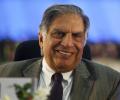
'I think some of us, like Mukesh Ambani, myself and those of us who head industrial units, ought to really focus on what we can really do to make the world a safer place, maybe 50 or 100 years from now.' 'For instance, how can we deal with climate change and global warming, right now?' 'The effects of it may not be felt now; in fact, we may pay a price for it today, but it will help the generations to follow.'

Among the Sensex firms, Nestle rose the most by 4.66 per cent. NTPC rose by 2.16 per cent, Reliance Industries by 1.53 per cent, State Bank of India by 1.04 per cent and Hindustan Unilever by 1.03 per cent. ITC, Power Grid and Bajaj Finance were the major gainers. Wipro, Tata Consultancy Services, HCL Technologies, Tata Steel, Bajaj Finserv and Maruti were among the laggards.
From the Sensex pack, Nestle, Tata Consultancy Services, IndusInd Bank, Asian Paints, Bharti Airtel, Tech Mahindra, UltraTech Cement, Kotak Mahindra Bank and Hindustan Unilever were among the major laggards. Tata Steel, JSW Steel, HCL Technologies, Axis Bank, Power Grid and Mahindra & Mahindra were among the gainers.
HUL believes that post Covid, the awareness about health and wellbeing and selfcare, has exploded and there is a mindset change from health as absence of disease, to health as a part of lifestyle.

Benchmark indices--Sensex and Nifty--were 0.7-0.8 per cent higher from the Saturday closing. Among the widely-tracked Nifty 50 stocks, 39 advanced and the rest 11 declined at the opening bell. Among the individual stocks, Cipla, ICICI Bank, Sun Pharma, Power Grid Corp, and Bharti Airtel were the top five gainers, while Asian Paints, Hindustan Unilever, Britania, HDFC Bank, and BPCL the losers, NSE data showed. On Monday, Indian stock exchanges were closed for trading on the occasion of Pran Pratistha of Ram Temple in Ayodhya.
Bajaj Finance, ICICI Bank, Bajaj Finserv, IndusInd Bank, Infosys, Kotak Mahindra Bank, Wipro, and Reliance Industries were among the other laggards. On the other hand, Larsen & Toubro, Hindustan Unilever, Power Grid, Asian Paints, Nestle and Mahindra & Mahindra were the major gainers.

Among the Sensex firms, State Bank of India, Infosys, Titan, Tech Mahindra, IndusInd Bank, NTPC, ICICI Bank, Power Grid, Reliance Industries and Kotak Mahindra Bank were the major laggards. On the other hand, Tata Motors, Nestle, Hindustan Unilever, Tata Steel, Bajaj Finance and UltraTech Cement were among the gainers.
Major laggards among Sensex constituents included Bharti Airtel, Hindustan Unilever, Tata Steel and ITC. Power Grid, UltraTech Cement, NTPC and Titan emerged as winners.

Mahindra & Mahindra was the top laggard in the Sensex pack, sliding 2.05 per cent, followed by Bajaj Finance, Tata Steel, SBI, Asian Paints, Kotak Mahindra Bank and Titan. However, IT majors HCL Technologies and TCS defied the trend and gained 1.02 per cent and 0.47 per cent, respectively. FMCG firm Hindustan Unilever rose 0.32 per cent.
