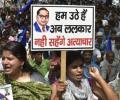
A group of around 130 Dalit families in West Bengal's Purba Bardhaman district have been facing discrimination for centuries, being denied access to a local temple. The families, belonging to the traditional community of cobblers and weavers, have been ostracized and face economic hardship due to this caste-based practice. Despite recent attempts by the administration to resolve the issue, the situation remains tense and the families are left with few options.
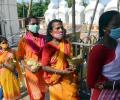
In a significant move, 130 Dalit families in West Bengal were finally allowed to enter the Gidheshwar Shiv Temple after being barred for nearly three centuries due to caste discrimination. The families, who are primarily cobblers and weavers, had faced social and economic exclusion for their attempts to worship at the temple. Local authorities intervened after multiple rounds of discussions with village elders, temple servants, and political leaders, leading to a resolution of the long-standing dispute.
Dismissing the allegation, BJP district general secretary Shyamal Roy claimed that the murder was a fallout of infighting within the ruling party.

Normal life was on Friday thrown out of gear across West Bengal with rail and road traffic severely affected in the wake of a 12-hour state bandh called by the Congress to protest against the attack, allegedly by Communist Party of India - Marxist supporters, on its Members of Legislative Assembly at Mangalkot in Burdwan district.Skeleton vehicular movement was seen on the city roads. A few private bus owners operated their buses. Shops and educational institutions were shut.

In a major crackdown, 653 crude bombs were seized from West Bengal's Burdwan district and as many as 1,117 people have been arrested in the drive launched by the police.

Three persons, including husband of a Communist Party of India-Marxist candidate, were killed on Monday and several others injured in violence during the second phase of panchayat elections in West Bengal where 75 per cent polling was recorded.
