
ITC reported a 16.2 per cent year-on-year drop in consolidated net profit to 4,394.13 crore in Q1 FY27, primarily due to a significant increase in taxes on its cigarette business. Consolidated net revenues also declined by 11.1 per cent to 19,114 crore, missing analyst estimates.

Mahindra & Mahindra (M&M) Ltd reported a significant 34 per cent year-on-year increase in Profit After Tax (PAT) to Rs 5,455 crore for the June quarter, driven by strong performance in its Auto and Farm segments despite challenging macro-economic conditions.

Tata Chemicals reported an 81 per cent decline in consolidated net profit to Rs 60 crore for the quarter ended June, primarily attributed to higher expenses, despite an increase in total income.

Bharti Airtel, India's second-largest telecom operator, reported a 37.3 per cent rise in consolidated net profit to 8,167 crore for Q1 FY27, driven by the addition of high-paying premium customers, despite missing Bloomberg consensus estimates.

Wipro's net profit in the first quarter saw minimal growth, rising less than one per cent to 3,352 crore, while revenue increased by 10.6 per cent to 24,480 crore. The IT services segment, a key metric, grew by only one per cent year-on-year, falling short of analyst estimates amidst a challenging demand environment and longer decision cycles from clients.

Maruti Suzuki India (MSIL) reported a 9.1 per cent year-on-year decline in net profit for the April-June quarter of 2026-27, marking its second consecutive quarterly fall. This dip occurred despite a significant 29.3 per cent jump in sales volume, primarily due to escalating commodity prices, increased energy costs, and logistics disruptions stemming from the West Asia conflict.
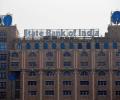
State Bank of India (SBI) reported a 13.73 per cent increase in its June quarter consolidated net profit, reaching Rs 24,113 crore, primarily due to improved core income and a decline in provisions for non-performing assets.

State-run Oil and Natural Gas Corporation (ONGC) Ltd reported a 112 per cent year-on-year increase in standalone net profit for Q1 FY27, reaching 17,034 crore, primarily due to higher crude oil prices and increased realisations from new well gas. Despite a consolidated net profit decline due to HPCL's losses, ONGC's core upstream business showed robust growth.

India's public sector banks (PSBs) have seen their net profit nearly treble over the past five years, reaching a record Rs 1.98 trillion in FY26, driven by significant improvements in asset quality and sustained lending growth across key economic sectors.

BMW Group India says every Re 1 depreciation in the rupee against the euro trims its profit margin by about 1 per cent, prompting the company to consider further price increases.

Reliance Industries Ltd reported a 22 per cent year-on-year decline in consolidated net profit for the June quarter, primarily because the previous year's earnings were inflated by a one-time gain from the sale of its stake in Asian Paints.

Larsen & Toubro (L&T) reported a 14 per cent year-on-year increase in Q1 FY27 profit attributable to owners, reaching Rs 3,926 crore, surpassing analyst estimates, despite facing significant supply-chain disruptions in West Asia.

Cognizant reported a 1.4 per cent year-on-year dip in net profit for the April-June quarter to $636 million, while revenue grew 4.5 per cent to $5.5 billion. The company has also cut the top end of its annual guidance, citing a slowdown in macroeconomic conditions and rising uncertainty.

Reliance Industries shares rose over 1 per cent after the company reported record quarterly core profit and EBITDA for the June quarter, driven by strong performances in its oil-to-chemicals and telecom businesses.

Hindustan Unilever Ltd (HUL) reported a 3.17 per cent year-on-year decline in consolidated net profit to Rs 2,680 crore for the June quarter, even as revenue from product sales surged by 10.26 per cent to Rs 17,149 crore, marking its highest growth in 13 quarters.
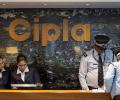
Homegrown pharma major Cipla Ltd reported a 39 per cent decline in consolidated net profit to Rs 785.55 crore in the first quarter ended June 2026, primarily due to a dip in sales in the North American market and higher expenses.

Bajaj Finance, India's largest private-sector NBFC, reported a 29 per cent year-on-year increase in standalone net profit to 5,346 crore for Q1FY27, propelled by robust growth in net interest income and assets under management, which surpassed 4 trillion.

Sun Pharmaceutical Industries reported a 27 per cent year-on-year increase in consolidated net profit to 2,894.7 crore for Q1FY27, with revenue growing 10 per cent to 15,299.8 crore, driven by strong performance in India and innovative medicines.
Reliance Industries Ltd reported a 22 per cent year-on-year decline in consolidated net profit for the June quarter, primarily because the previous year's earnings were inflated by a one-time gain from the sale of its stake in Asian Paints.

State-owned Bank of Baroda (BoB) reported a 72 per cent year-on-year (Y-o-Y) drop in net profit to 1,278 crore for Q1FY27 due to a $600 million out-of-court settlement related to NMC Health Plc. In contrast, Bank of India (BoI) saw its net profit rise by 36.23 per cent Y-o-Y to 3,068 crore for the same quarter, driven by healthy loan growth and improved asset quality.

Infosys reported a 12.2 per cent year-on-year increase in consolidated net profit for the June quarter, reaching Rs 7,769 crore, but simultaneously lowered its full-year FY27 revenue growth outlook to 1.5-3 per cent, citing an uncertain macro-environment.

Indian Hotels Company (IHCL) reported a 20.8 per cent year-on-year rise in net profit for Q1 FY27, reaching 357.9 crore, despite macroeconomic headwinds like geopolitical tensions in West Asia impacting international travel and airline catering business.

HDFC Life Insurance and ICICI Prudential Life Insurance have reported double-digit growth in profitability for the first quarter of FY27, buoyed by healthy premium collections and increased investment income, with HDFC Life's net profit rising 11.9% and ICICI Pru's by 27.8%.

FMCG giant Nestle India reported a significant 48.26 per cent year-on-year increase in consolidated net profit, reaching Rs 958.68 crore in the June quarter of this financial year, driven by strong volume growth and consumer trust.

TVS Motor Company reported a significant 56.8 per cent year-on-year increase in net profit to 1,036 crore in Q1FY27, driven by record sales volumes, an improved product mix, and robust demand in both domestic and international markets, with management anticipating continued double-digit industry growth.

Indian benchmark indices, Sensex and Nifty, closed lower due to profit-taking after a four-day rally, influenced by weakness in Asian markets, with Trent shares tumbling over 12 per cent.

IT major Wipro reported a nearly flat consolidated net profit of Rs 3,352 crore in the April-June quarter of FY27, a marginal increase from Rs 3,330.4 crore in the year-ago period, while revenue from operations grew 10.6 per cent to Rs 24,478.6 crore.

Eternal, the parent company of Zomato and Blinkit, reported a nearly fourfold increase in net profit to 92 crore for Q1FY27, primarily due to operational gains and the strong performance of its quick commerce business, Blinkit.

IT major Tech Mahindra reported a 28.4 per cent increase in consolidated net profit for the June quarter, reaching Rs 1,465 crore, driven by broad-based growth across manufacturing and financial services, and expressed confidence in a positive demand environment for the rest of the year.

HCL Technologies reported a significant 20 per cent year-on-year increase in its consolidated net profit for the June quarter of FY27, reaching Rs 4,624 crore, while maintaining its revenue growth guidance of 1-4 per cent for the fiscal year.

The asymmetry in deposit and credit growth is the biggest challenge before the Indian banking industry. For every 100 deposit that a bank mobilises, it needs to keep 3 with the banking regulator in the form of cash reserve ratio on which it doesn't earn any interest. Another 18 is used for buying government bonds (statutory liquidity ratio). This means, a bank is left with 79 for giving credit. Add to this, its capital which can be used for giving loans. Most banks are facing a fund crunch. They need to find ways to attract deposits if they want to sustain credit growth, explains Tamal Bandyopadhyay.

Shareholder payouts by India Inc, including dividends and buybacks, increased by 2.2 per cent year-on-year in FY26 to $5.06 trillion, but this growth lagged the 18.8 per cent rise in reported net profit for the third consecutive year, leading to the lowest dividend payout ratio in 12 years.

Indian benchmark indices, Sensex and Nifty, experienced subdued trading and turned flat on Tuesday as investors engaged in profit-booking following a recent rally, compounded by weak Asian market trends and fresh foreign fund outflows.

Hyundai Motor India Ltd reported a 35 per cent decline in consolidated profit after tax to Rs 888.62 crore in the first quarter ended June 30, impacted by lower revenue and higher expenses, with MD & CEO Tarun Garg noting it was a "challenging quarter".

Tewolde Gebremariam, a seasoned aviation professional with extensive experience at Ethiopian Airlines, has been named the new Chief Executive Officer and Managing Director of Air India. He is tasked with leading the airline's ambitious five-year transformation plan, Vihaan.AI, aimed at achieving significant growth and profitability, marking him as the second foreign national to helm Air India under Tata Group ownership.
Air India has announced the appointment of Tewolde Gebremariam, former CEO of Ethiopian Airlines Group, as its new Managing Director and Chief Executive Officer, replacing Campbell Wilson. This strategic appointment comes as the airline navigates expansion amidst significant challenges.

Public-sector banks (PSBs) have reported a substantial increase in non-interest income for Q1FY27, primarily driven by the sale of Priority Sector Lending Certificates (PSLCs) backed by their rapidly expanding gold loan portfolios. This strategy has allowed several lenders to book significant profits by exceeding priority sector lending targets.

Tata Consumer Products reported healthy revenue growth in Q1 FY27, driven by its India branded business and accelerating momentum in newer segments, which are now expected to sustain double-digit sales growth and improve profitability.

Indian benchmark indices, Sensex and Nifty, opened higher on Friday, primarily driven by a significant surge in Bajaj Finance shares following its strong Q1 FY27 earnings report, coupled with continued foreign fund inflows and a dip in crude oil prices. Track Sensex, Nifty on July 31.

Reliance Industries (RIL) delivered a better-than-expected operational performance in Q1FY27, driven by a recovery in its oil-to-chemicals (O2C) business and robust gains in the telecom (Jio) segment, though its retail arm missed estimates. Analysts highlight the upcoming Jio Platforms IPO and execution in new energy and consumer businesses as key triggers for the stock's future growth.
