
Across continents and cultures, people unknowingly cook similar dishes -- same idea, slightly different ingredients or different methods of preparation.
Many Indian favourites have surprising global twins that nearly mirror our flavours, techniques or eating style.
There are sometimes easy explanations, because food, especially good food, travels fast, maybe getting mildly modified along the way, with invaders, migrants, explorers, settlers, traders, often along well known paths, like the Silk Route or on the Indian Ocean routes. That explains why both Italy and China love their noodles. Or why Balti Chicken is a hot UK favourite.
Hemantkumar Shivsharan/Rediff identifies a few of these intriguing culinary doppelgangers.
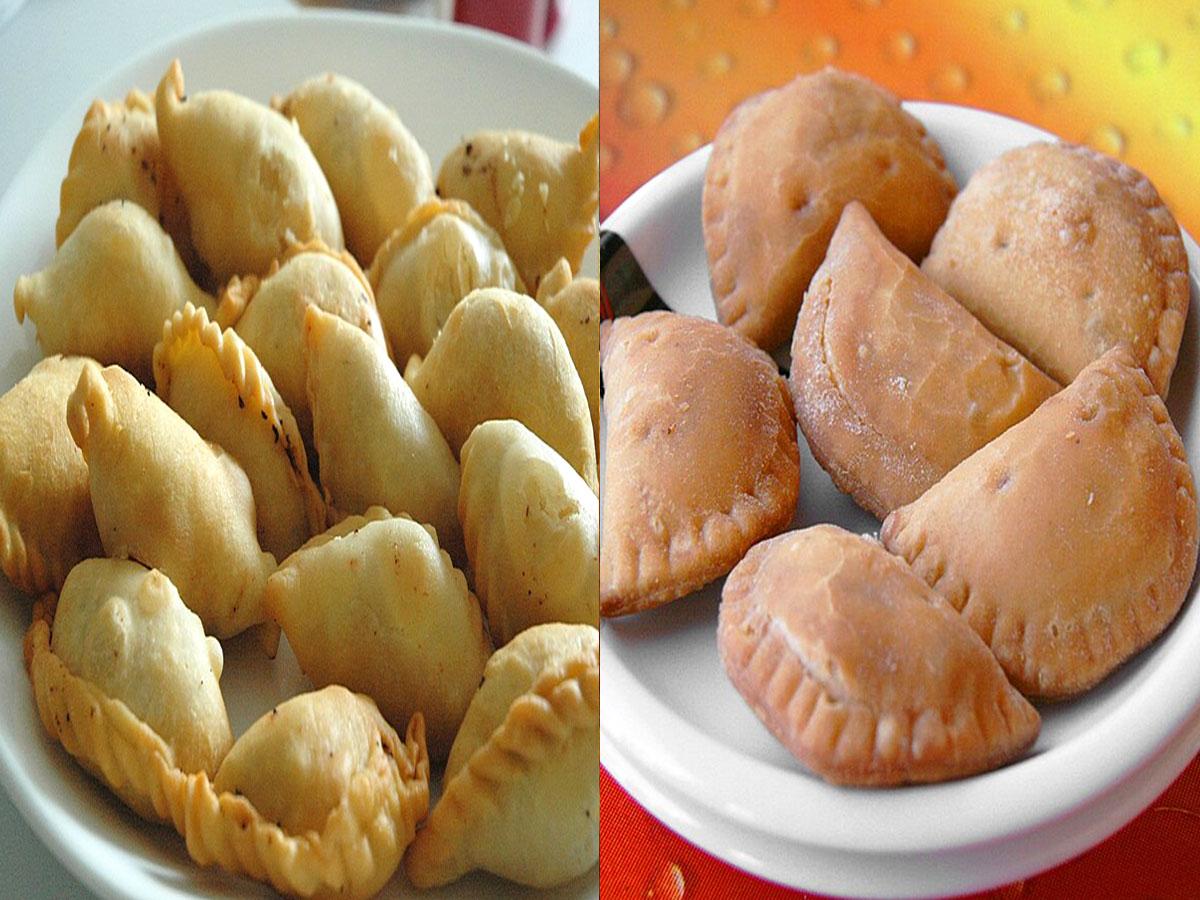
Karanji vs Empanada
India's festive karanjis -- also known as gujiyas -- is a deep-fried crescent pastry filled with sweetened coconut, jaggery, khoya or semolina or dry fruits. Across the world, in Latin America, empanadas follows the same concept -- a folded pastry pocket, baked or fried, with sweet (fruit) or savoury fillings. It originated in Spain and was brought to the New World by settlers.
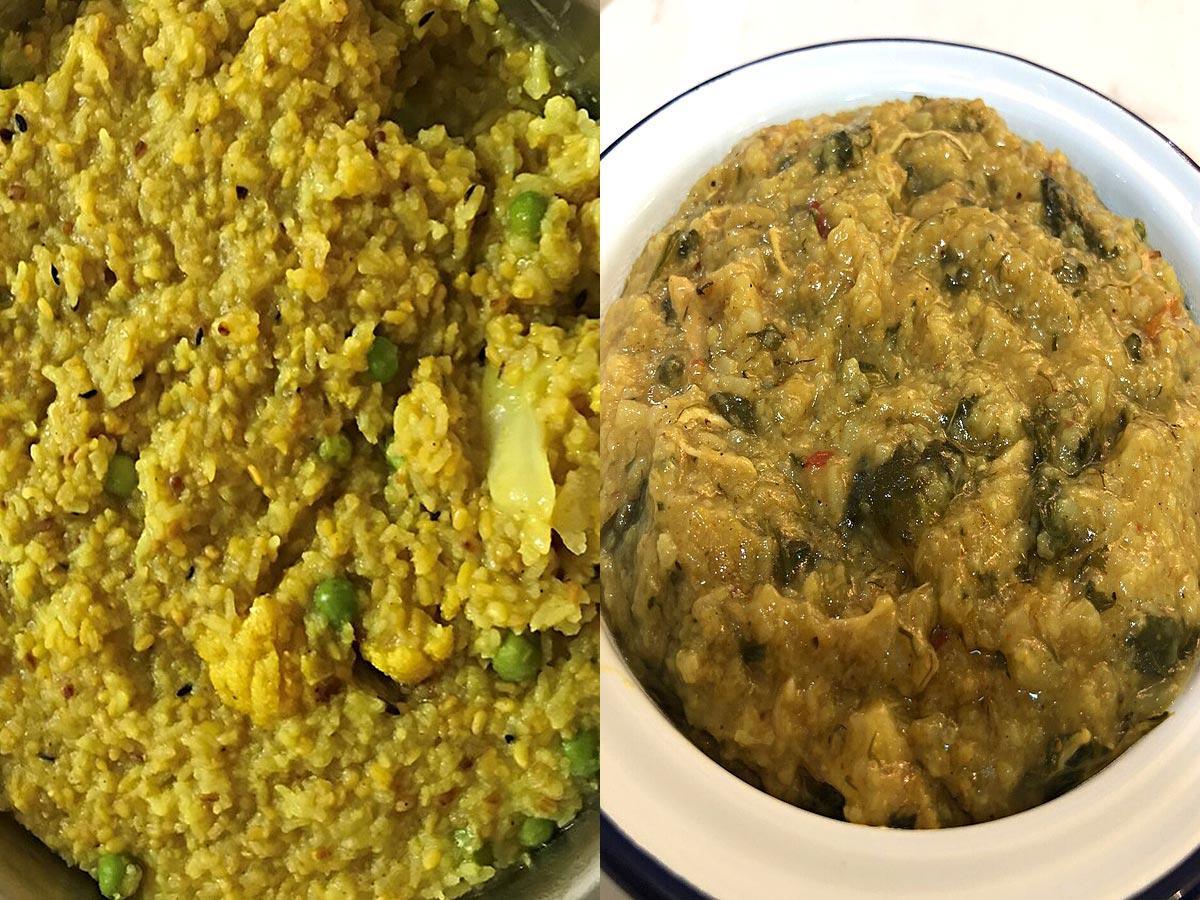
Khichdi vs Mujaddara/Madrouba
India's warm, soothing khichdi is a close cousin of Levant's mujaddara, made with lentils and rice topped with caramelised onions, and Bahrain's madrouba, a slow-cooked rice porridge with chicken. Though separated by miles, all three celebrate the comfort of rice cooked mushily with lentils/vegetables/meat as a flavourful one-pot meal.
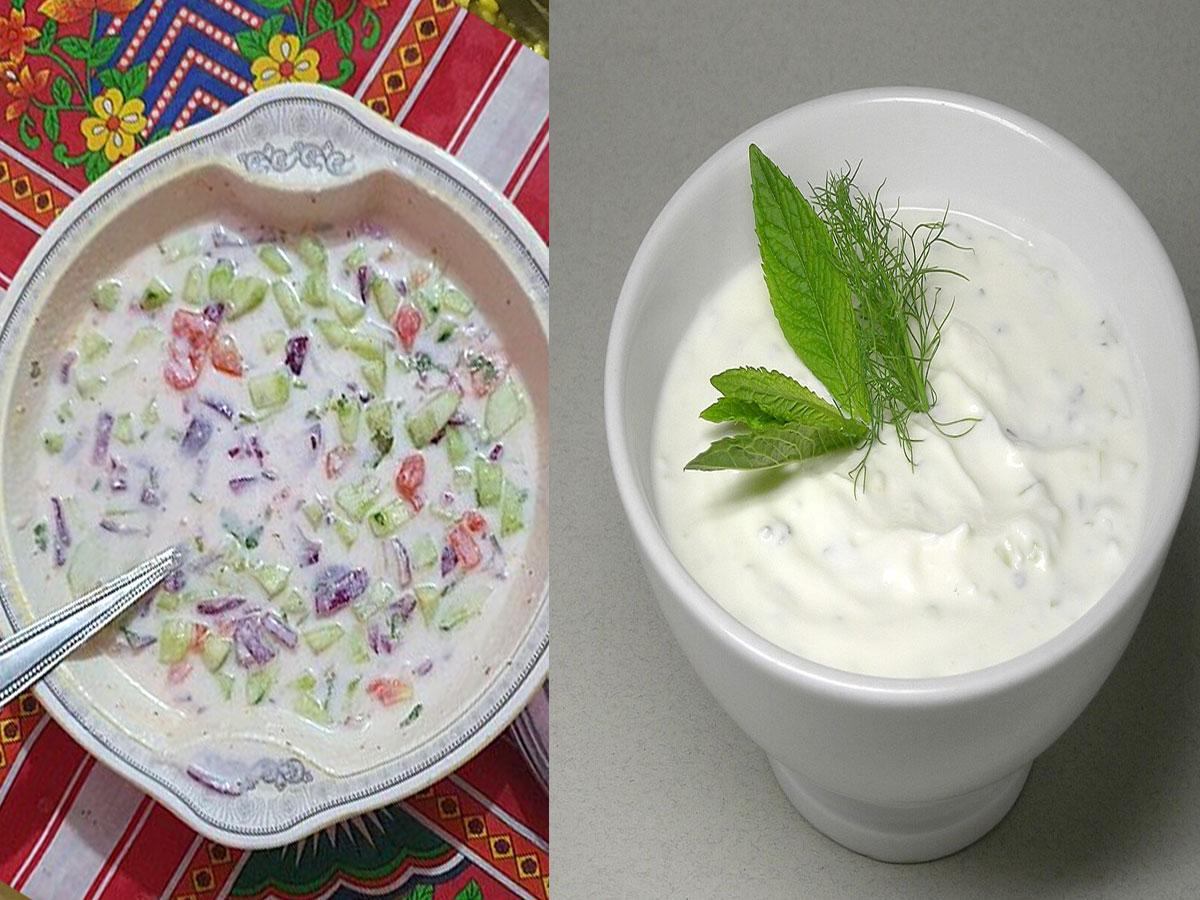
Raita vs Tzatziki
Indian raitas and the Greek tzatziki share ingredients -- yoghurt, herbs, and vegetables. Both are equally refreshing. Whether served with biryani or gyros, both succeed in cooling the palate and balancing spicy, rich meals.
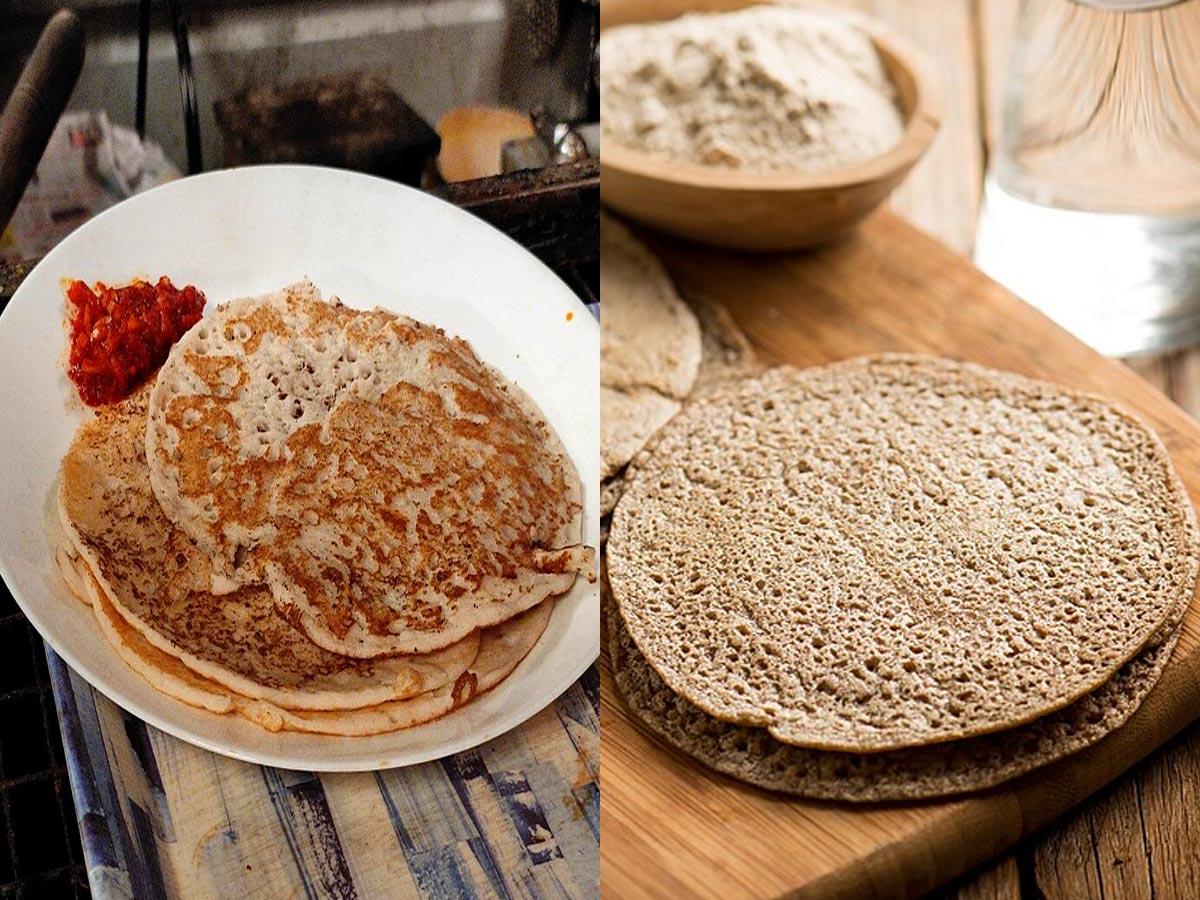
Dosa vs Injera
South India's crispy dosa and Ethiopia's spongy injera look only slightly different and are made from fermented batters. Each serves as a base for flavourful accompaniments.
Fermented for longer, injeras are slightly more sour (using a starter culture) and are made from the teff grain, a cereal native to Ethiopia but they can be made from millets too. The batter is poured out onto a griddle and baked. Fermentation incidentally is a universal culinary language.
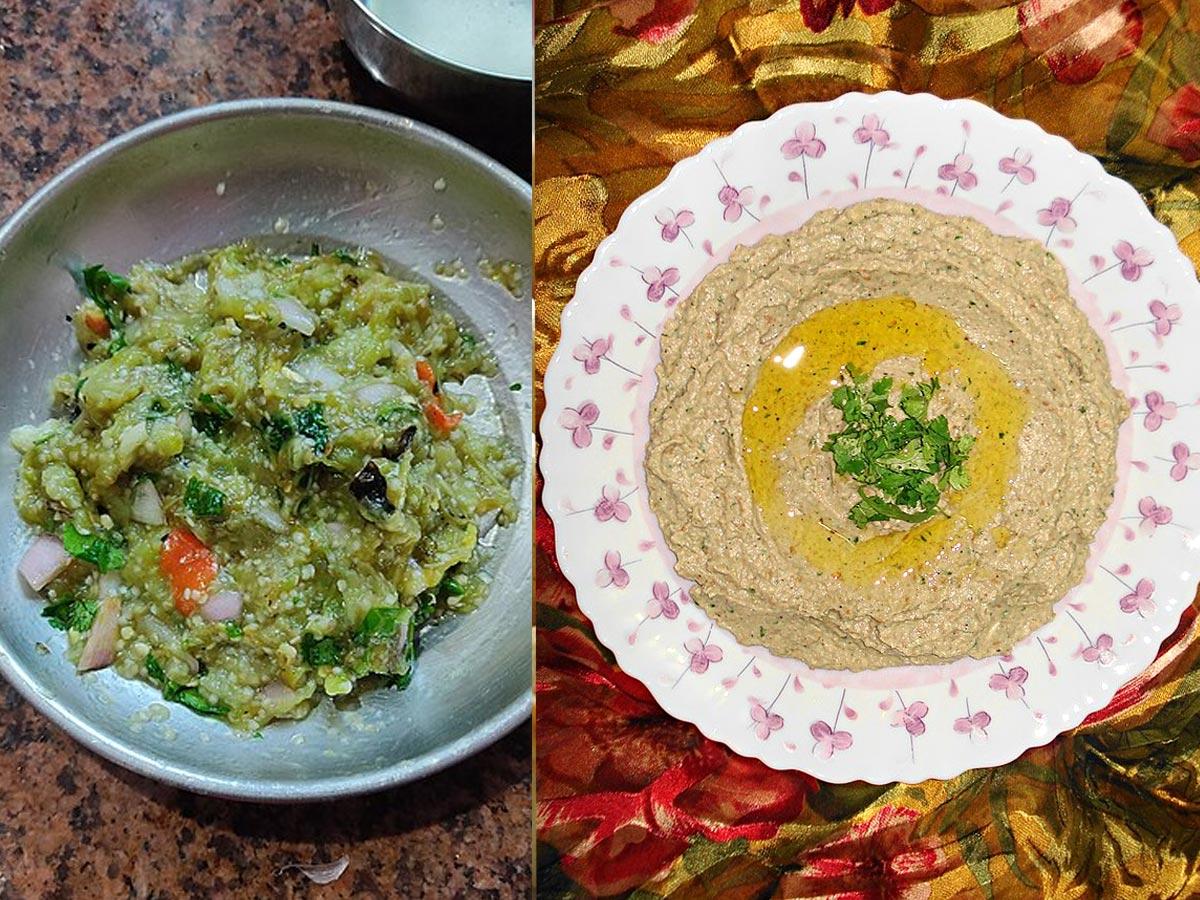
Baingan Bharta vs Baba Ghanoush
The Middle East and Turkey has Baba Ghanoush or Patlijan. India loves its bharta. Baba G is eaten with pita. Bharta is had with parathas or rotis. The backbone of each of these dishes is fragrant roasted eggplant. And each is equally yum.
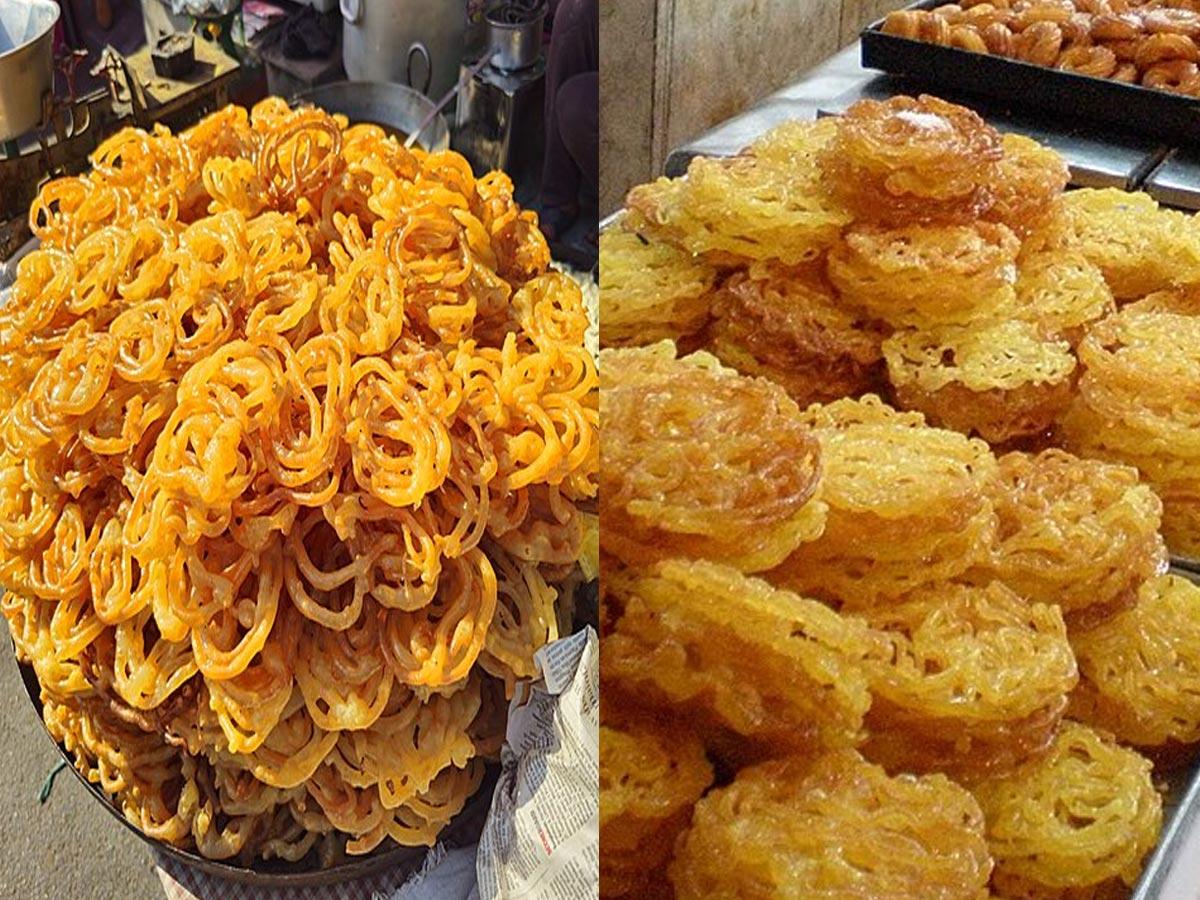
Jalebi vs Zoolbia/Zalabiyas
Indian jalebis and Persian and Middle Eastern zoolbias/zalabiyas are practically sagaa siblings -- deep-fried spirals soaked in fragrant sugar syrup. One uses saffron and rosewater, the other cardamom and citrus, but both deliver the same irresistible sticky sweetness.
History made them bhai-behen because they are both travellers on the Silk route, like sevaiya was too. Incidentally a version of jalebis is eaten in the Europe and America, often at fairs and it is called funnel cake.
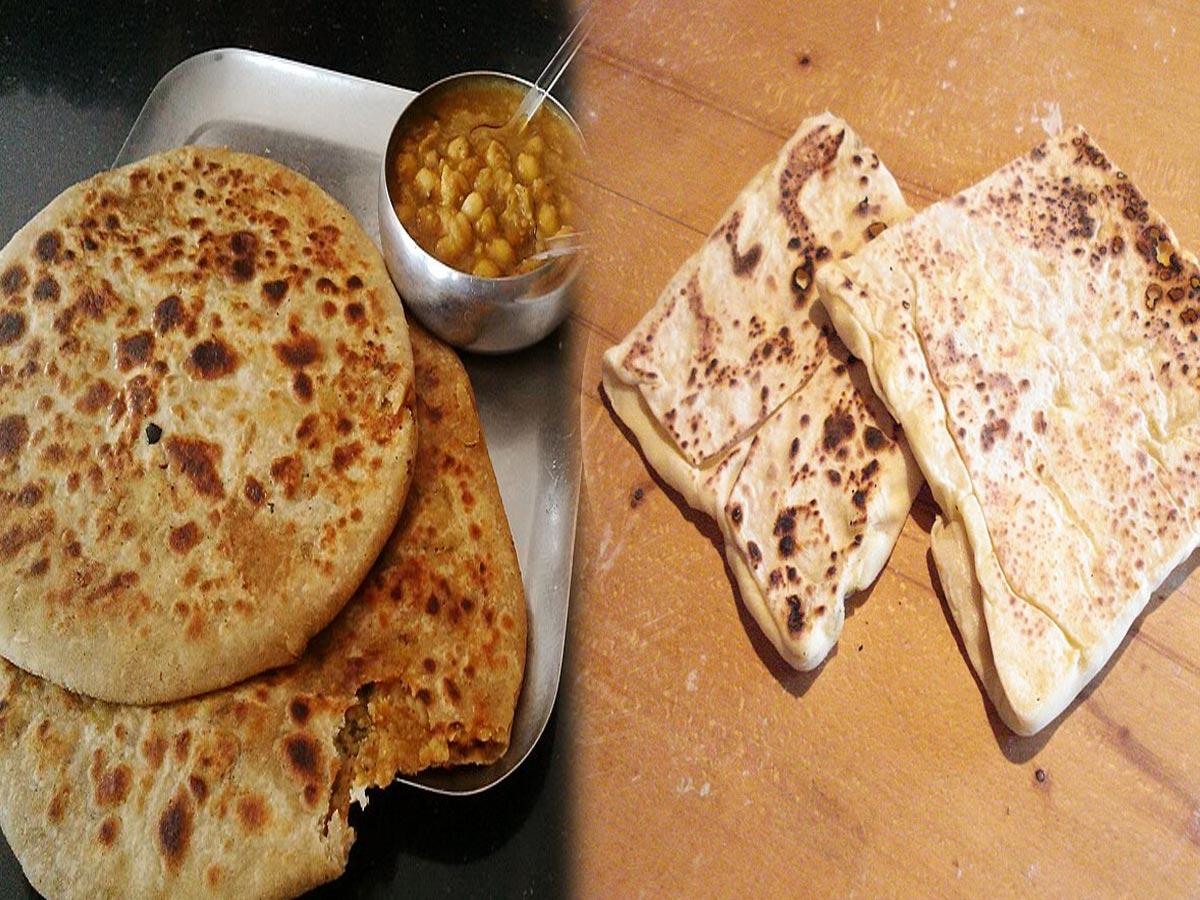
Aloo Paratha vs Gözleme
India's versatile stuffed paratha and Turkey's gözleme... Are they that different? Paratha stuffings are paneer, kheema, alu, spinach, fenugreek, onions, cauliflower, bottle gourd, radish. Gözleme stuffings are mince, potato, cheese, spinach. They are then fried up on a griddle.
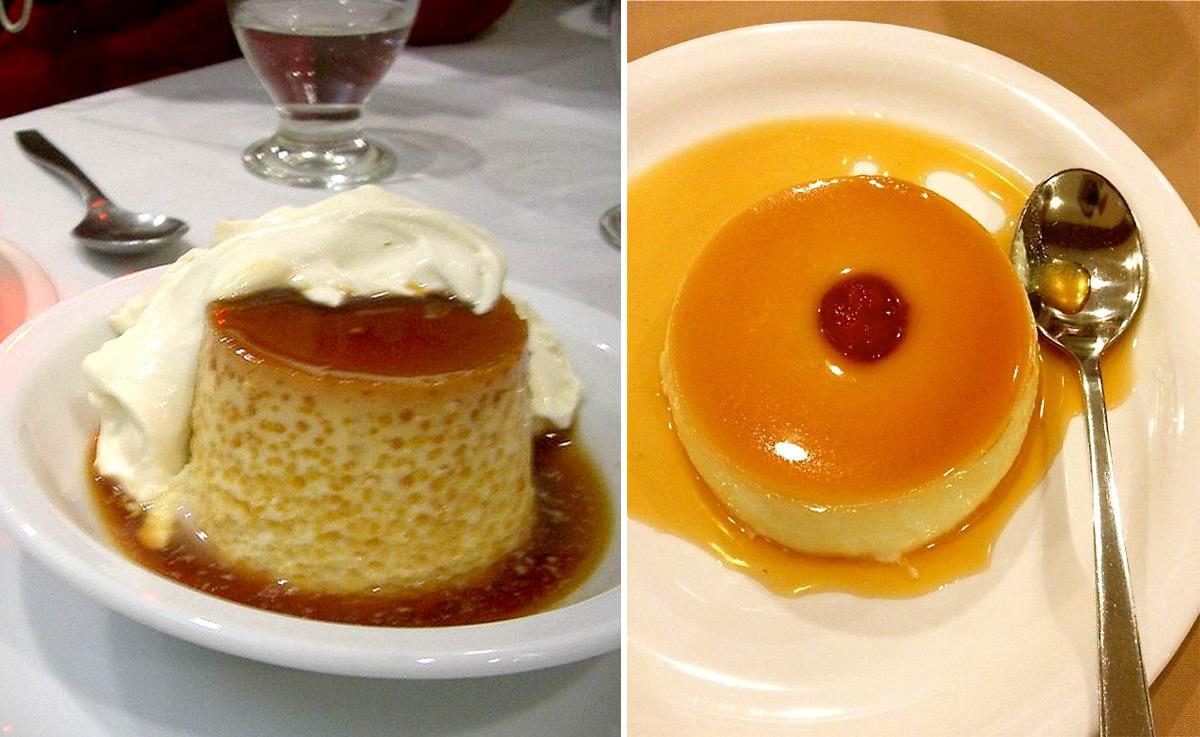
Caramel Custard vs Creme Caramel/Flan
This custard is a major traveller, its suitcase always packed, its passport full of multiple visas. Practically every part of the world makes their own version of this delicious burnt sugar-topped wobbly steamed egg custard. Some spike it with a little alcohol and serve it with whipped cream, others thicken it with coconut milk or condensed milks. In India caramel custard is made with milk eggs and melted and browned sugar.
Although probably of French origin, it was the Spaniards and Portuguese who took it around the globe -- to Mexico, Goa, Philippines, Argentina, Brazil, Chile, Central America, Vietnam.