
On October 14, 1956, Dr B R Ambedkar, fulfilling his long-held vow to renounce Hinduism, embraced Buddhism along with over 500,000 followers at Nagpur's Deekshabhoomi, marking a new era of social and spiritual liberation for India's Dalits.
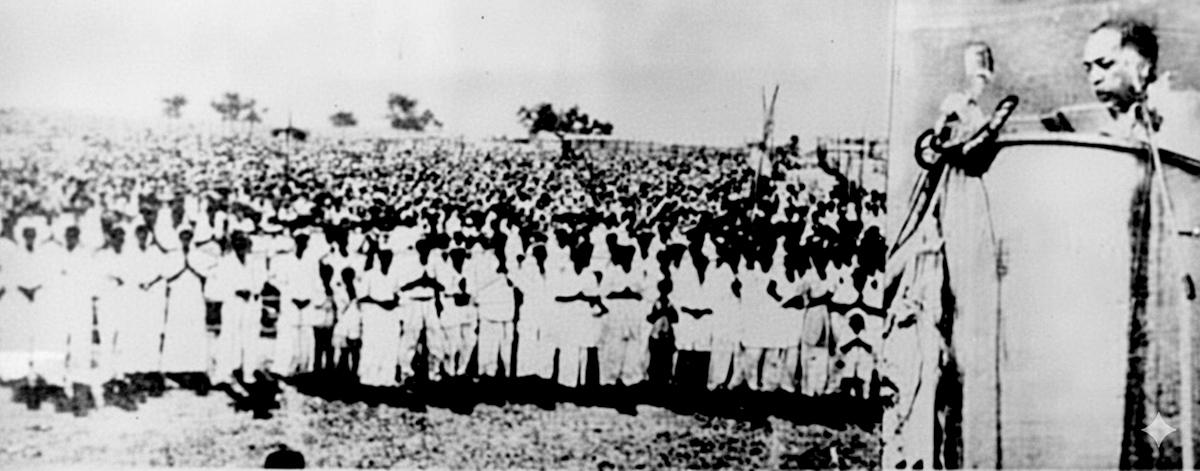
Dr Bhimrao Ramji Ambedkar, better known as Babasaheb Ambedkar, the Father of the Indian Constitution, is hailed as the unmatched leader of the Dalits and oppressed castes of India.
On October 13, 1935, he publicly announced that though he was born a Hindu, he would not die as a Hindu.
On October 14, 1956, which day was being celebrated for Dussehra when good triumphs over evil, Dr Ambedkar, his wife Savita, and thousands of Dalits renounced Hinduism and embraced Buddhism.
Dr Ambedkar had long fought against casteism, especially its most oppressive features, to emerge as the foremost leaders of the Dalits, a term he preferred over the patronising word 'Harijan'.
Among the many obstacles imposed upon Dalits before Independence, non-entry into temples, and drawing water from common wells/tanks was the most common, practised in almost every village of India. And it was against obscurantist practices that Dr Ambedkar made his earliest mark in his fight against untouchability.
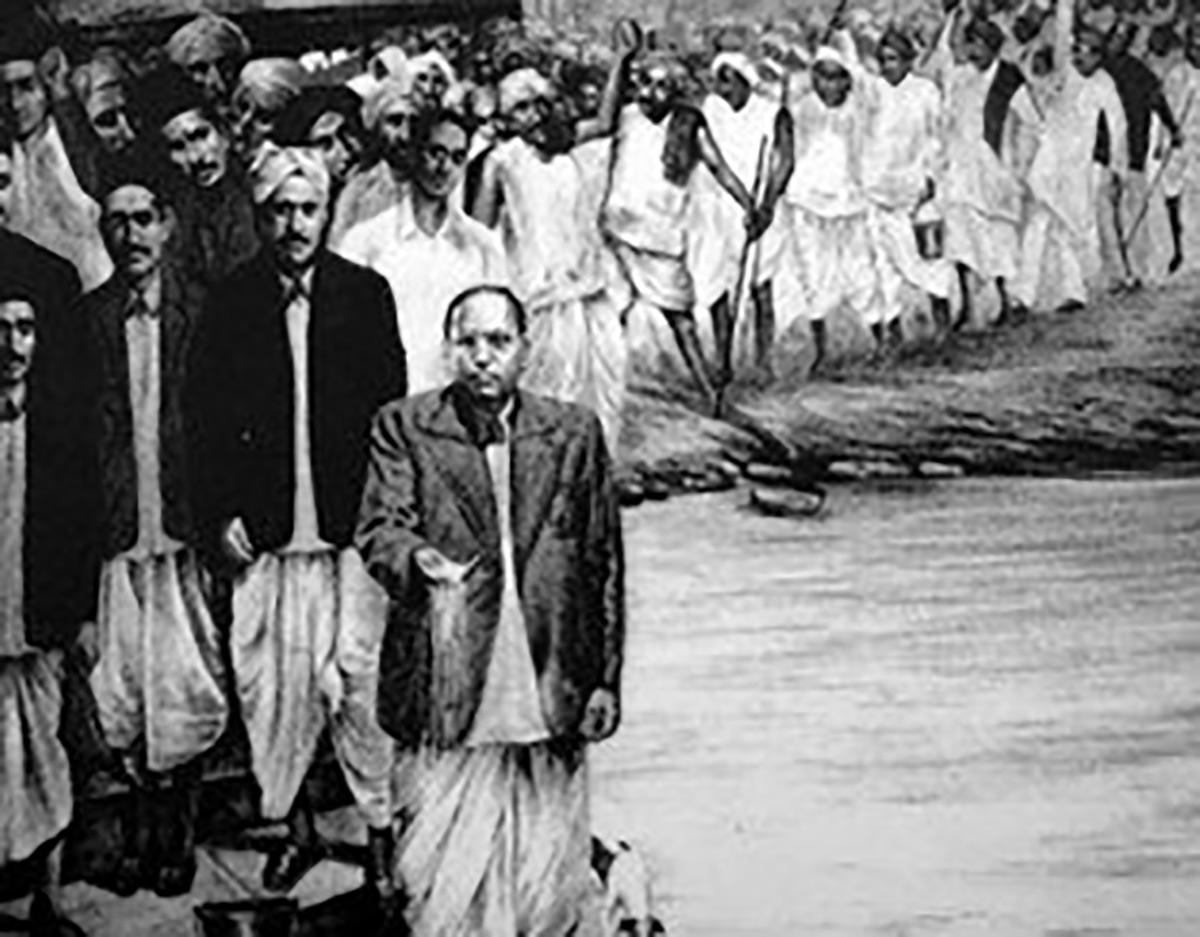
In March 1927, he led the Mahad satyagraha, a movement to enable Dalits to draw water from the common water tank at Mahad village in Raigad district.
Later, on December 25, 1927, Dr Ambedkar led thousands of Dalits to publicly burn copies of the Manusmriti.
In 1930, he led some 15,000 followers in an attempt to enter the Kalaram temple in Nashik. But when they reached the gates, the brahmin priests shut the temple gates to prevent the entry of the Dalits.
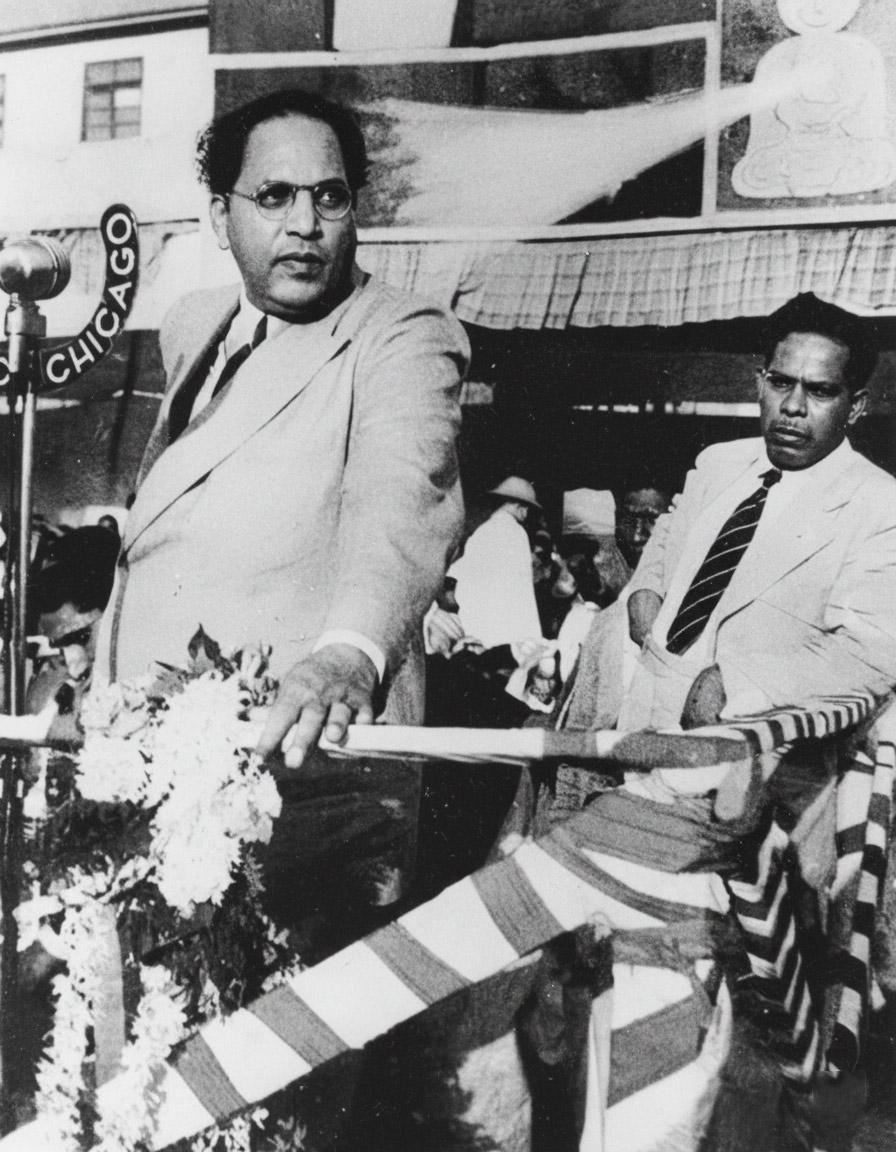
In 1932, the British government announced separate electorates for the 'Depressed Classes'. Opposing this move, Mahatma Gandhi, then in Yerawada jail, went on a hunger fast, saying the move would divide Hindu society. Under tremendous pressure, Dr Ambedkar signed the Poona Pact, which reserved some seats in the Provincial Legislatures for members of the Depressed Classes.
It seems that soon after, Dr Ambedkar concluded that Dalits must leave Hinduism and convert to another religion, and in 1935, he declared, 'I was born a Hindu. I could not help it, but I solemnly assure you I won't die a Hindu.' He would repeat this message at many gatherings.
In the aftermath of his announcement, many religious leaders sought to woo Ambedkar, hoping to convert him and his followers to their faith. But ever since he was gifted a book on the Buddha as a young boy, Dr Ambedkar had been deeply impressed by Buddhism, and in 1936, he announced that he would be embracing Buddhism.
The next two decades saw the outbreak of World War 2, followed by India's Independence and Partition. Events were moving rapidly.
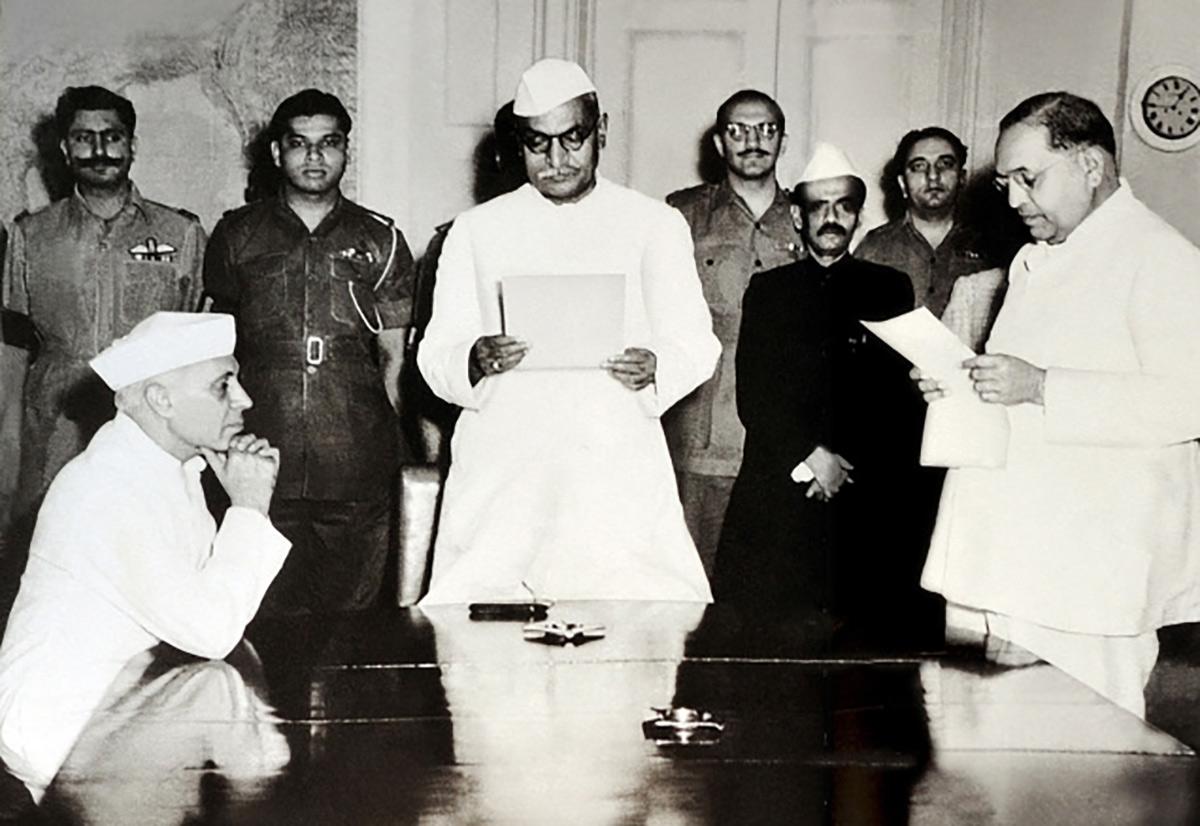
Dr Ambedkar was appointed Independent India's first law minister and later as the chairman of the Constitution drafting committee. The latter saw him lead the team the drafted India's Constitution, which was adopted by India on January 26, 1950.
As law minister, Dr Ambedkar was also involved with the Hindu Code Bills that sought to codify and modernise the multiple Hindu customs and laws prevailing across India. The modernisation aspect with new laws banning polygamy and allowing women to divorce their husbands incensed conservative Hindus, and the bills were not passed by Parliament. Dr Ambedkar resigned as law minister in October 1951.

In the early 1950s, Dr Ambedkar once again began devoting attention to Buddhism, travelling to Sri Lanka and Burma, two neighbouring nations where Buddhists are in a majority.
In 1950, while dedicating the a vihara near Pune, Dr Ambedkar declared he was writing a book on Buddha and once that book was completed, he would convert to Buddhism.
In 1955, Dr Ambedkar founded the Bharatiya Baudhha Mahasabha (Buddhist Society of India).
1956 was an important year for Buddhism: It was celebrated across India and Southeast Asia to mark the 2500th death anniversary of Buddha.
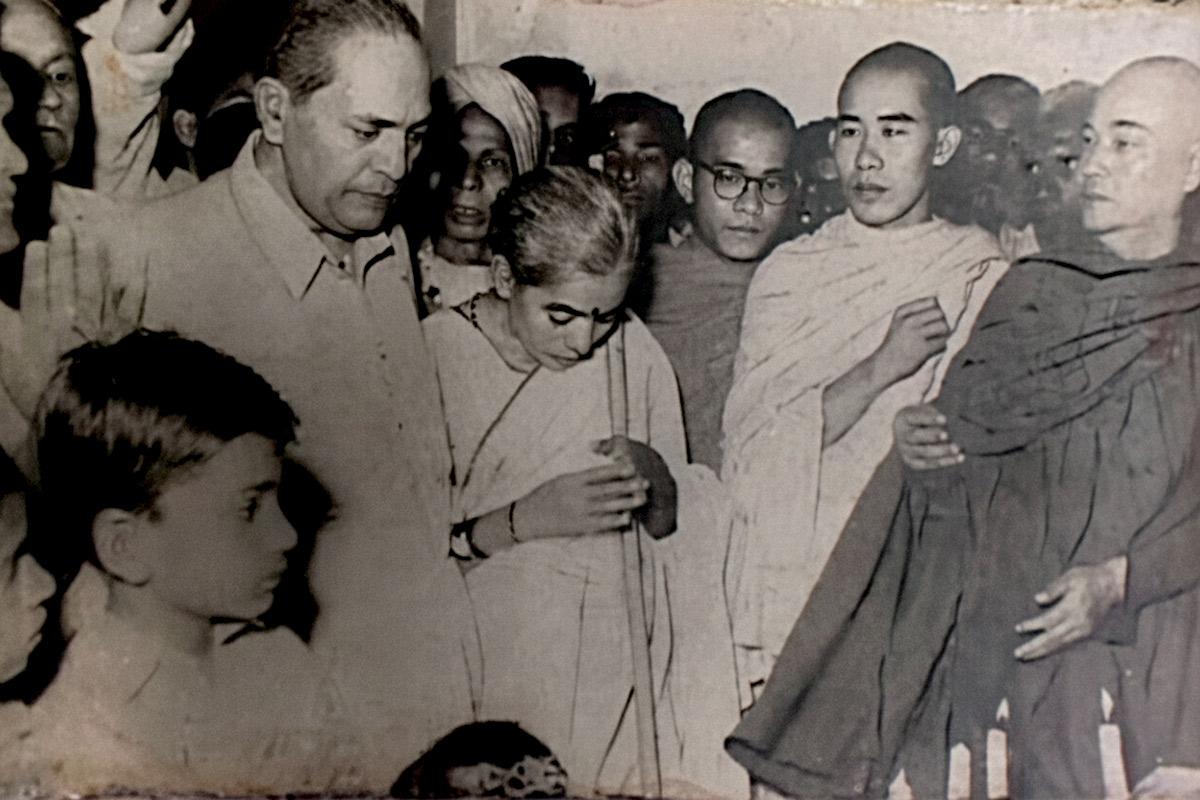
Later that year, Ambedkar completed his book on the Buddha and led thousands of his followers to embrace Buddhism on Sunday, October 14, 1956 at a ceremony in Nagpur.
The ground has since then become a pilgrimage spot, known as Deekshabhoomi.
Dr Ambedkar also declared that he and his followers would follow a new sect, Navayana, thus avoiding the conflicts of the Thervada, Mahayana, and Vajrayana sects. All the new converts had to take vows, including not worshipping Hindu gods and goddesses.
Two days later, he would convert thousands more into Buddhism. Most of the converts were from the states of Maharashtra, the state of Dr Ambedkar, and Uttar Pradesh, which had a strong Adi-Dharma movement right from the early 20th century.
Across the rest of India, conversion to Buddhism was somewhat muted, and Buddhists comprise about 1% of India's population.
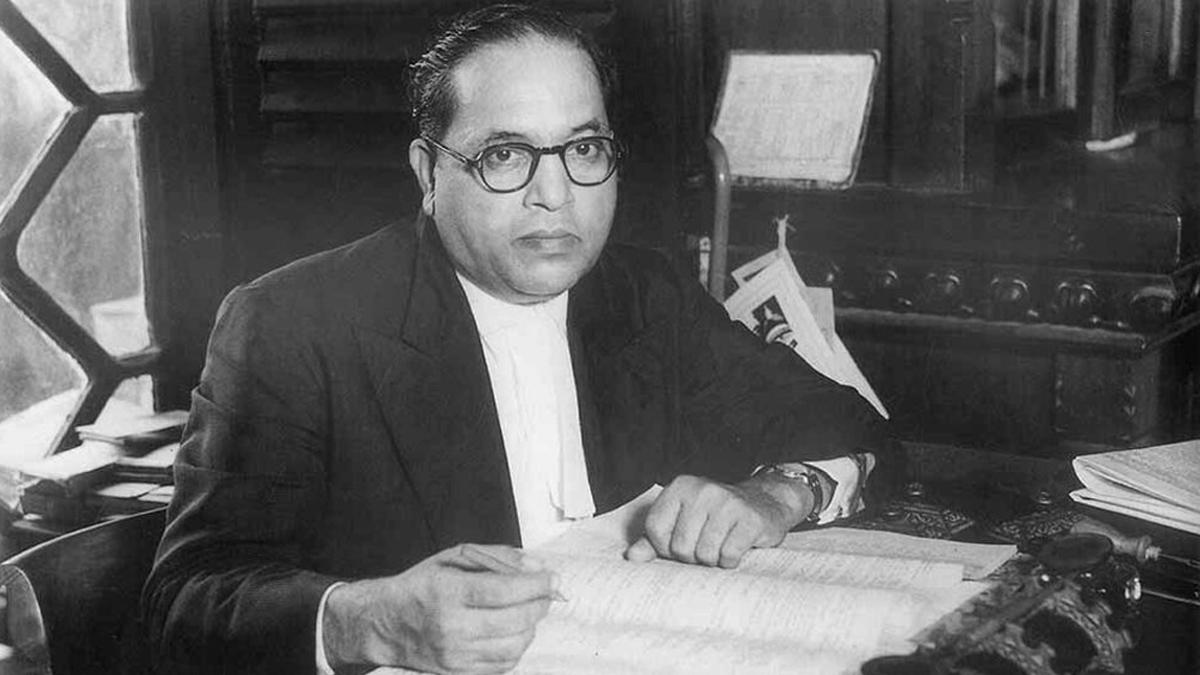
Less than two months after becoming a Buddhist, on December 6, 1956, Dr Ambedkar would pass into history. His book on Buddha was published posthumously.
Photographs curated by Manisha Kotian/Rediff
Feature Presentation: Rajesh Alva/Rediff