
'Trump has personally weighed in to overcome doubts and reservations about Pakistan among his top advisors.'
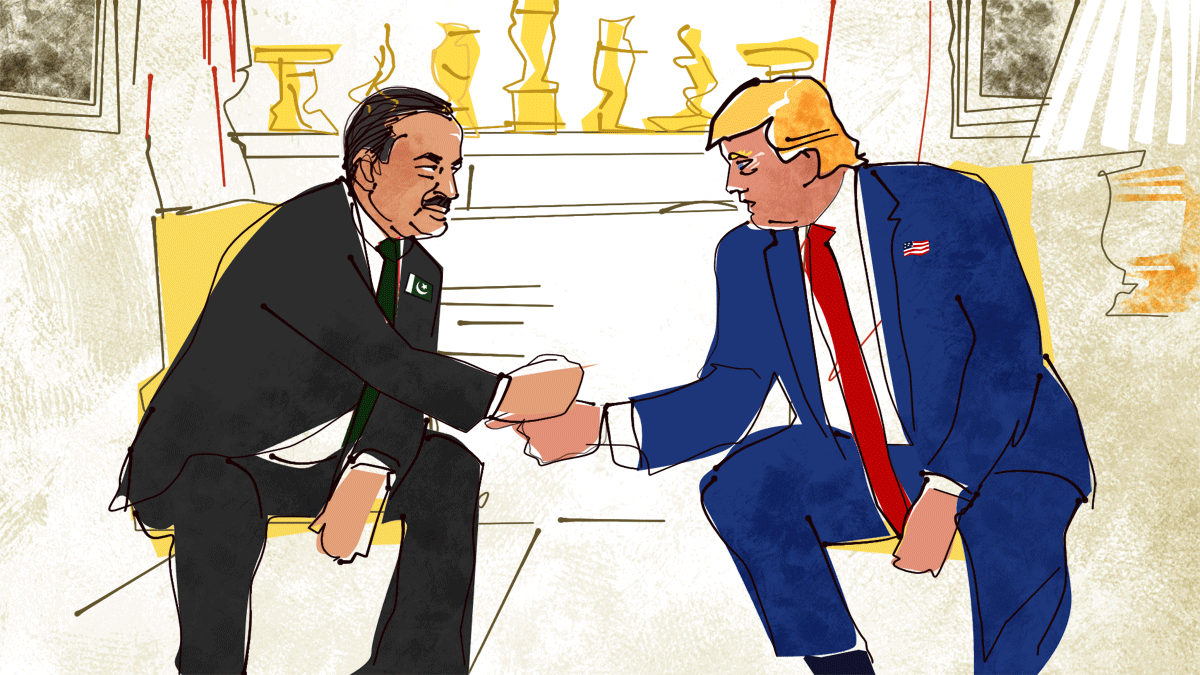
"Clearly, not all of the US national security bureaucracy is onboard with cultivating closer relations with Pakistan, so the relationship is very likely to rise or fall -- like so much else -- on President Trump's personal whims," assesses Daniel S Markey.
Dr Markey -- senior advisor on South Asia at the United States Institute of Peace, the Washington, DC-based think-tank -- is one of America's most astute observers of the India-Pakistan-US relationship.
Dr Markey is also a senior fellow at the Johns Hopkins University's School of Advanced International Studies Foreign Policy Institute. From 2007 to 2015, Dr Markey was a senior fellow for India, Pakistan, and South Asia at the Council on Foreign Relations. From 2003 to 2007, Dr Markey was a member of the US State Department's Policy Planning Staff, focusing on US strategy in South Asia.
"It is highly unlikely that President Trump's closer ties with Pakistan pose a serious threat to India; concrete areas of US-Pakistan cooperation are still far less than they were only a decade ago, even if Indian leaders find President Trump's rhetoric extremely galling," Dr Markey tells Rediff's Nikhil Lakshman in the concluding segment of a two-part interview.
What do you make of the Trump administration's sudden fondness for Syed Asim Munir and Pakistan?
The lure of cryptos, Rawalpindi as an intermediary with Iran's ayatollahs, resuming a security arrangement to keep tabs on Afghanistan and ISIS-Khorasan: What would you attribute as the motivations for President Trump cultivating the field marshal?
Pakistan has taken an 'anything goes' approach to cultivating closer ties with the Trump administration and with President Trump personally.
Pakistan's early gift (external link) of the Abbey Gate bombing plotter to US custody set the tone for Pakistan's cooperative overtures that have indeed extended to cryptocurrency, critical minerals, trade negotiations, and oil exploration.
Field Marshal Munir has also engaged in some shuttle diplomacy with Iran and, conceivably, could be open to conversations about how Pakistan might be helpful to other US efforts in the Middle East.
Although it is impossible to discern which of these -- or other -- Pakistani efforts was the one to tip the scales in Pakistan's favour, I understand that President Trump has personally weighed in to overcome doubts and reservations about Pakistan among his top advisors.
Clearly, not all of the US national security bureaucracy is onboard with cultivating closer relations with Pakistan, so the relationship is very likely to rise or fall -- like so much else -- on President Trump's personal whims.
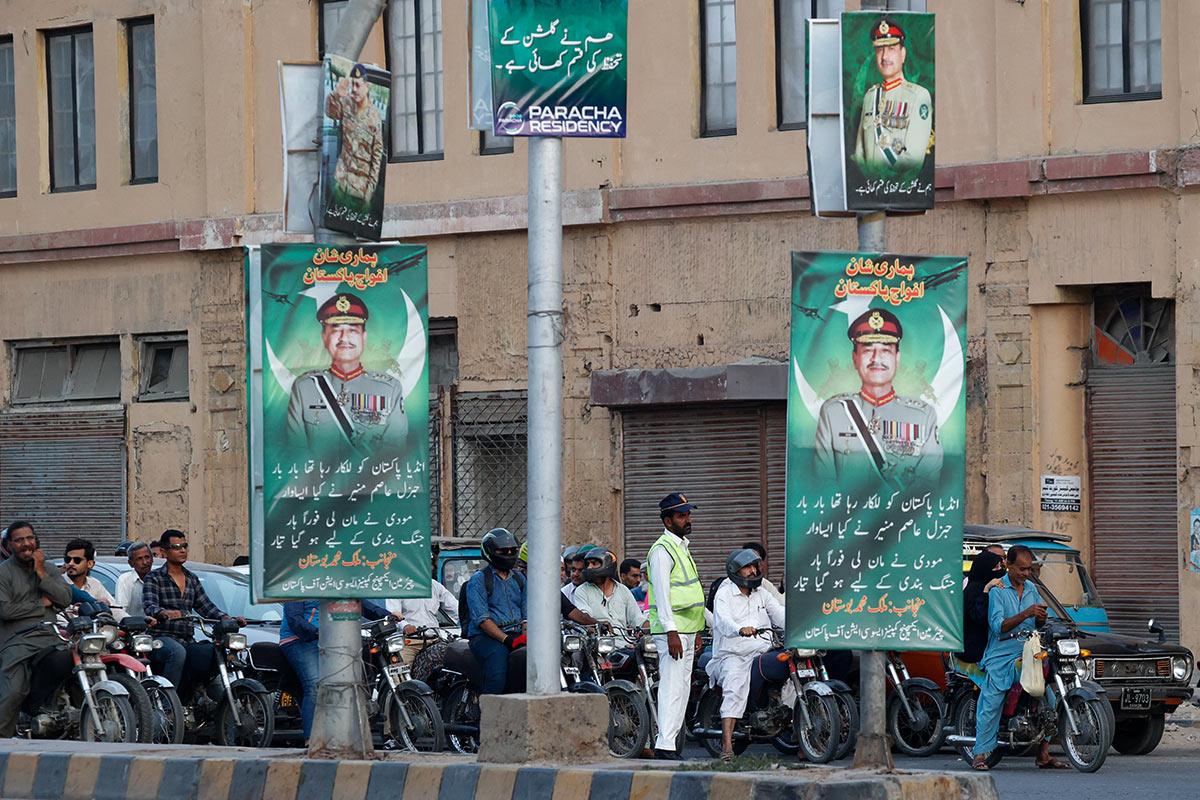
Has India more reason to be worried by this Washington-Rawalpindi nexus than it has to from Mr Trump's almost daily castigations of India?
Could this Washington-Rawalpindi equation undermine what New Delhi and Washington have carefully built over a quarter of a century?
India will have to decide for itself what it can and cannot accept in terms of a US-Pakistan relationship.
From my perspective, it is highly unlikely that President Trump's closer ties with Pakistan pose a serious threat to India; concrete areas of US-Pakistan cooperation are still far less than they were only a decade ago, even if Indian leaders find President Trump's rhetoric extremely galling.
It is highly unlikely, for instance, that Washington and Islamabad will reopen the door to major defence transfers and assistance.
Actually, the deeper threat to the US-India relationship would come if the Trump administration fundamentally rethinks the nature of US competition with China and, in so doing, no longer perceives India as a necessary strategic partner in that global geopolitical contest.
The bottom line is that India could, if it chooses, dismiss US-Pakistan ties as of only marginal significance. But that is more easily said than done, given the fraught politics of the issue.
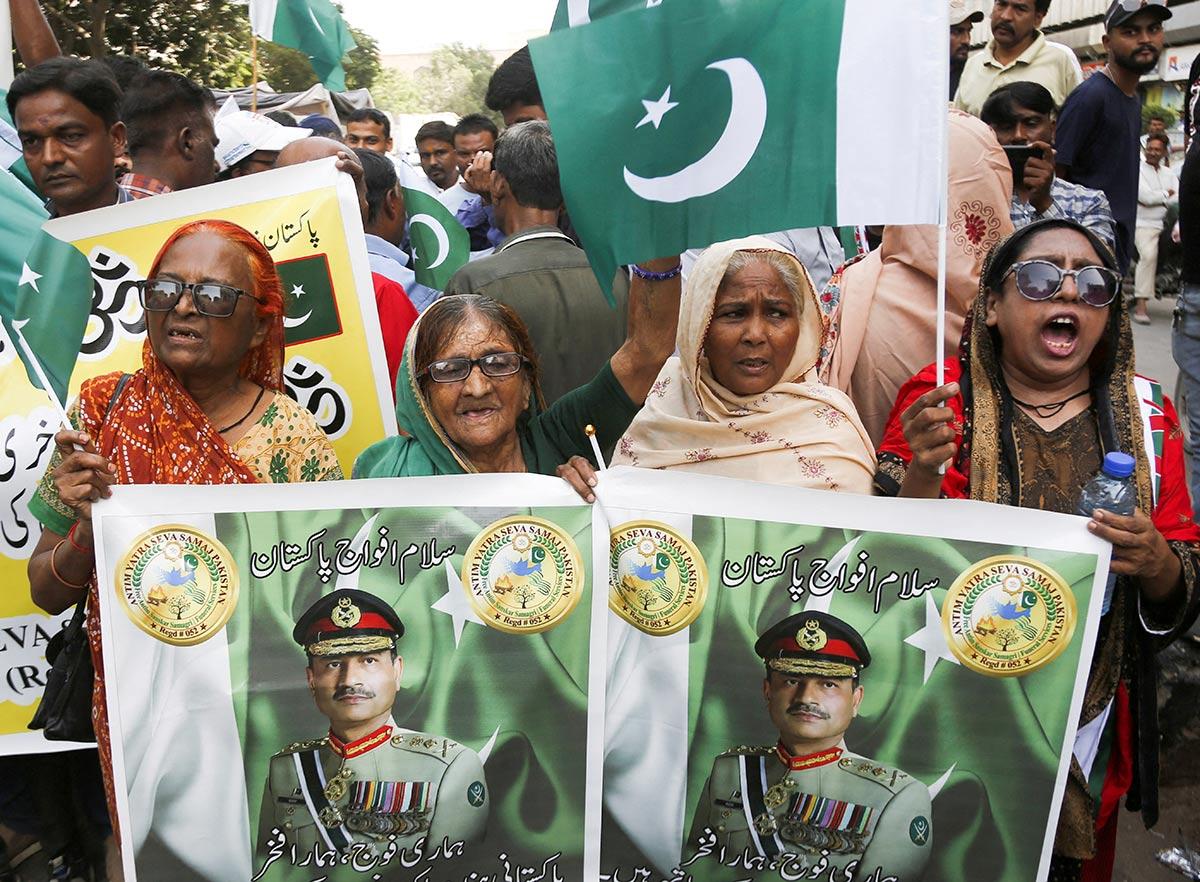
Did New Delhi not read the tea leaves right after Operation Sindoor when Rawalpindi played its cards better not only in the way it reached out to Secretary of State Marco Rubio about urging US intervention in ending the conflict, but then pandering to Mr Trump's ego by telling him that he deserved a Nobel Peace Prize for ensuring a ceasefire?
Were India's diplomats unwilling to demonstrate flexibility since it would violate one of the cardinal elements of Indian statecraft -- that no outside mediation was acceptable on Kashmir?
I know that India's diplomats have come under some fire at home, with critics suggesting that they misplayed Washington in a number of different ways. And it is true that Pakistan has shrewdly played its cards, partially by pandering to the President's ego, and partially by taking advantage of what appears to be the Trump administration's limited appreciation or understanding of India's posture or the long history of India-Pakistan hostility.
However, nearly every world leader -- including both US allies and adversaries -- has struggled mightily to navigate ties with President Trump. To blame India's diplomats, their policies, or their methods would understate the nature of the challenge they face.
An Indian diplomat told Milan Vaishnav of the Carnegie Endowment that while New Delhi has access to the White House, Rawalpindi has access to Mar a Lago.
In your assessment, has Pakistan outmanoeuvred India in appealing to a famously transactional president by luring him with what it can give him, his family and maybe America?
Do you think, while adhering to the canon of strategic autonomy, India's rulers and diplomats need to be more adroit while dealing with Mr Trump?
Every country is seeking to be 'more adroit' in dealing with President Trump, but India's leaders will have to judge whether extreme adroitness would force them to cross lines they will soon come to regret.
Odds are that President Trump will depart the White House in less than four years. Where does India wish to be at the end of that era? Moreover, we are less than a year into Trump's term; what new demands will come next year or the year after?
India may be wiser to play a longer game.
With respect to India's strategic autonomy, India's recent experience of conflict with Pakistan demonstrated some of the downsides associated with that strategy.
Just as India has chosen to avoid taking sides on other conflicts, especially the Russian war against Ukraine, much of the world refused to take India's side against Pakistan.
Going it alone is easy in times of peace and prosperity, while allies bring burdens. But allies show their value at times of adversity.
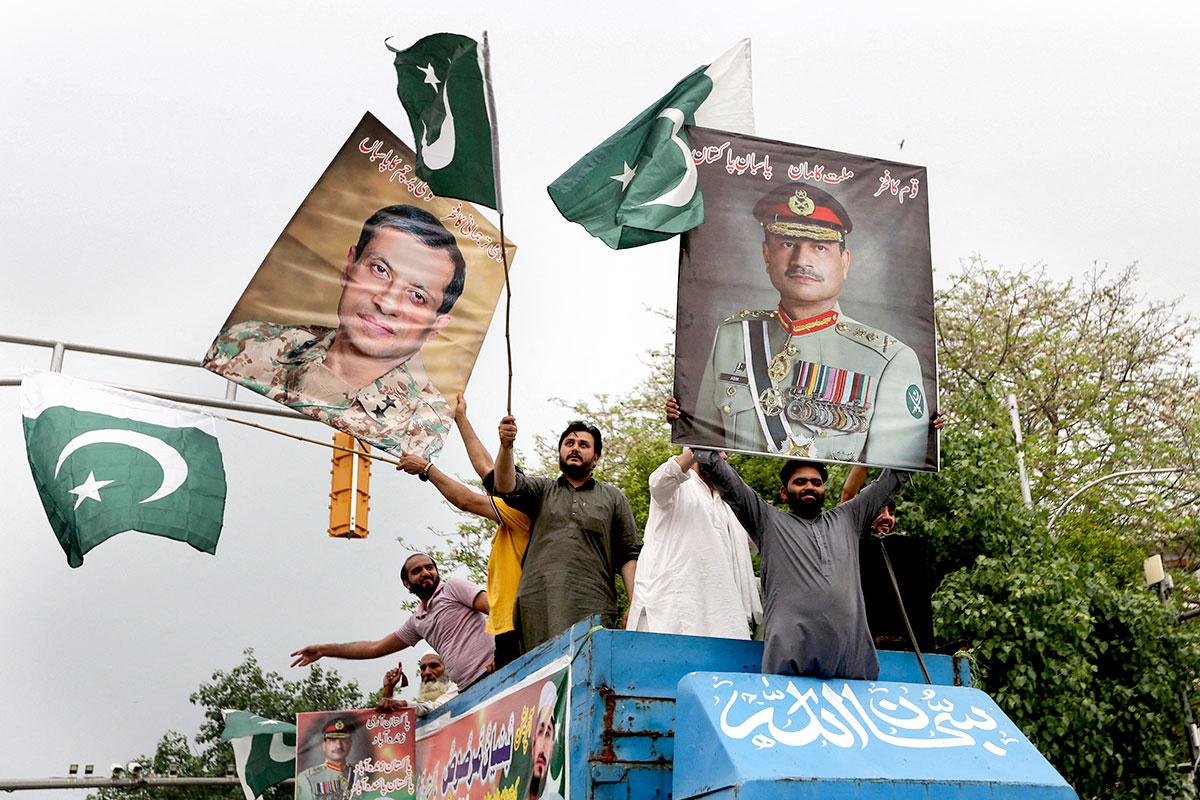
How do you see the Pakistan-US relationship in the short term? What are the signs that we need to look out for very carefully, for better or for worse?
For US-Pakistan relations, I will be looking for more clues about what factors are really driving Trump's new appreciation for Asim Munir.
Above all, I am watching whether Pakistan has pledged to be helpful in the Middle East, starting with Iran, but also -- and this would be a blockbuster -- on a broader deal to reinforce the Abraham Accords and create new options in Gaza.
At this moment I don't expect much, but Munir's two visits to the United States are so uncharacteristic that I can't help but think something else is afoot.