
Dr Rituja Ugalmugle, internal medicine specialist, Wockhardt Hospitals, lists simple remedies to prevent summer-related ailments.
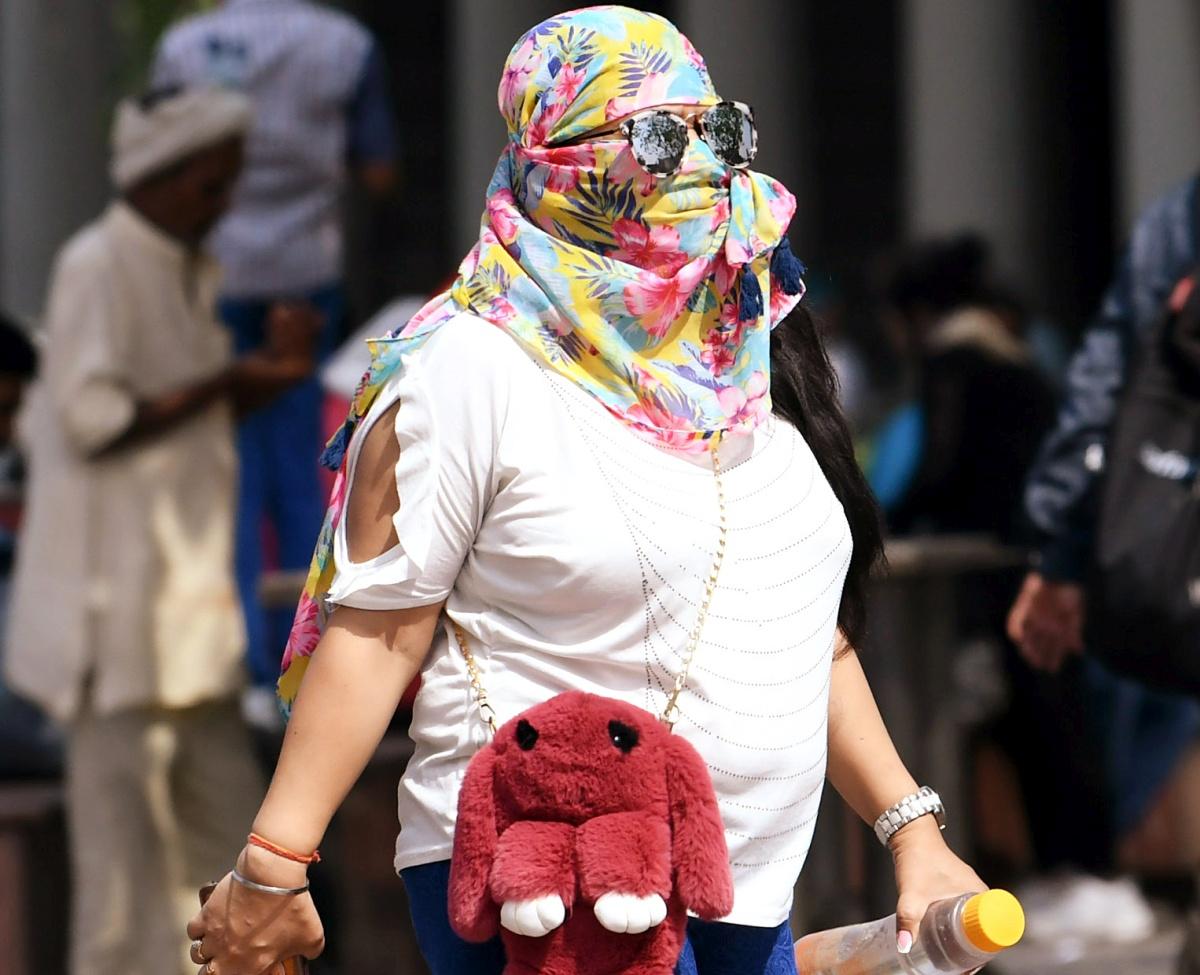
When the sun pounds down at well over 40 degrees Celsius, it can severely impact your health.
From dehydration to food poisoning, the heat brings its own set of disadvantages.
Here are 10 health risks to watch out for, along with tips on how to avoid them:
1. Heatstroke
When the body heats up and does not have an opportunity to cool down, it causes symptoms such as fever, dizziness, nausea, confusion and even unconsciousness.
Sufficient hydration is important to protect yourself from heatstroke.
What you must do
2. Dehydration
Sweating extensively results in the body losing water and necessary salts, making you feel weak.
Dryness of the mouth and giddiness are common symptoms of dehydration.
What you must do
3. Food poisoning
The rising heat can cause food to spoil early, which can lead to food poisoning.
Spoiled or stale food causes infection of the stomach, diarrhoea and vomiting.
What you must do
4. Sunburn
If you step out too often in the sun without protection, you may get sunburn.
You may experience redness of skin, pain and/or layers of skin peeling off.
What you must do
5. Prickly heat
Heat rash or prickly heat is the aggravating itch that occurs when perspiration is lodged beneath your skin, especially if it's sultry and balmy outside.
You will notice red rashes consisting of tiny lesions.
What you must do
6. Water-borne diseases
With summer, there is a higher risk of waterborne diseases like cholera, typhoid and diarrhoea due to the consumption of contaminated water.
What you must do
7. Conjunctivitis
The likelihood of this eye infection increases during the summer because of excessive heat, poor hygiene and dust.
You may experience redness in your eyes, along with irritation and pain.
What you must do
8. Vector-borne diseases
When monsoon follows immediately after peak summer, or if there is stagnant water around, vector-borne diseases such as dengue, malaria and chikungunya are a bigger threat.
Stagnant water can be an ideal breeding ground for mosquitoes.
What you must do
9. Urinary tract infections
In summer, because of dehydration and profuse sweating, most individuals limit urination, allowing bacteria to multiply; this leads to increased cases of urinary tract infections (UTIs).
What you must do
10. Dust allergies
With the rise of dust and pollen, summer is bad for allergies.
Patients with asthma and other respiratory disorders need to be extra careful.
What you must do
As summer begins, it's time to be careful and prioritise your health.
By following simple precautions, you can have a great season without getting sick.
Have adequate water and liquids, eat seasonal foods and guard your skin against the sun.
A little caution goes a long way in avoiding summer infections.