
Scientists at CSIR-CCMB have decoded the molecular mechanisms behind how plants use 'sticky' protein droplets to trap and disable invading viruses, potentially leading to more resilient crops and new treatments for human diseases like dementia.

The Supreme Court observed on Tuesday it is more concerned about the risk factors than anything else when it comes to the conditional approval granted by the Centre for environmental release of genetically modified (GM) mustard. On October 25 last year, the Genetic Engineering Appraisal Committee (GEAC) under the Union environment ministry had approved the environmental release of transgenic mustard hybrid DMH-11 and the parental lines containing barnase, barstar and bar genes so they can be used for developing new hybrids. The apex court is hearing separate pleas by activist Aruna Rodrigues and NGO 'Gene Campaign' seeking a moratorium on the release of any genetically modified organisms (GMOs) into the environment pending a comprehensive, transparent and rigorous bio-safety protocol in the public domain conducted by agencies of independent expert bodies the results of which are made public.
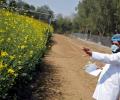
There has been strong opposition from organisations influential with the government against approval to GM foods.

Modi government is pushing GM food crops without adequate safety assessment and transparency, claim activists.
 © 2026 Rediff.com - Advertise with us - Disclaimer - Privacy Policy - Sitemap - Feedback - About us - Terms of use - Grievances