
S L Bhyrappa, who passed into the ages last week, remains an enigma, with his clear and unwavering voice resonating through his writings.
Standing apart from the literary trends over the course of the last fifty years, he succeeded in establishing his own style, sensibility and creative tradition, points out Shridhar C R.

The Kannada novel, which began in the late 19th century, developed as a modern literary form influenced by both Western narrative styles and native storytelling traditions.
It emerged as a medium to portray social realities, cultural changes, and the complexities of human emotions in a rapidly transforming society.
Over time, the Kannada novel has become a powerful genre for exploring themes of tradition versus modernity, caste, gender, politics, and spirituality, a trajectory that reaches its finest expression in the works of S L Bhyrappa, who deepens these concerns with philosophical insight and historical imagination.
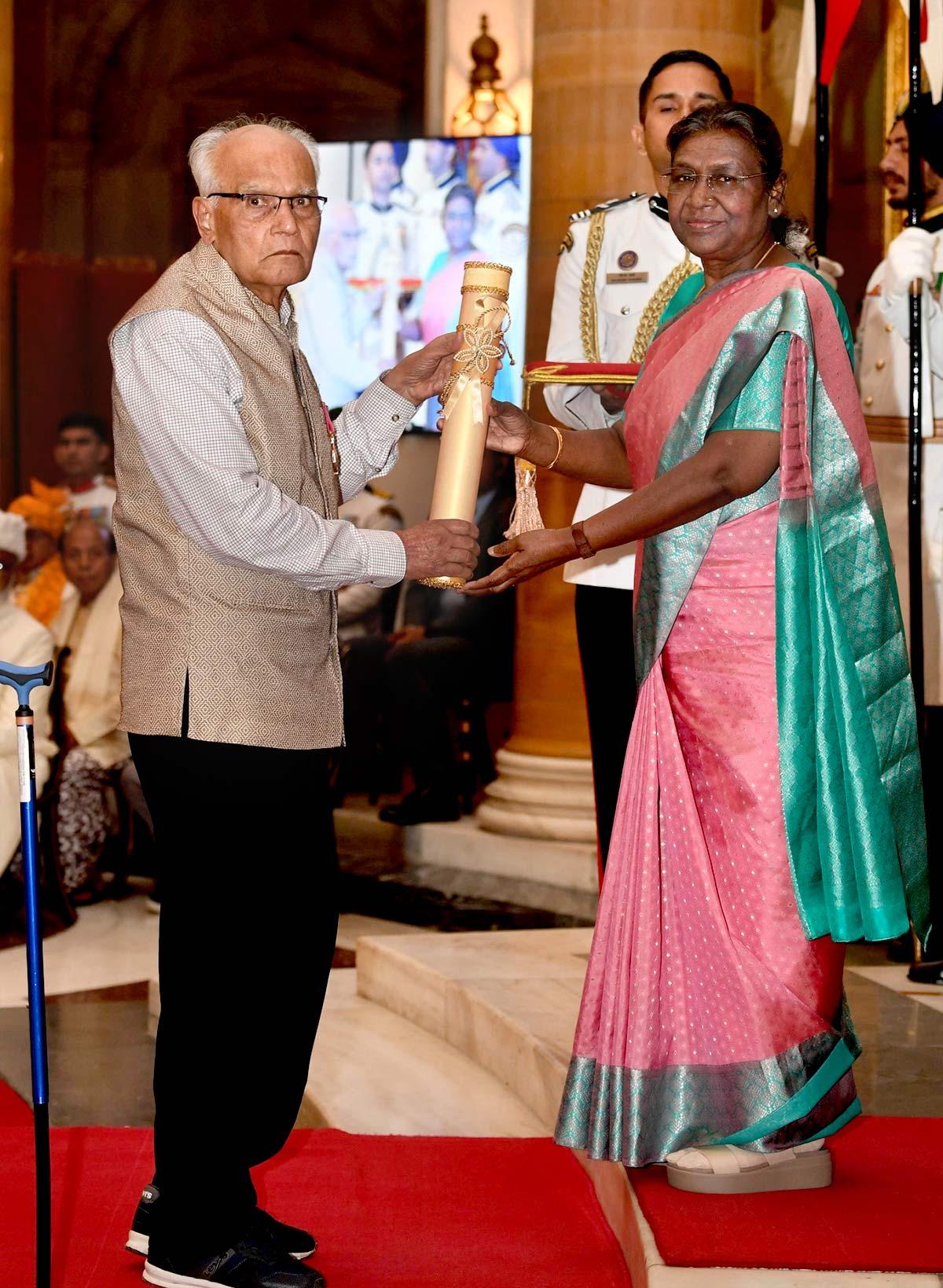
From its very inception, the Kannada novel became a platform to articulate the conflicts between tradition and modernity and to examine the shifting identities of the individual in a changing society.
The Navodaya writers infused their works with nationalistic fervour and reformist zeal, seeking to shape collective consciousness, while the Navyas turned inward to portray the alienation and disillusionment of the post-independence individual.
In parallel, the Pragatisheelas foregrounded questions of inequality and oppression, making social justice the core of their narratives.
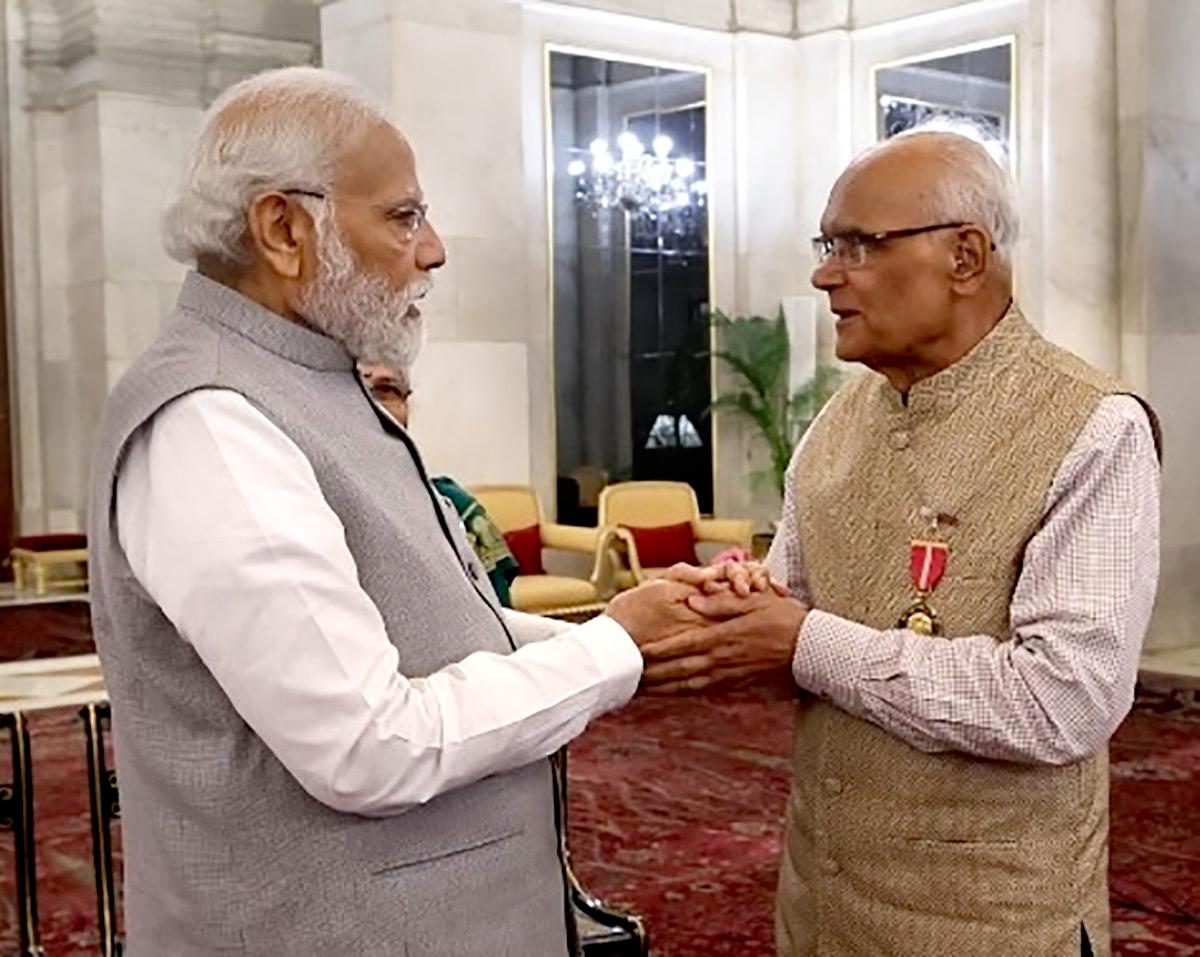
S L Bhyrappa, often interacting with the above streams, became a unique storyteller with a keen eye on the nature of human relationships and the changing social realities.
Born in Santeshivara, a village in present day Hassan district of Karnataka, Bhyrappa endured poverty and humiliation during his early years.
The small village witnessed Bhyrappa and his mother struggle against the plague pandemic, while he grew up as an inquisitive child.
His mother's early demise, father's irresponsibility and everyday struggle to fill the stomach did not deter him from the path of learning.
Instead, it made the young man seek answers to the deeper questions of life.
This quest nudged him towards the study of philosophy at both graduate and postgraduate levels.

If Bhyrappa first encountered philosophy in search of an answer to poverty and hunger, another world had accompanied him from birth.
The world of music, myths, belief systems and an intricate web of human relationships.
This cultural inheritance offered him stories that he eagerly shared with his friends, even inspiring him to write a novel during his high school days.
Thus, two intellectual forces began to shape his early journey: The depth and debate of philosophy on one side, and the imaginative power of storytelling on the other.
While philosophy fascinated him with its probing questions about existence, he soon recognised his own ability to craft compelling narratives that reflected society.
The Kannada literary world is fortunate that Bhyrappa chose the latter path, while retaining the inquisitiveness and analytical rigour of a philosopher.
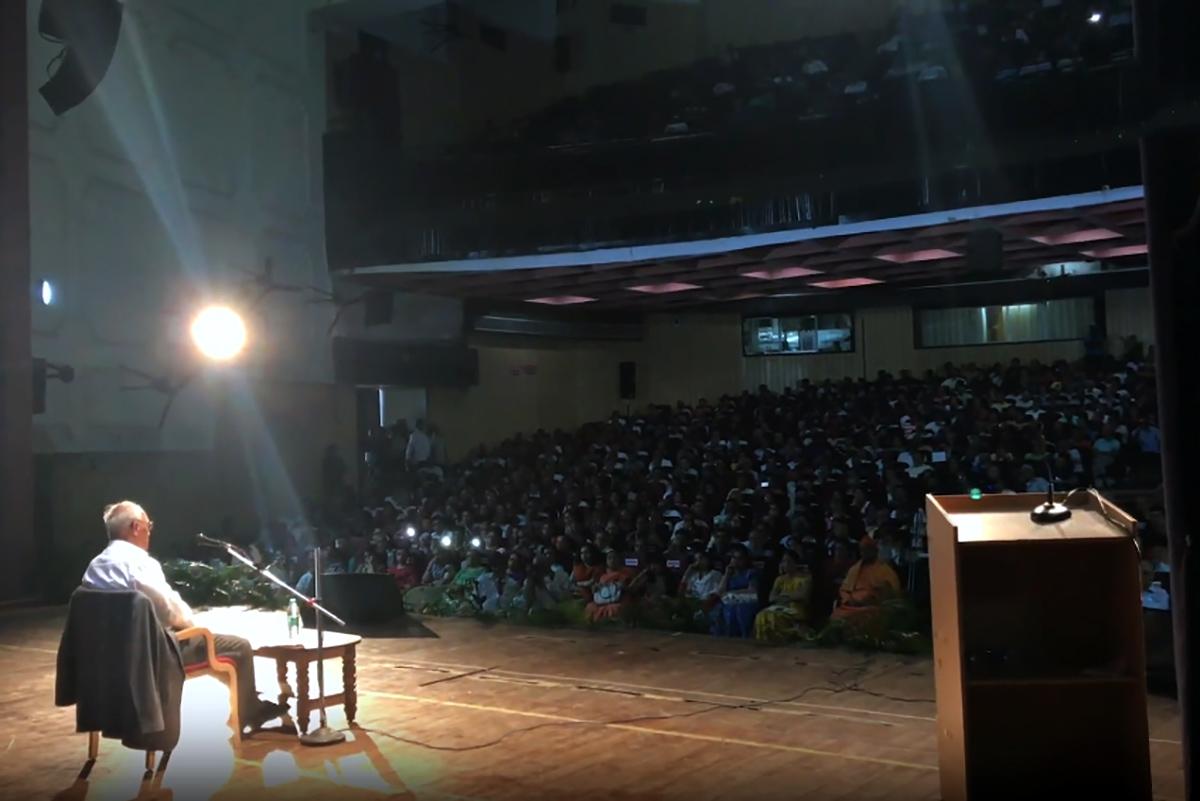
In the initial days of his writing career, Bhyrappa saw himself as a literary creator who could shine light upon the shortcomings of his society.
His first novel Dharmashree takes up the sensitive question of conversion and in Matadaana (1965) the age-old conflict between principles and power politics which is acted out in the new India.
Vamshavruksha (1965) liberated Bhyrappa from the image of an activist and set him as a nuanced chronicler of complex human emotions.
He began to explore how modernity, with its innumerable means, penetrates cultural spaces and redefines traditions.
The story of Tayavva in Tabbaliyu Neenade Magane (1968) represents such a cultural world where transformation is inevitable and also painful.
After Gruhabhanga, (1970) which can be read as a semi-autobiographical novel and considered to be his finest work, Bhyrappa began to consider writing as a means to understand the truth of human life.
Daatu (1973) speaks of crossing the socially created boundaries of caste and creed in search of the truth.
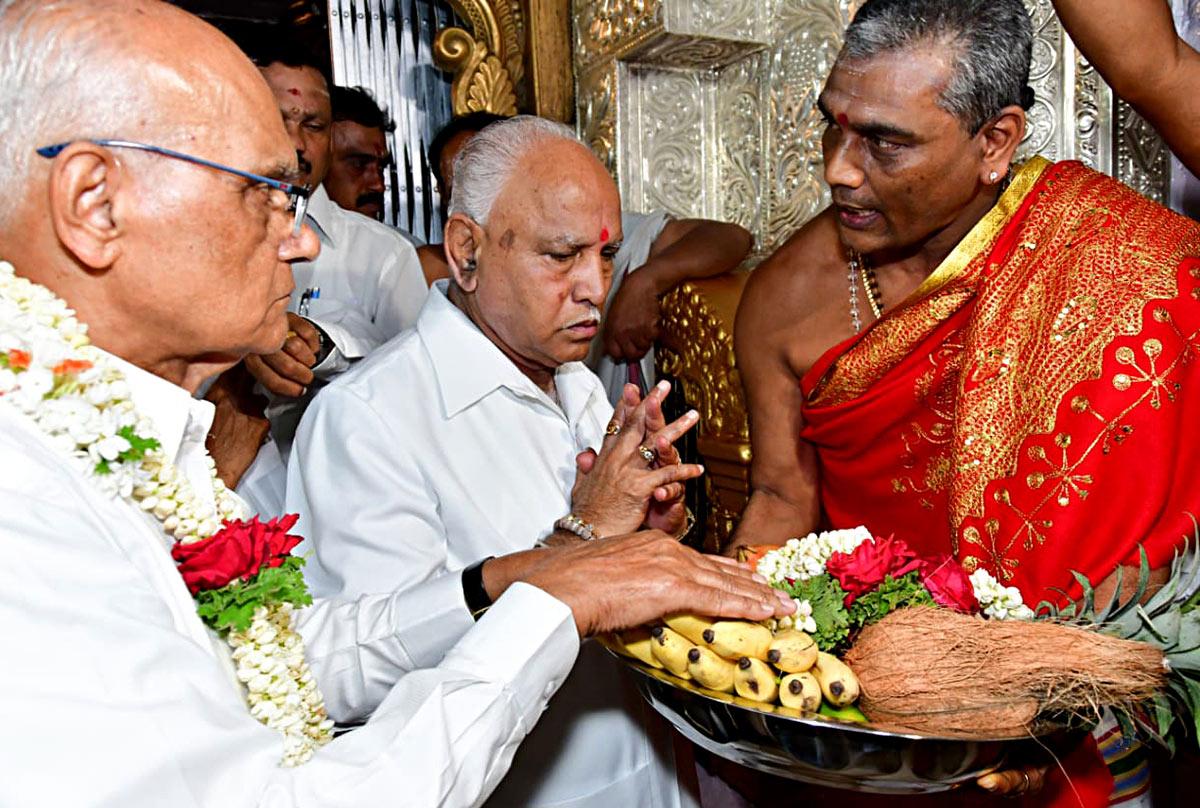
Among his oeuvre, Parva (1979) stands apart as a unique endeavour which dared to let go of the mythical elements of the Mahabharata and treat the narrative from an anthropological perspective.
His last novel Uttarakanda (2017) was a retelling of the Ramayana from Seetha's perspective.
Bhyrappa's creative journey was not devoid of controversies. Two of his works Avarana (2007) and Kavalu (2010) saw the Kannada literary world engage in a heated debate over their ideological leaning.
In the latter part of his creative journey Bhyrappa sought to blur the difference between fiction and historical narratives (he began giving bibliography of the works he consulted and also claimed in interviews that the details he gave were historically accurate) and faced criticism that he was presenting a partial view of history.
Despite that, Bhyrappa was unarguably one of the finest craftsmen of the Kannada novel.
In terms of readership, he is unsurpassed in Karnataka.
Standing apart from the literary trends over the course of the last fifty years, he succeeded in establishing his own style, sensibility and creative tradition.
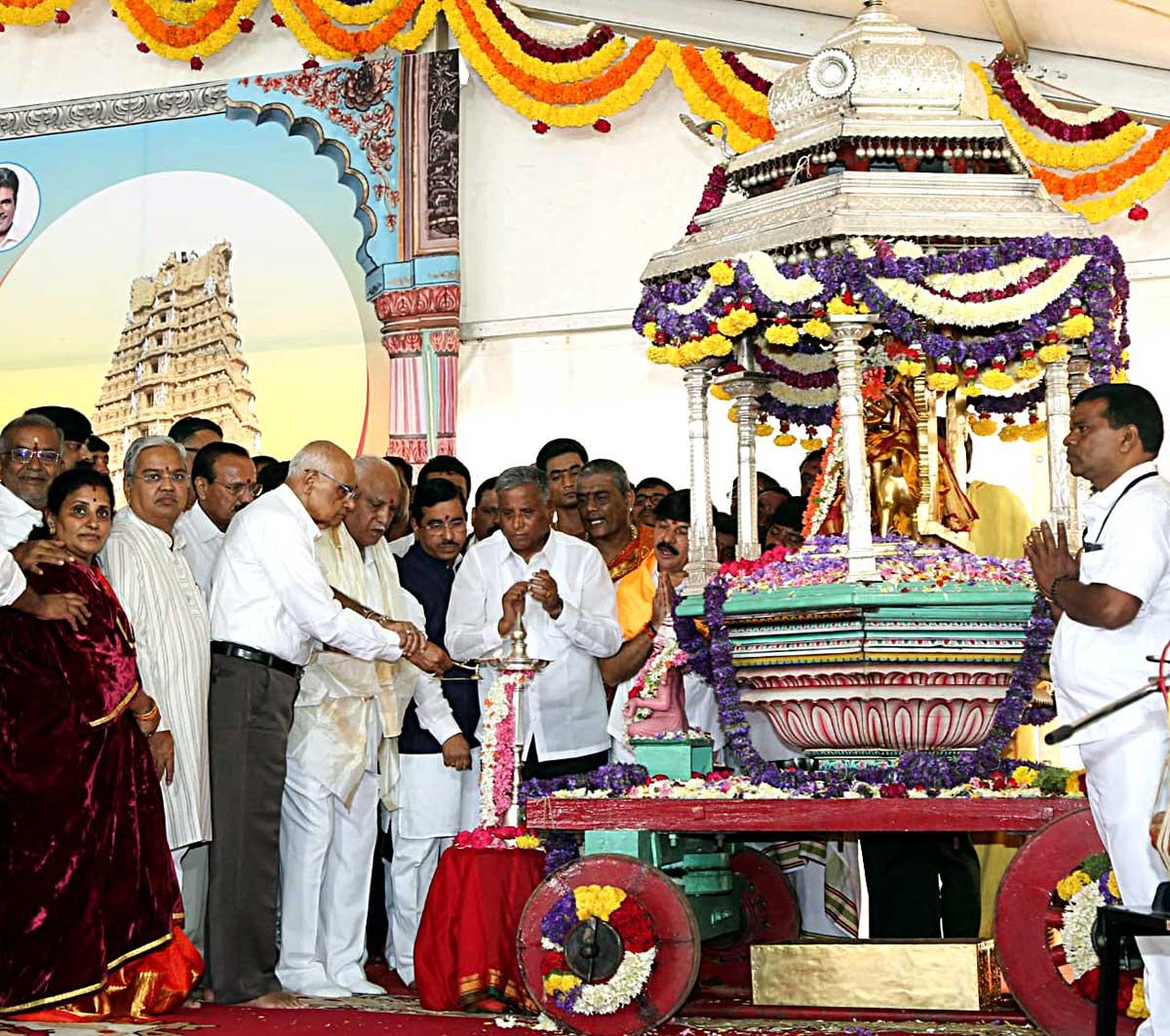
He won numerous awards, including the Saraswati Samman, the Kendra Sahitya Akademi Award and the Padma honours.
Yet, his name often comes to the forefront for the awards he has not received.
One can say that Bhyrappa is a literary figure widely read but less reviewed and rarely prescribed in a university curriculum.
Unlike other stalwarts like Kuvempu, K Sivarama Karanth and his contemporaries U R Anantamurthy and Girish Karnad a comprehensive critical engagement with his works is yet to come.
Exploring reasons for that would be the subject for another article.
Yet, in his physical absence, Bhyrappa continues to remain an enigma, with his clear and unwavering voice resonating through his writings.
Shridhar C R is Assistant Professor, GFGC, Bellavi, Tumkur, Karnataka.
Photographs curated by Manisha Kotian/Rediff
Feature Presentation: Aslam Hunani/Rediff