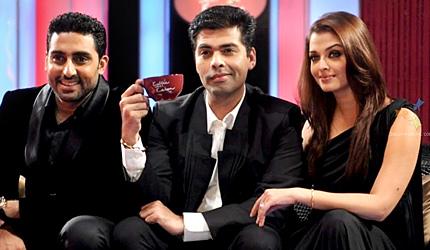
As AI deepfakes threaten star personas and commercial interests, celebrities approach the courts with personality rights petitions.
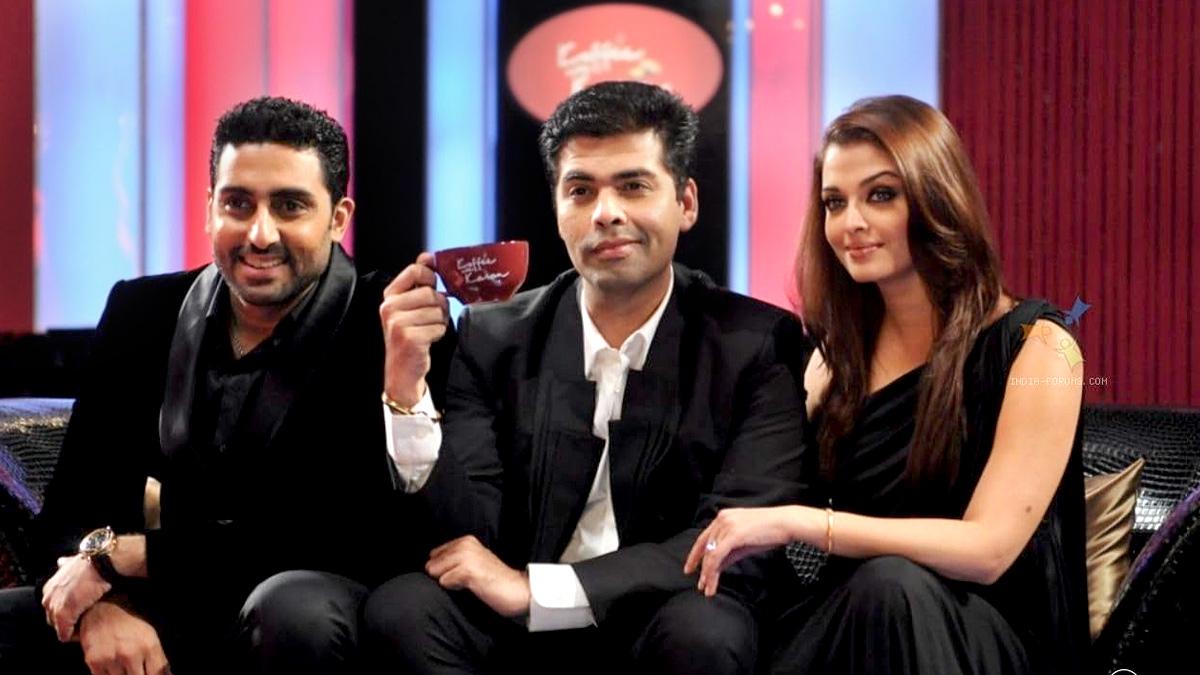
With filmmaker Karan Johar moving the Delhi high court to shield his persona from misuse, personality rights are firmly in the spotlight.
In recent months, stars from Amitabh Bachchan to Aishwarya Rai Bachchan have sought similar protection amid AI deepfakes, fake endorsements and rampant online exploitation.
Karan Johar joins the list
When Karan Johar moved the Delhi high court in September seeking protection of his personality rights, he joined a growing roster of Indian celebrities -- from Amitabh Bachchan to Aishwarya Rai, Abhishek Bachchan, Jackie Shroff and Anil Kapoor -- who have asked the courts to shield their names, faces, and voices from misuse.
This surge reflects both technological disruption and legal flux: The rise of AI-generated deepfakes, voice clones, memes, and unauthorised merchandising has made personality rights a pressing frontier of Indian law.
What exactly are personality rights?
Personality rights are the exclusive rights individuals have over their identity and attributes. This includes:
• Name and likeness (face, photographs, videos)
• Voice, signature, catchphrases
• Gestures, mannerisms or other unique identifiers
In plain terms: no one can use a celebrity's face to sell a product, mimic their voice in an ad, or digitally clone them for content -- without permission.
Why are they in demand now?
• AI & deepfakes: Technology makes it easy to create convincing fake videos of celebrities endorsing products or making statements.
• Brand dilution: A star's reputation -- often worth millions in endorsements -- is at risk if their persona is tied to unverified products or causes.
• Digital commerce: E-commerce platforms and social media often host unauthorised merchandise or parody content.
• Privacy & dignity: Beyond money, celebrities worry about reputational harm, ridicule, or even political misuse of their likeness.
The legal toolbox in India
India has no single Personality Rights Act. Instead, courts draw from:
• Article 21 (Right to Privacy & Dignity) -- reinforced in the Puttaswamy (2017) Supreme Court ruling.
• Publicity rights -- recognised in case law, like ICC Development vs Arvee Enterprises (2003), where control over persona was treated as a commercial right.
• Trademark law -- where names or taglines are registered.
• Passing off -- preventing misleading endorsements or false associations.
• Copyright & moral rights -- sometimes invoked for protection of creative works linked to a personality.
Most relief so far has come in the form of interim injunctions: quick, stop-gap orders to restrain unauthorised use, especially online.
Timeline: How Personality Rights Evolved in India
2017: Constitutional Foundation
• Puttaswamy vs Union of India: Supreme Court's landmark judgment recognising privacy as a fundamental right under Article 21. This became the Constitutional anchor for later personality rights petitions.
2020-2021: Growing awareness, scattered litigation
• Discussions in sports law journals and media law reviews flagged the commercial stakes: endorsements formed a major revenue stream for athletes and actors, yet Indian law lagged behind the US, where publicity rights were well established.
2022: The Bachchan precedent
• Nov 2022 -- Amitabh Bachchan vs Various (Delhi high court): Court granted a sweeping, John-Doe style injunction protecting Bachchan's name, image, voice and likeness from unauthorised use by mobile apps, lotteries, t-shirt sellers and more. This became the template case for omnibus personality rights protection.
2023: Deepfake fears surface
• Sep 2023 -- Anil Kapoor (Delhi high court): Interim order restraining misuse of Kapoor’s persona, including his famous catchphrase ‘Jhakaas’, and specifically targeting AI-generated deepfakes and GIFs. Widely reported as India’s first explicit legal response to AI-driven misuse.
2024: Expanding the net
• May 2024: Jackie Shroff (Delhi high court): Interim protection against unauthorised use of his name, image, voice, likeness, and even mannerisms or gestures. Courts again recognised potential misuse by e-commerce and AI chatbots.
2025: A flood of celebrity petitions
• Sep 2025: Aishwarya Rai Bachchan (Delhi high court): Court restrained unauthorised websites and AI tools from using her persona, ordering takedowns.
• Sep 2025: Abhishek Bachchan (Delhi high court): Interim injunction barred websites from using his name, images or voice.
• Sep 2025: Karan Johar (Delhi high court): Petition filed seeking broad protection of personality rights, underlining that misuse threatens both financial interests and personal dignity.
Key patterns:
1. Interim relief dominates: Most orders are stop-gap measures; few have resulted in final, detailed judgments yet.
2. John-Doe injunctions are common: Courts often pass blanket orders against 'unknown' defendants to curb anonymous online misuse.
3. AI named as a threat: Since Anil Kapoor's 2023 case, courts explicitly recognise deepfakes and AI as dangers to celebrity persona.
4. Balance vs free speech: Parody, satire, criticism and fan culture raise unresolved questions about where personality rights end and free expression begins.
Why it matters beyond celebrities
While stars are the first movers, personality rights touch ordinary people too. As AI tools make it easier to clone anyone's voice or face, the misuse of personal identity could affect professionals, politicians, influencers -- even private citizens.
Legal scholars warn that unless India codifies personality rights into a clear statute, courts will continue to improvise with interim orders. That leaves a grey zone where free speech, creative expression, and commercial misuse often collide.