
'Discontent is deepest among young people.'
'They are weary of inequality, exclusion, and empty promises.'
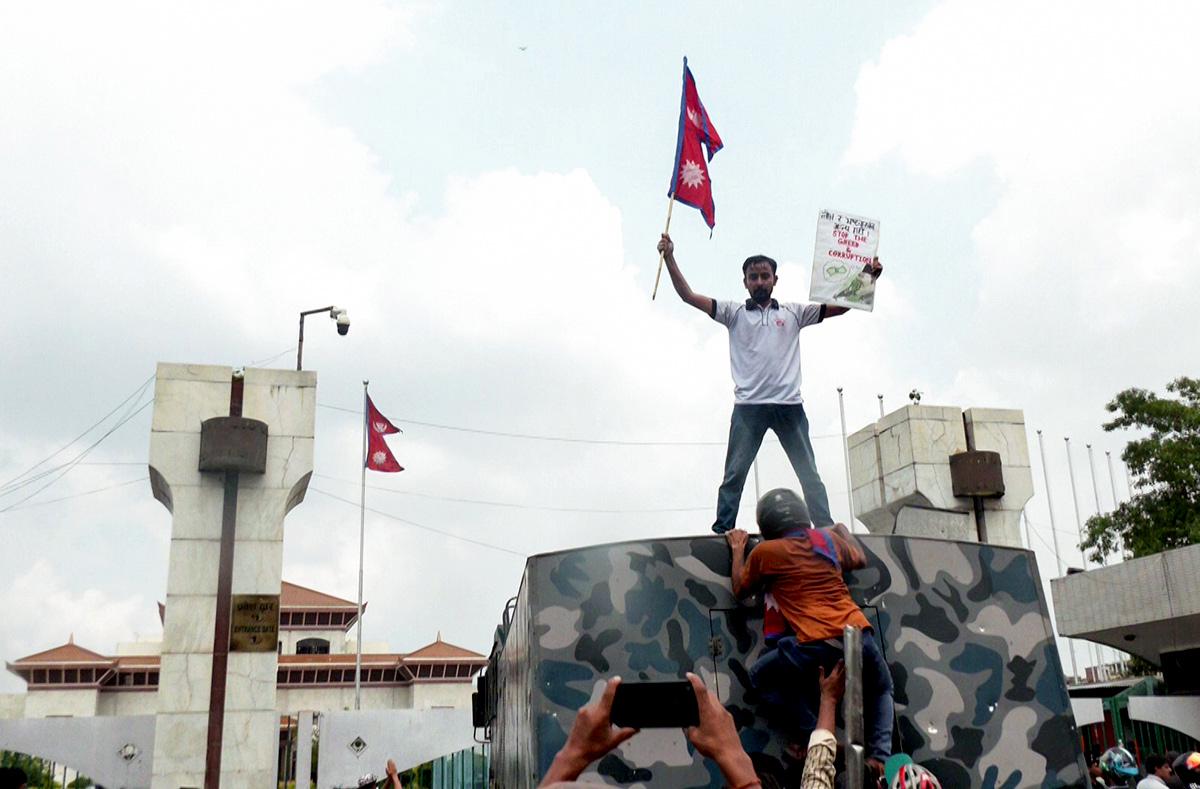
More than 8,000 miles away from Kathmandu, it's hard not to find myself witnessing the shifting emotions of the Nepali diaspora, as events back home unfold.
What began as anxious whispers over the government's ban on social media and communication platforms, lifelines that tether Nepalis abroad to family and community, soon turned into a surge of pride in the younger generation.
Gen Z, disillusioned by rampant corruption, dared to challenge the entrenched political elite, sparking hope across borders.
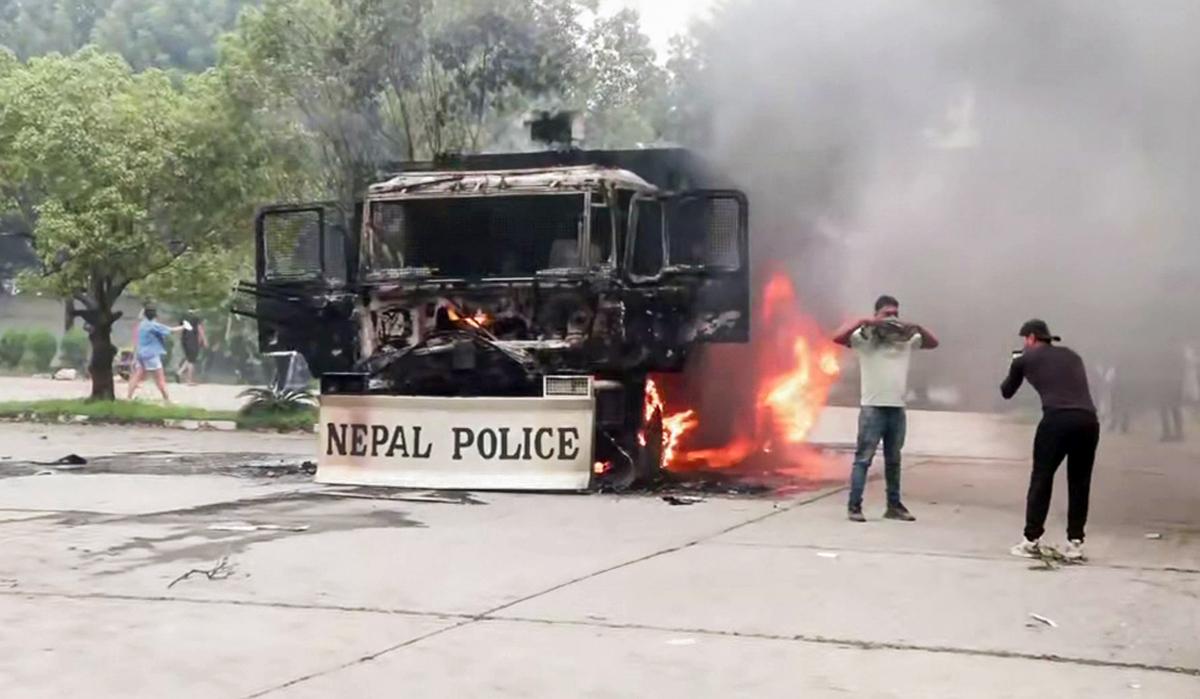
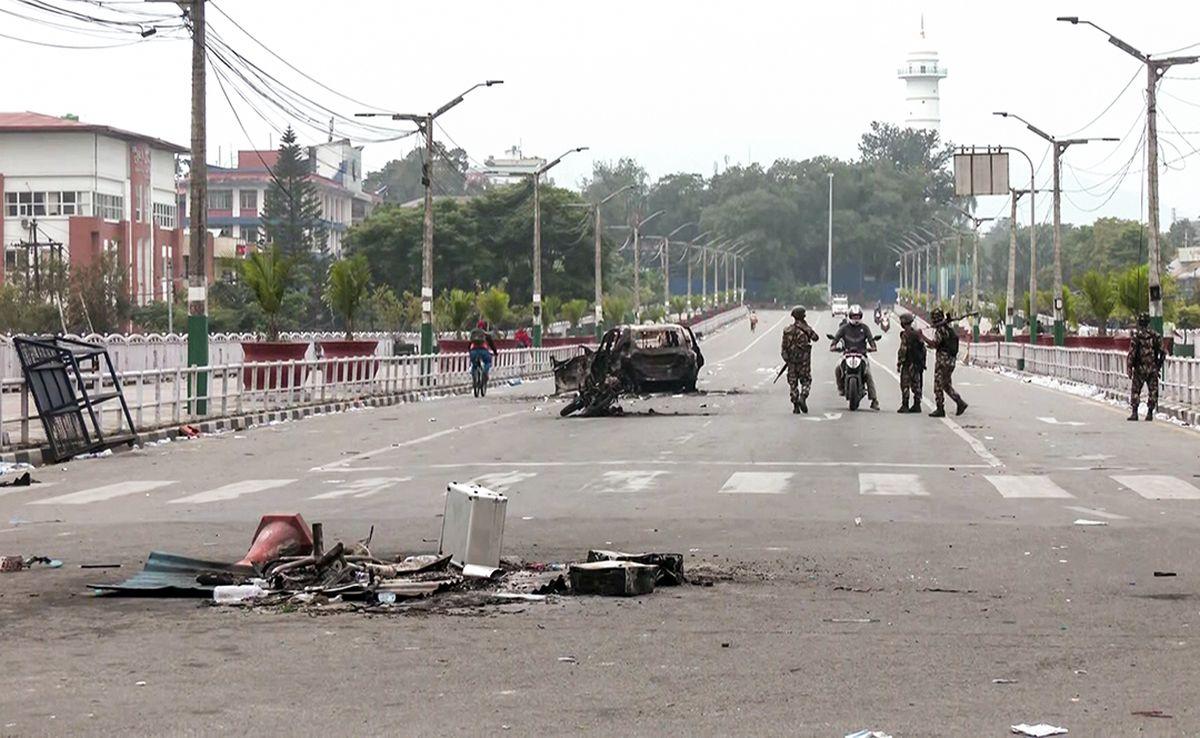
Yet that hope quickly gave way to sorrow, as news of arson and unrest surfaced.
The despair reached its peak when the Singha Durbar, the iconic palace once home to Nepal's monarchy and still a deeply symbolic landmark, went up in flames.
For many in the diaspora, this was not just the burning of a building, but the collapse of a piece of their history and identity.
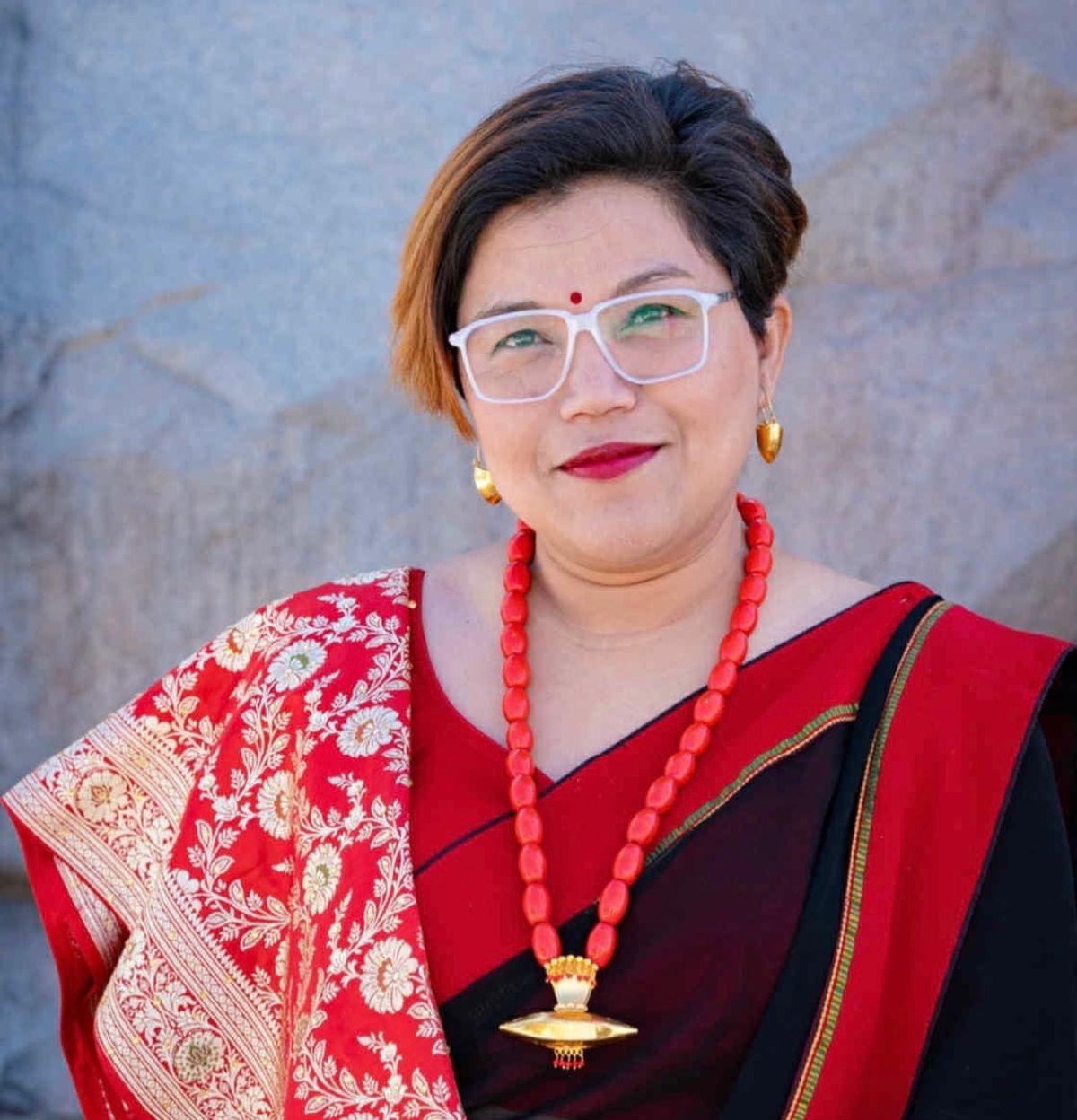
Binisha Shrestha was born and raised in Nepal and is a first-generation immigrant to the US.
She is also the founder and CEO of the Colorado Nepalese community and a proud deaf woman and a cochlear implant recipient.
From her home in Denver, Colorado, she watches the unfolding crisis in Nepal with a mix of anguish, fear, and hope.
The distance of nearly 8,000 miles has done little to blunt the emotional blow of watching her homeland convulse in protest.
"The anger that has long simmered beneath the surface erupted into the streets, with protests escalating into the burning of parliament, supreme court, and gthe Singha Durbar," she reflects.
"While events are unfolding rapidly, three forces lie at the heart of this crisis: Corruption, discontent, and social media," she adds.
For Shrestha, corruption remains the most decisive factor.
"Many believe the political elite have enriched themselves through shady development deals, with recent allegations tying the family of a former prime minister to lucrative hotel projects. This has destroyed public trust in leaders and parties alike," she says.
That betrayal has left deep scars on the country's youth.
"Discontent is deepest among young people. They are weary of inequality, exclusion, and empty promises. Half of Nepal's youth now live outside their communities -- some in Kathmandu, others abroad."
As the protests escalate, memories of earlier uprisings resurface.
"Past movements in 1990 and 2006/2008 brought down the monarchy and opened the door to democracy," Shrestha recalls.
"But too much power remains in the hands of a few."
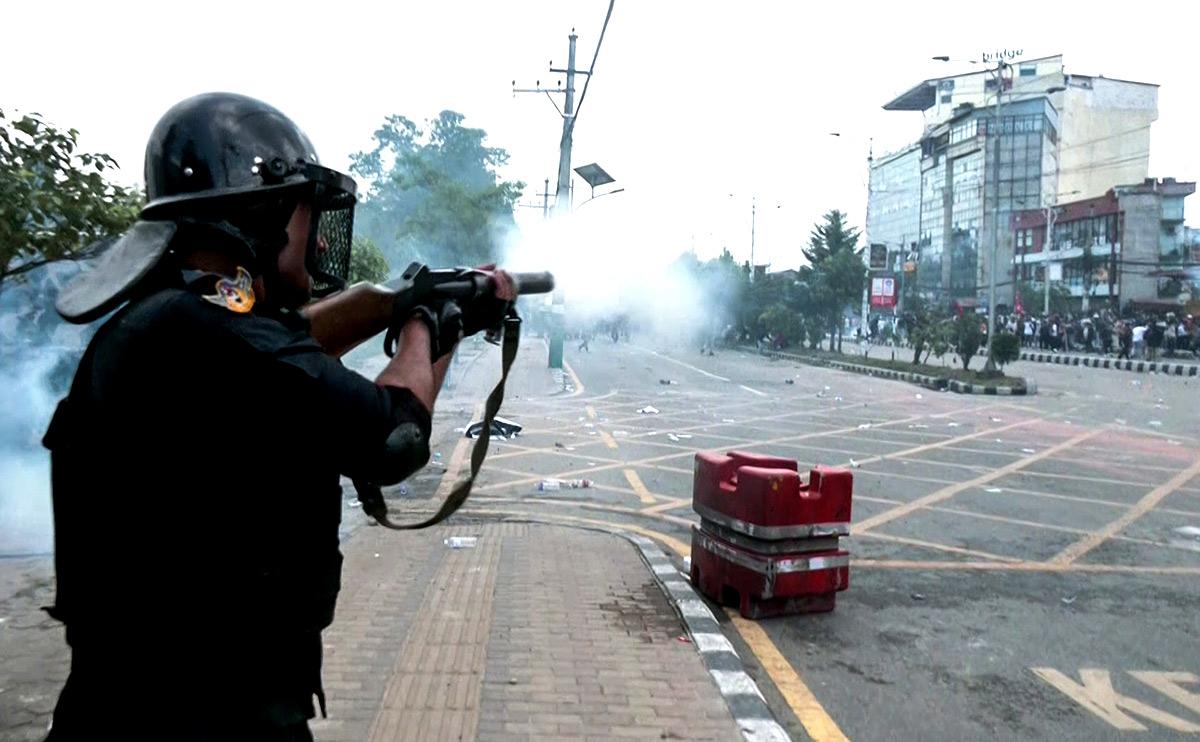
While the world may have first noted the ban on social platforms, Shrestha insists it was merely the breaking point.
"Social media has become the final spark. For Nepali youth, platforms like TikTok and Facebook are not distractions but lifelines -- for jobs, information, and connection with families across borders. When politicians tried to shut them down to suppress criticism, they only intensified public fury."
As uncertainty looms, Shrestha acknowledges that the path forward is fragile.
"The next chapter is uncertain. Reformist figures like Kul Man Ghising, who ended crippling power cuts, and Balen Shah, Kathmandu's outspoken mayor, are seen as hopeful alternatives. Yet the army remains a looming force, and royalist voices have not disappeared."
For Shrestha and thousands of Nepalis abroad, the events are not distant headlines but a pressing reality.
"This moment matters deeply. Migration has reshaped the nation, and remittances from Nepalis abroad account for nearly a quarter of the economy. Those of us outside Nepal feel the weight of responsibility -- to amplify voices, share truths, and demand accountability.
"The frustrations fueling these protests are not confined to Kathmandu's streets but reverberate in Nepali households from Doha to Denver."
In the end, she returns to the three forces shaping Nepal's unrest.
"Nepal's future now depends on whether these three forces -- corruption, discontent and social media -- can be channeled toward meaningful reform rather than deeper instability.
"What is clear is that a new generation refuses to be silent, and the world, especially the diaspora, is listening."
Feature Presentation: Aslam Hunani/Rediff