
India and Russia are expected to unveil a major nuclear energy partnership during Vladimir Putin's visit, potentially involving Russian small modular reactors and expanded cooperation as India pushes toward its 100-GW nuclear goal by 2047.
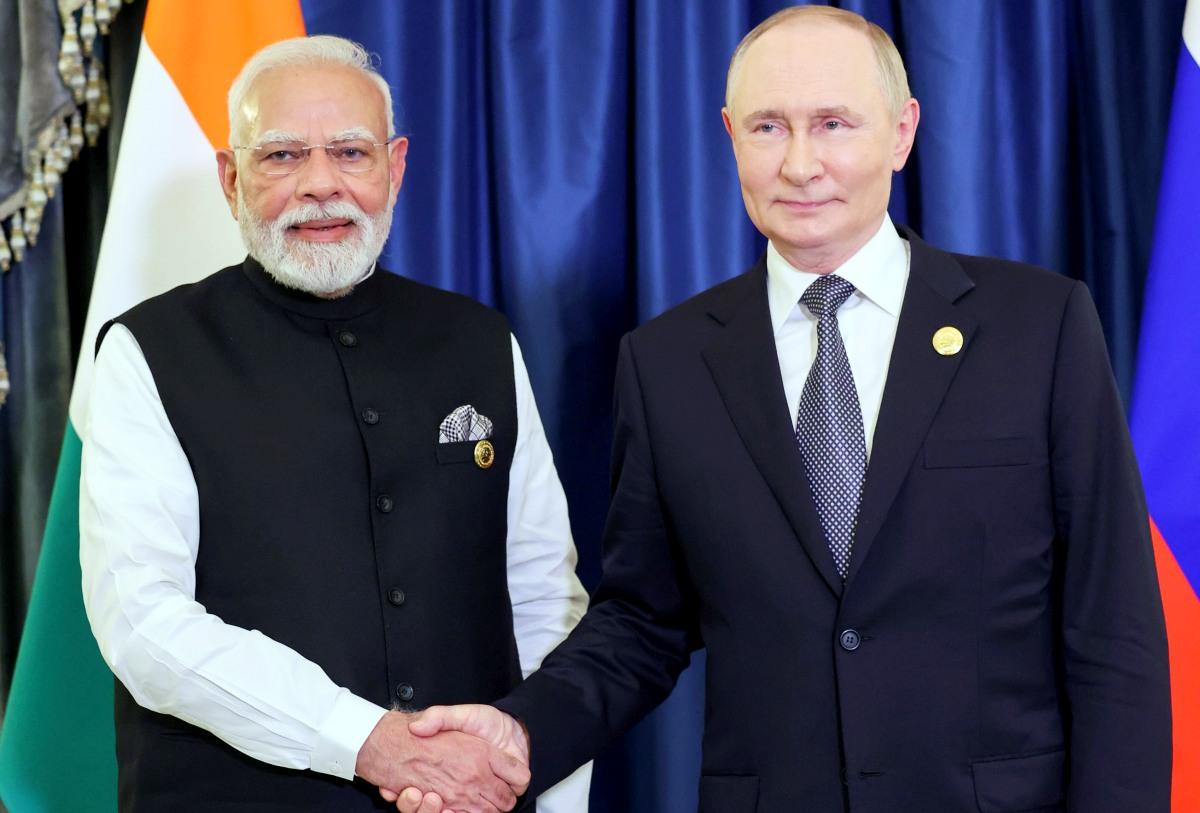
A major announcement in the nuclear energy sector is expected during Russian President Vladimir Putin's two-day visit to India beginning December 4, 2025.
The development may involve Russia supplying small modular reactors (SMRs) to India or participating in India's nuclear industry following its privatisation.
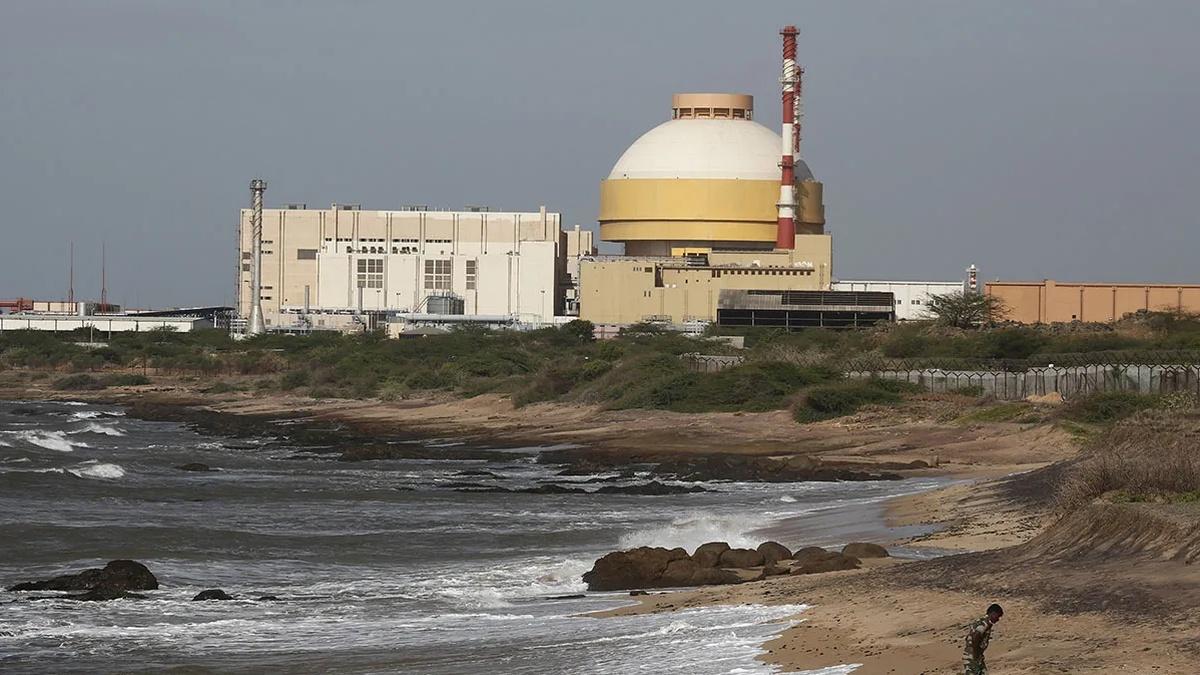
Russia's State-run nuclear corporation Rosatom is already supplying six 1,000 MW reactors to India.
Two units are operational at Kudankulam in Tamil Nadu, while four more are under construction at the same site.
With the changing global tariff environment, India and Russia are likely to further expand their nuclear cooperation -- especially as India and the US have also announced joint efforts to develop next-generation SMR technologies for domestic and export markets.
A 2023 White House joint statement noted that then US President Joe Biden and Prime Minister Narendra Modi had agreed to collaborate on next-generation SMRs.
SMRs have less than 300 MW of power and are factory-built, have drawn significant interest from global nuclear equipment manufacturers.
Rosatom already operates a functional floating SMR, the Akademik Lomonosov, in Pevek, which may serve as a reference for India.
The SMR segment is gaining traction because of shorter construction timelines, longer operational cycles, and lower risks.
According to IAEA Director General Rafael Mariano Grossi, existing safety regulations for large reactors will also apply to SMRs, even as some norms -- such as buffer-zone requirements -- may be adjusted due to their smaller size and lower risk profile.
For instance, while large reactors require a 1 km exclusion zone, an SMR's buffer zone may end at the plant boundary.
The IAEA expects wide deployment of SMRs, including microreactors, from 2030 onward. However, on a per-MW basis, SMRs are likely to be more expensive to build and operate compared to conventional large reactors.
India has committed to developing its own SMRs. After decades of successful operation, its 220 MW PHWR design has been redesignated as the Bharat Small Reactor.
The government plans to partner with the private sector to 1. build Bharat Small Reactors, 2. co-develop Bharat Small Modular Reactors, and 3. pursue advanced nuclear technologies.
India's SMR roadmap includes:
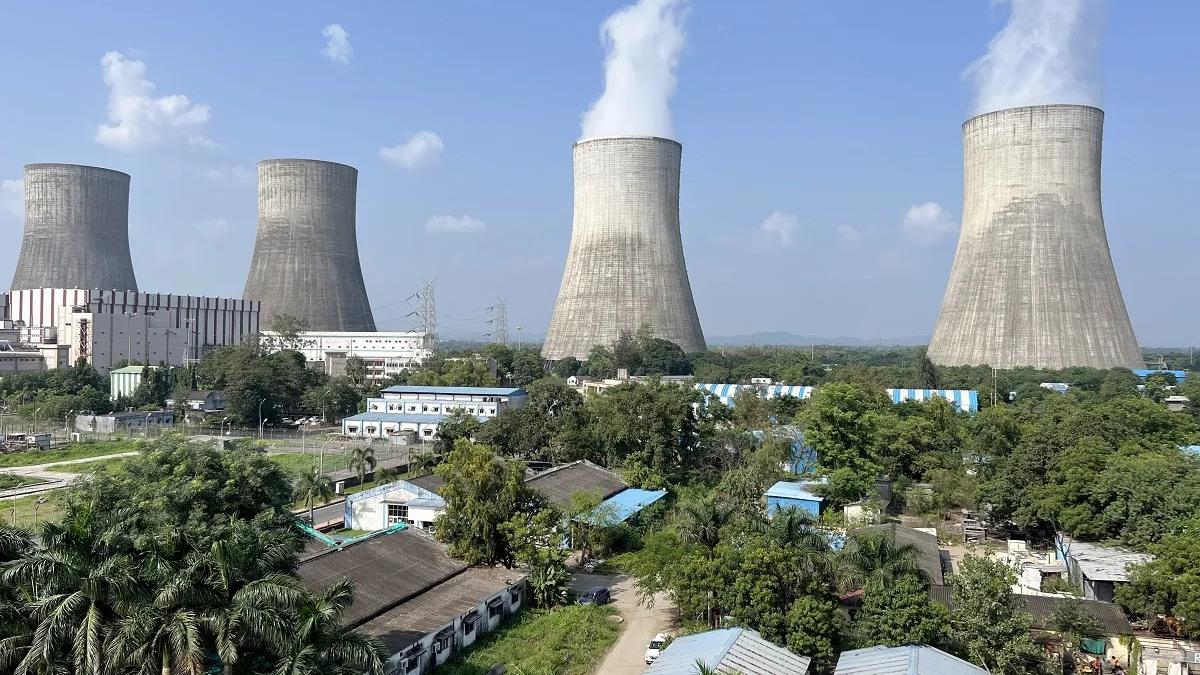
A new Nuclear Energy Mission with an outlay of ₹20,000 crore will support R&D and demonstration plants, including a 200 MWe loop-type BSMR and a 5 MWt gas-cooled hydrogen-generating reactor.
India expects to operationalise at least five indigenous SMRs by 2033 and derive 41 GW of the 100 GW target from SMRs by 2047.
The remaining 59 GW will come from:
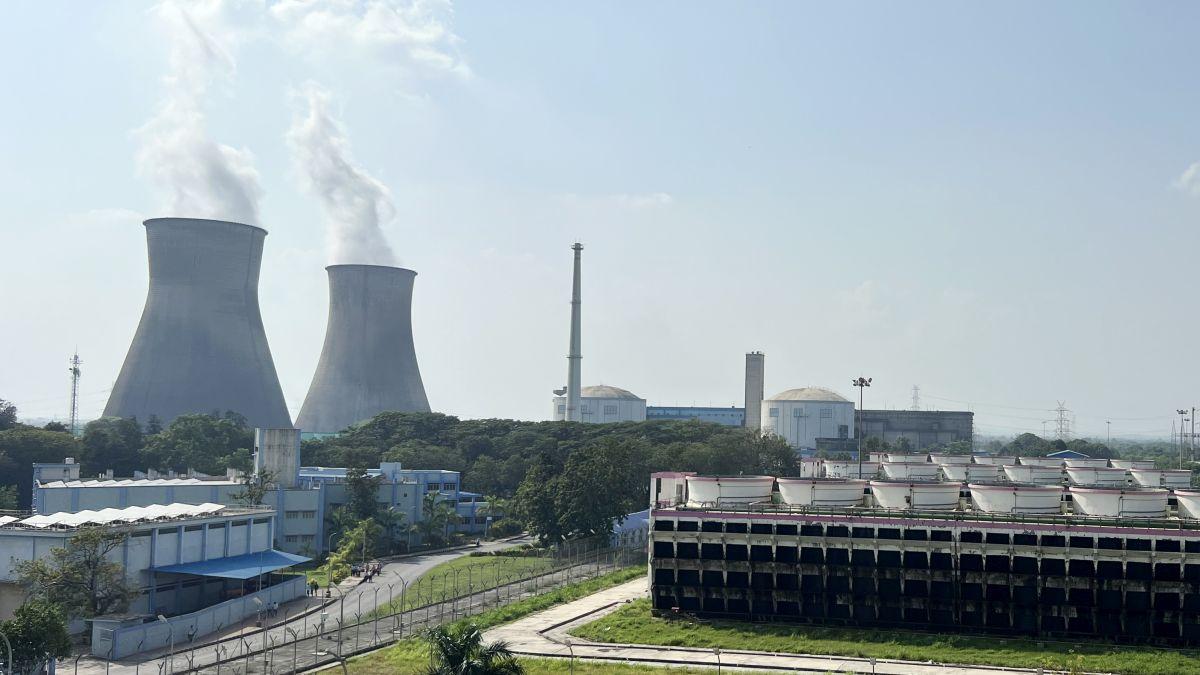
India's SMR efforts focus on repurposing aging thermal plants, providing captive power for energy-intensive industries (around 200 MW units), and serving remote regions with 50 MW plants.
While water-cooled BSMRs and SMRs are technologically mature, design work on gas-cooled reactors has begun.
In recent high-level discussions between Indian and Russian nuclear officials, both sides explored cooperation in large and small reactors, the nuclear fuel cycle, and localisation of equipment manufacturing in India.
Rosatom Director General Alexey Likhachev reaffirmed Russia's readiness to support India's plan to scale nuclear capacity to 100 GW with proven technologies deployed both domestically and internationally.
Venkatachari Jagannathan can be reached at venkatacharijagannathan@gmail.com
Feature Presentation: Rajesh Alva/Rediff