
'He knew the world's eyes were on him and he had to speak directly to the fears that immigrants in New York feel right now.'
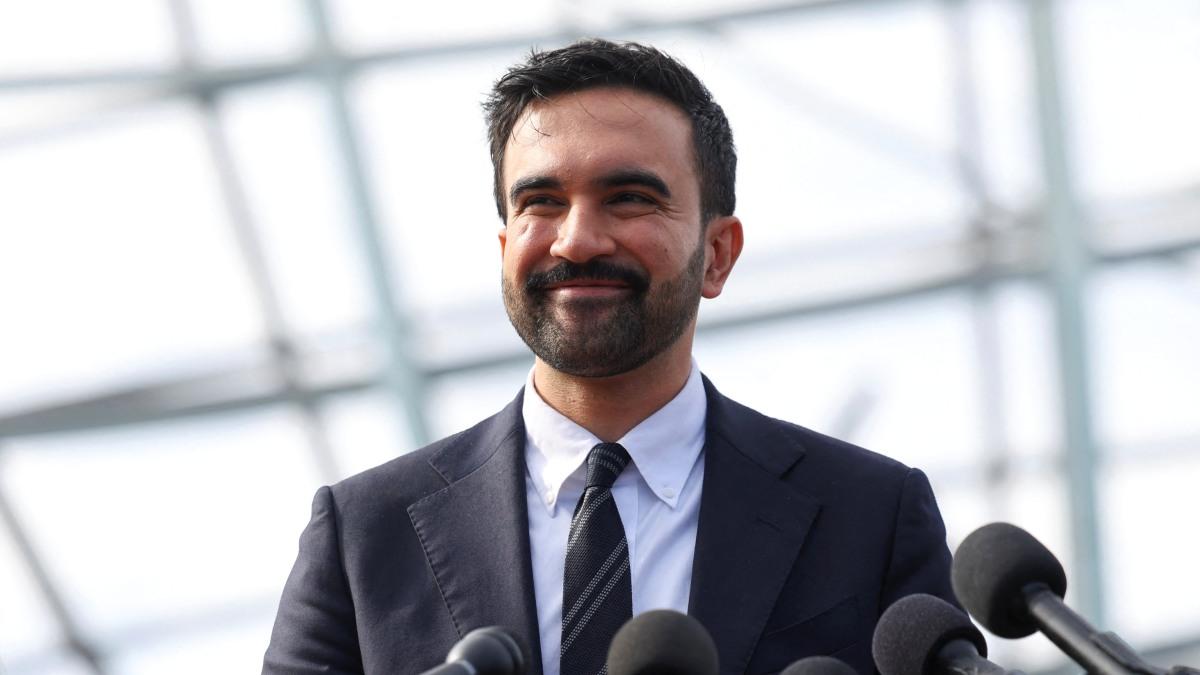
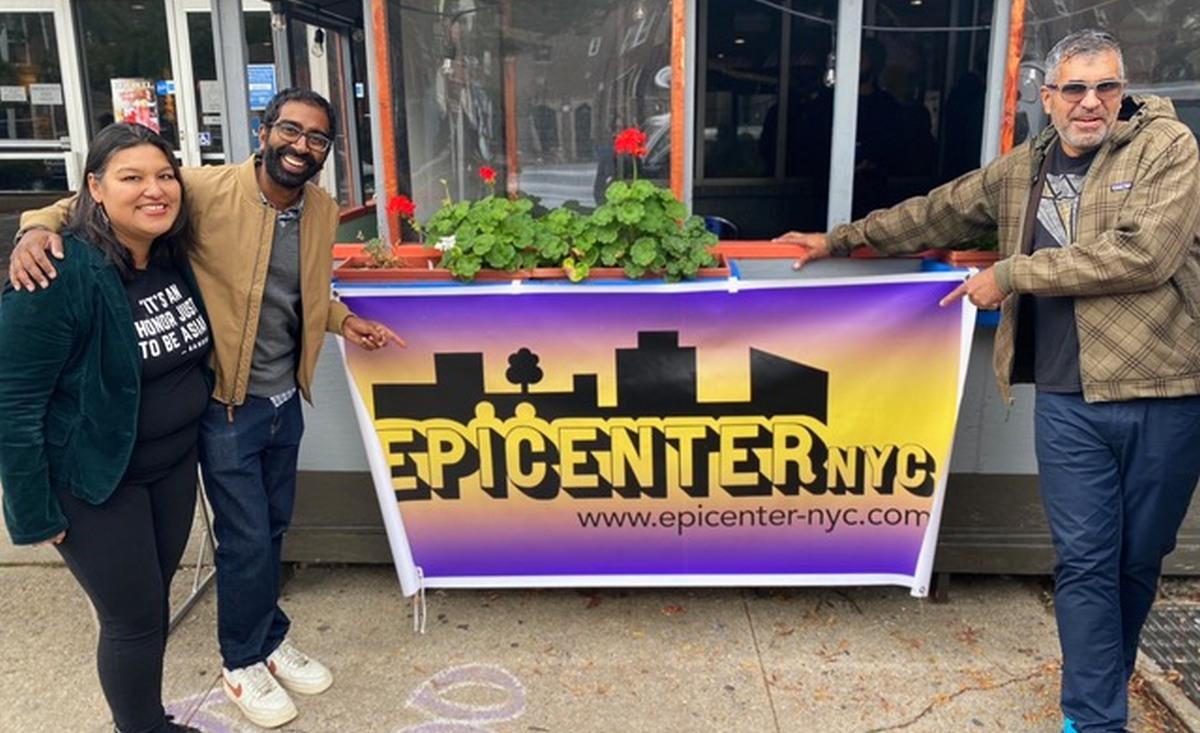
S Mitra Kalita is a leading South Asian voice in American media. She is the CEO of URL Media, a network of Black and Brown community media organizations, and the co-founder and publisher of Epicenter-NYC, a newsletter created to help New Yorkers navigate city life.
Previously, she served as Senior Vice President at CNN Digital and Managing Editor for Editorial Strategy at the Los Angeles Times newspaper.
An accomplished author, Mitra has written two books exploring themes of migration and globalisation.
"He singularly stayed on this message of affordability and so for him to execute his agenda is very complicated and he'll need to buy in from literally all levels of government," Mitra tells Rediff Senior US Contributor Abhijit J Masih about the challenges and opportunities that await Zohran Mamdani as New York City's next mayor.
Zohran Mamdani's win has been called historic and 'transformational. What, in your view, stood out most about his campaign and message?
The transformational and historic piece of it is due to a few factors. First of all, this is a post 9/11 New York City and as someone who lived here and reported on it, we really saw instant reaction.
There's a through line that you can draw from 9/11, to racial profiling, to a sentiment that a lot of Muslims felt in New York City. There were numerous hate crimes.
There's another through line from 9/11 to the elevation of Donald Trump and our current immigration policies.
Zohran Mamdani ran a campaign where he was unapologetically Muslim. He was unapologetically an immigrant. He has a very complicated identity.
He's the son of a Hindu mother, a Muslim father, both from India -- one from Punjab, one from Gujarat -- was born in Uganda, emigrates to the US. He used those identities to appeal to different communities in New York City. That's really what the campaign was built on.
You saw him leaning into his own identity and using that as a point of connection with the South Asian community.
The other thing I'd say is that the social media algorithms worked in his favour. He's pretty good on camera.
His campaign manager has said he has this vulnerability, meaning he's just like going for it. Even his bloopers and stuff are going viral. So, there's something about that demeanour that's actually quite addictive.
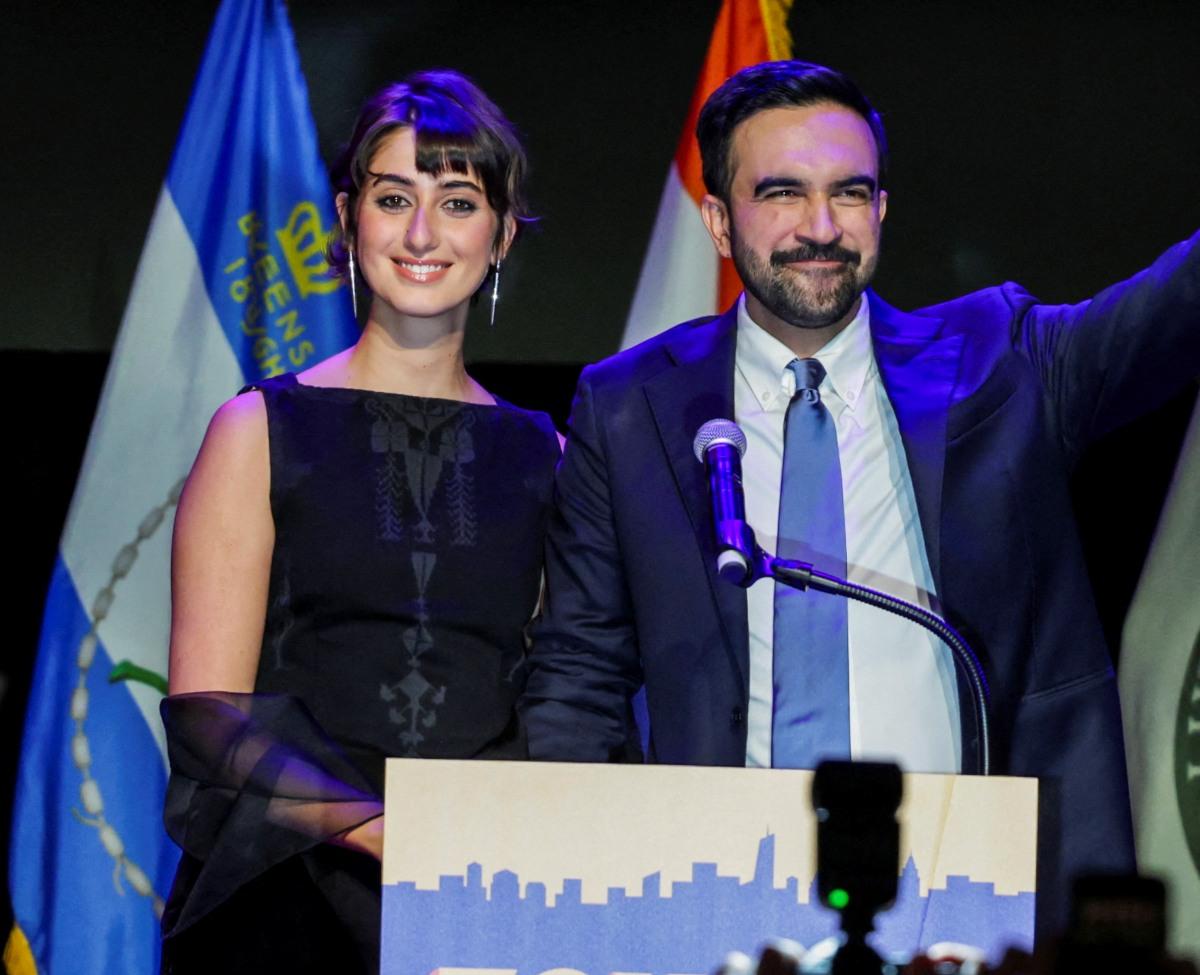
New York is a complex city with competing priorities. What do you see as Mamdani's biggest challenges as he transitions from legislator to executive -- and how might his activist roots shape his leadership?
Of course, people will say campaigning and governing are very different things, New York is a very complex and bureaucratic city. So, this is a management job. It's an execution job. It's an operational job.
He singularly stayed on this message of affordability and so for him to execute his agenda is very complicated and he'll need to buy in from literally all levels of government.
A lot of people have pointed to his inexperience and pointed that he has never managed anything this big before, they say that as a criticism.
But we have to look at his campaign which was largely propelled on people who are looking for somebody from outside the system to fix systems that have not worked for them. And so, his inexperience is actually the point of the appeal.
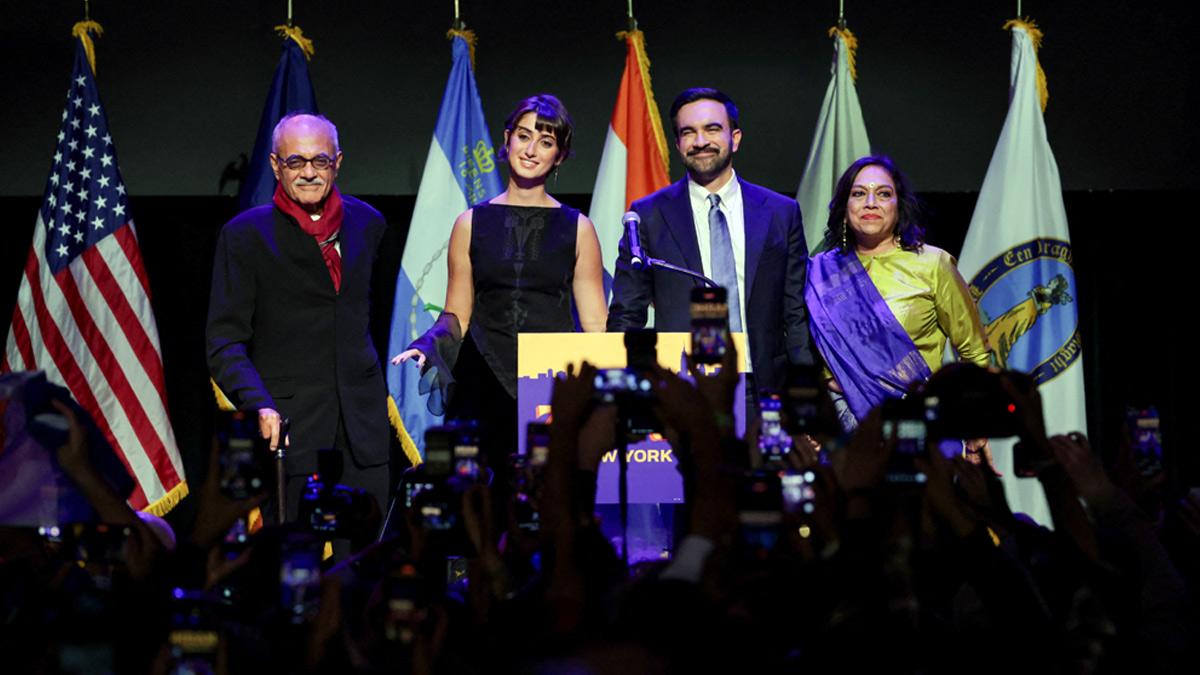
This election has energised many in the South Asian and broader immigrant communities. What does Mamdani's win mean for Indian Americans and for representation in US politics?
There's certainly a long list of Indian Americans who've been successful in politics like Pramila Jayapal, who campaigned with him; Ro Khanna came to campaign with him and our city Councilman in Jackson Heights Shekar Krishnan -- the first Indian elected to city office. I do think that his path was paved by Indian Americans before him.
Interestingly, in New York City the two constituencies among the South Asian voting bloc are the Bangladeshi community that's very fast growing and then the Indo-Caribbean community.
He was able to create a bit of a South Asian voting bloc as opposed to just Indian.
That said, you did see Indians who might not have surfaced in politics historically suddenly voting for the first time.
There was a group called Hindus For Zoran that was spearheaded by people who were feeling kind of rattled by the anti-Muslim sentiment that some Indian Americans were espousing.
Also, because he identifies as a Muslim -- of course, his mother is Hindu and quite well known, so there was this element of him not leaning into that part of his identity.
I don't think that actually ended up becoming an issue. So many Indian actors like Kal Penn were campaigning with him.
I was in my house on a Zoom call when my husband comes upstairs and says Kal Penn is in our living room. I never expected him to knock on my door and asked me to vote.
What does this victory signal for the Democratic Party -- especially at a time when the party is seeking to revive and reconnect with younger, more diverse, and more progressive voters?
It's so interesting because you know on Election Day Chuck Schumer (the senior Democratic US senator from New York) did not tell you who he voted for.
His (Mamdani's) first lunch the day after he was elected was with Alexandria Ocasio Cortez (the left-of-centre Democratic US Congresswoman from New York). He went to a Nepali restaurant that I love called Lali Guras in Jackson Heights. So you have these images of new faces.
There's a lot of consternation from the Democratic Party over lessons from 2024 and the reaction to Zohran Mamdani, the enthusiasm for him would have been absolutely impossible to achieve.
There is some takeaway there. We talk a lot about moderation and you'll see candidates move to the right of centre or left of centre. The truth of voters is that they are very complex and they have overlapping identities.
I know one person who has a gun but is actually otherwise pretty liberal. So, you have all these identities that it's just not easy to create instant moderation.
I've talked to voters about this, and they appreciated that he (Mamdani) stood for something, stood his ground for the most part on those issues.
They might not agree with that, and he's come out and said, 'Look if you agree with me on everything that feels problematic'. That's a new framework for a politician.
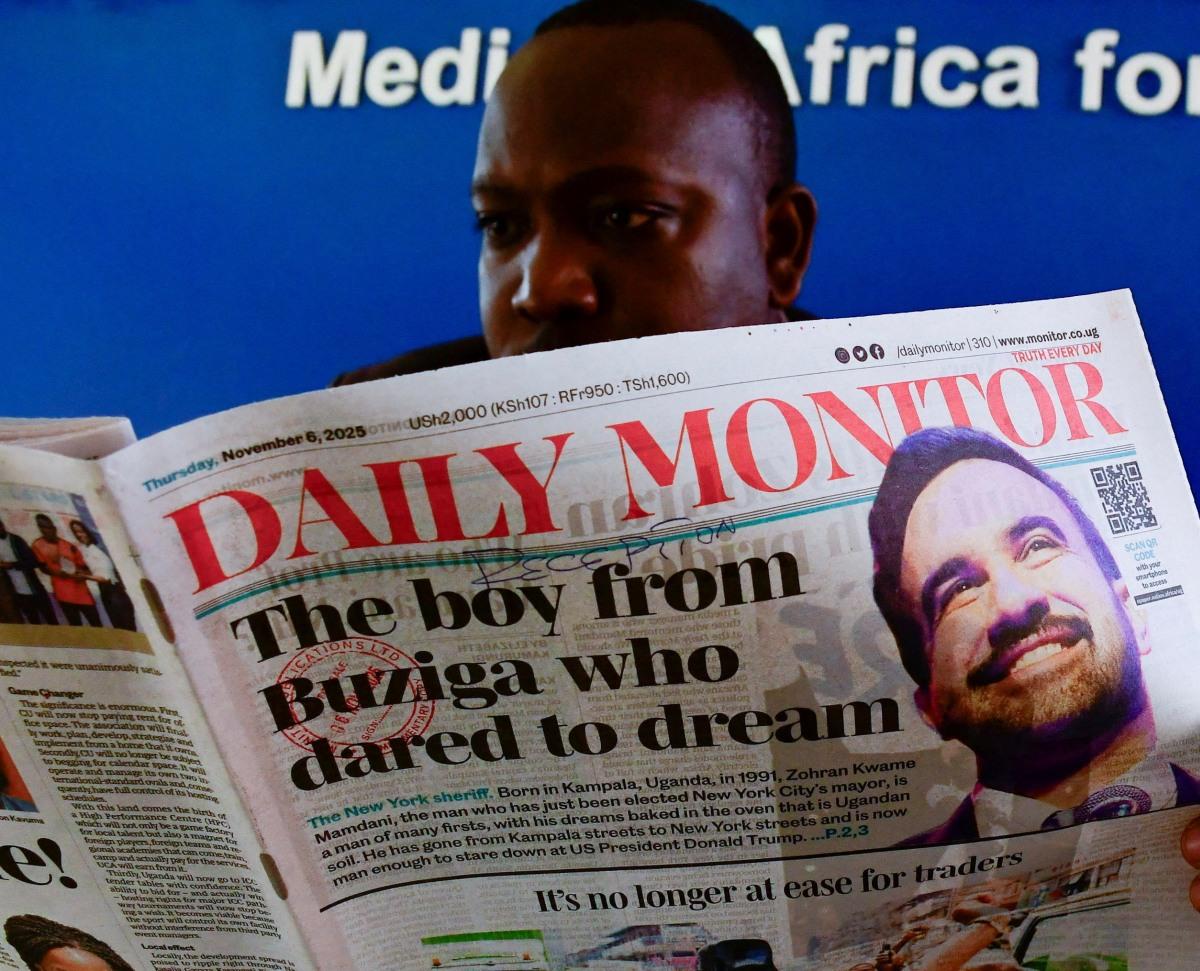
As someone who has long championed representation and storytelling within our communities, how personally significant is this moment for you?
I've lived in Jackson Heights on and off for about 25 years. My husband, who's also Indian American, used to cringe because of the stop and frisk. There's so much of this history that it's almost like an accepted part of living here. That this is the way you'll be treated.
So, there is something about this moment that feels like a reset on what we allowed and enabled after 9/11 for a certain population.
Of course, I am internalising that because of where I live and what I've seen happen to my neighbours.
Immigrants really are the lifeblood of New York City. There is no economy without immigrants in New York City. That symbolism in this moment can't be discounted.
Something as simple as when his victory speech concluded and they started playing the soundtrack, my thirteen-year-old daughter just exclaimed, 'Oh my gosh! they're playing Dhoom Machale.' My daughter doesn't speak Hindi but that instant identification is a big deal.
I'm not an overly sentimental person, but in those moments you do think about what it means to be represented.
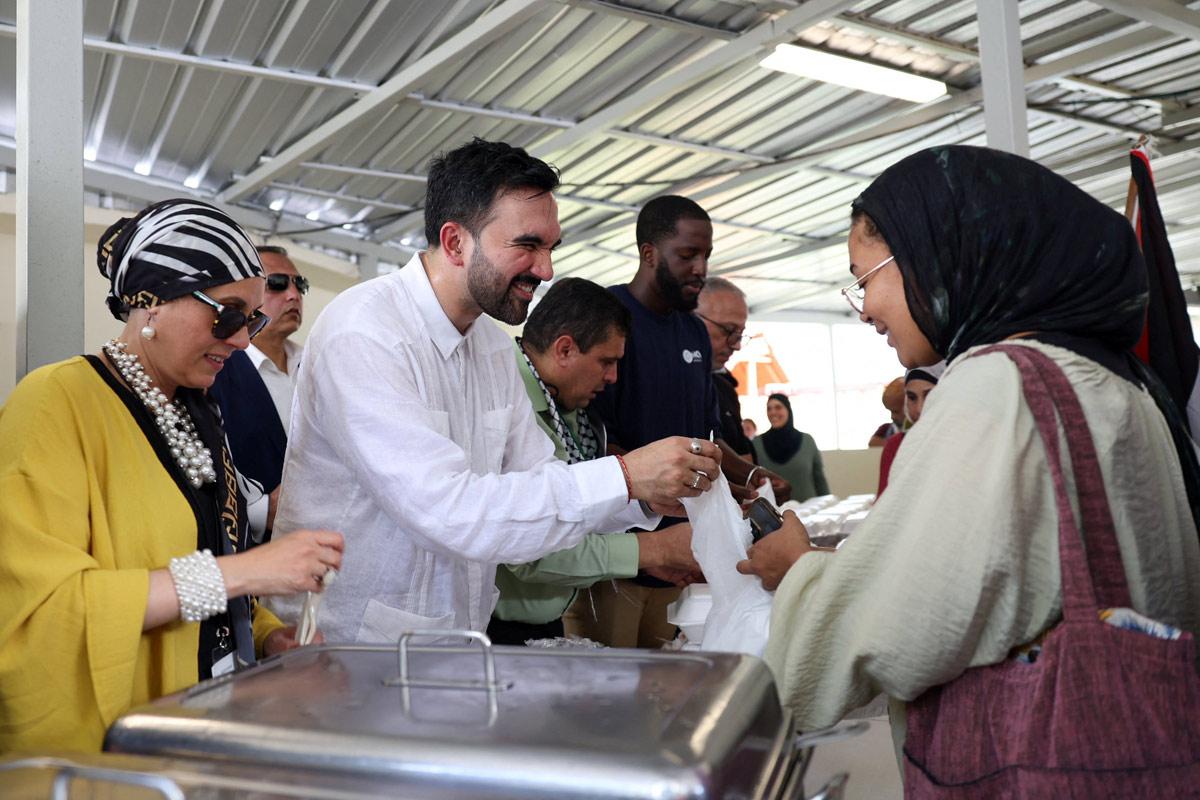
Beyond the campaign and the headlines, what kind of person have you found Zohran Mamdani to be -- what drives him, and what moments have revealed his character to you most clearly?
I interviewed him in November of 2020 when he was running for the (New York) assembly. I've seen him a few times. He's in Jackson Heights all the time.
For South Asians there's a certain familiarity and that's also the nature of social media. I also don't want to be seduced by that one image.
I feel he was trying to carve out his own place as a politician. I, of course, wanted to ask him about his mother and he really wanted to be his own person.
What we've seen very visibly is somebody who's gotten very comfortable with the person he is.
Zohran Mamdani's victory speech carried both direct and indirect messages that seemed to resonate not just with New Yorkers, but also with audiences far beyond the city and the country even.
How did you interpret that speech, and what do you think he was trying to communicate to different parts of the world?
He knew there was a symbolism here not just because of his own victory but also because of what had happened in Virginia, New Jersey and California.
He had to speak to his own background, the new voters, young people and immigrants who propelled him into office.
There was a real pride in you that New York City is now led by an immigrant. I saw a lot of people feeling very proud.
Then, of course, there was the addressing of Donald Trump directly. I've heard mixed things from people about that, but he knew that the eyes were on him.
The fear in New York City, especially among immigrants, is very palpable, so he had no choice but to address that because you know even before the election there was talk of how will Trump react to a Mamdani victory.
Feature Presentation: Rajesh Alva/Rediff