
'If the BJP had its way, it would sideline him in favour of someone else. But that's not feasible. There is no vote catcher in Bihar for the BJP.'

"The JD-U has declined as a party over the past five years. This was visible in 2020 too when it came a distant third. Nitish Kumar is not the leader he once was. The BJP's fortunes rise or fall with him, for better or worse," says Political Scientist Dr Uday Chandra.
Dr Chandra's research lies between the intersection of political anthropology, social history and cultural ties. He is a field researcher of politics and society and holds a MA, MPhil and PhD in political science from Yale University.
In an interview with Rediff's Archana Masih, Dr Chandra discusses factors that will set this election apart, issues that will shape the outcome, the challenges for the incumbent National Democratic Alliance and Nitish Babu's legacy.
What are the issues that will play an important role in Bihar during this assembly election -- SIR, infiltration, corruption, employment? What are the primary factors this time around?
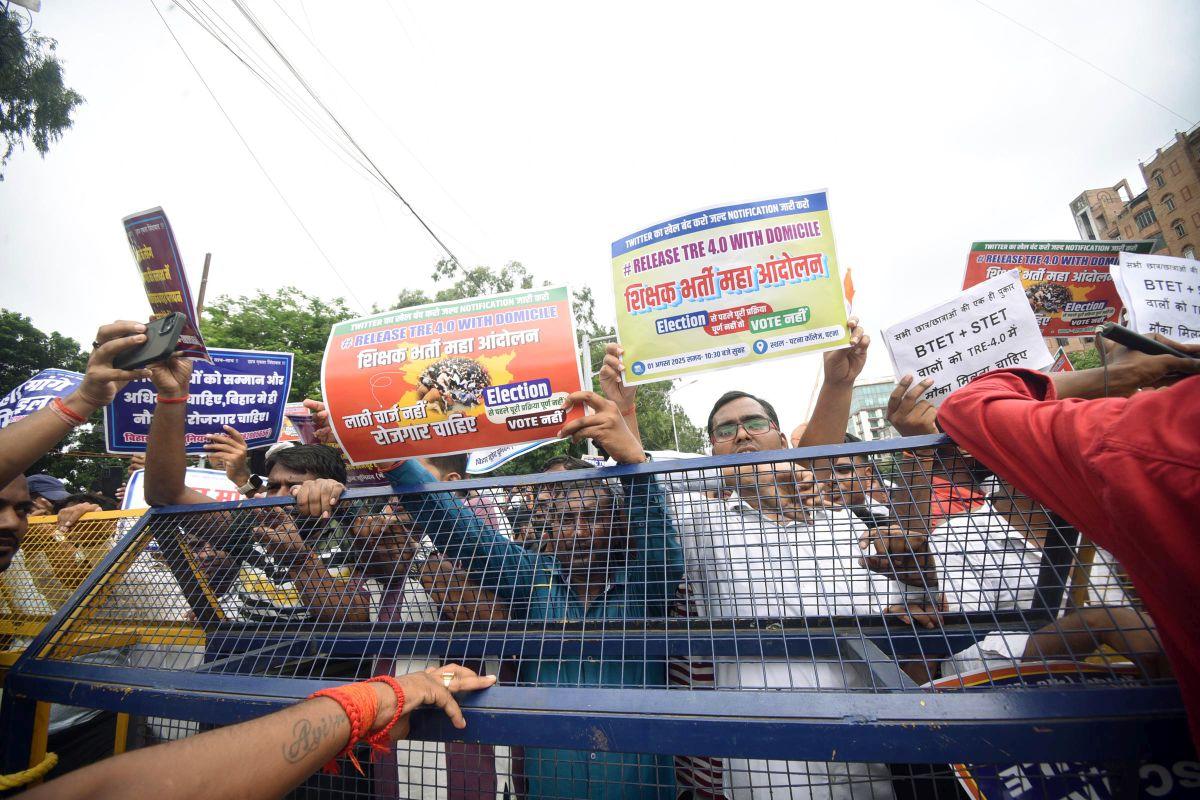
Employment, along with out-migration from the state for work, is the primary issue in Bihar today. It is a damning fact that the state's economic capacity cannot furnish jobs for Biharis within the state. Building a vibrant Bihar necessitates fixing this state of affairs.
In what three ways is the 2025 election different from past elections? What is peculiar about Bihar compared to other Hindi heartland states like UP, MP and Rajasthan that are BJP strongholds?
Bihar is not a state where communal polarisation is easy. The RSS presence has also not made a significant difference to Biharis.
Muslims in Bihar are internally divided in many ways, but in electoral terms, Muslims and Yadavs complement each other as jatis. Not everyone who is Muslim or Yadav votes RJD (Rashtriya Janata Dal), but in total, they form a formidable third of the state's population.
This large segment of the electorate is largely unavailable to the BJP as voters. This is the greatest challenge the BJP faces compared to other Hindi heartland states.
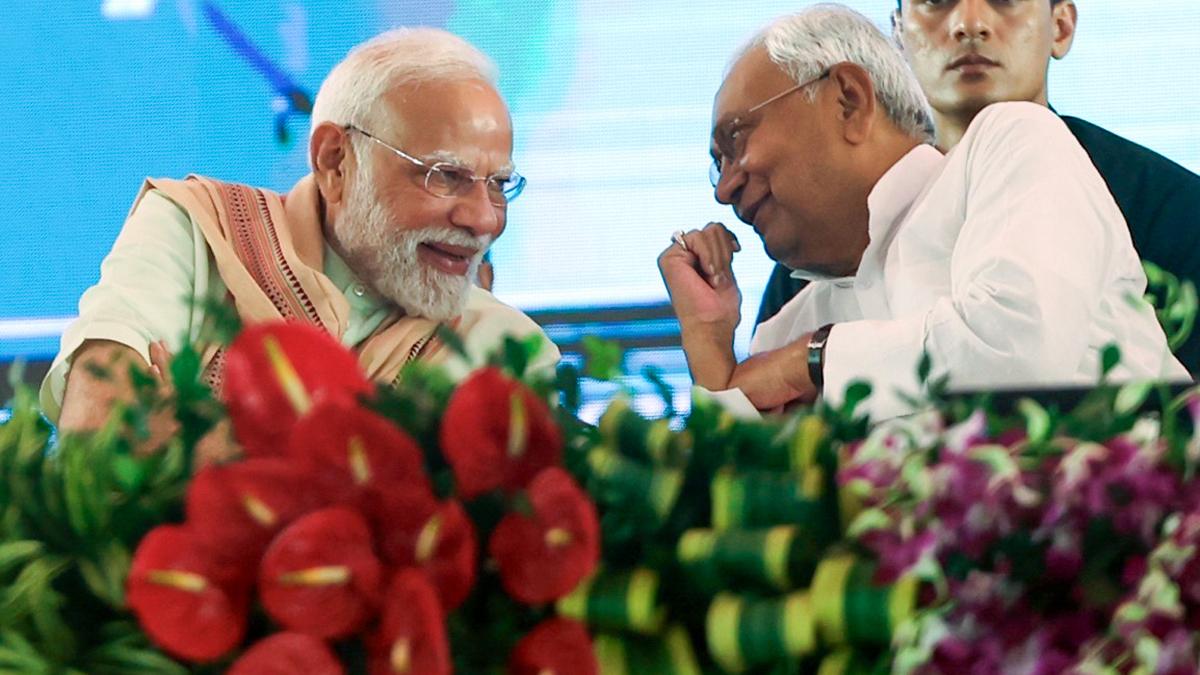
Will caste still remain the primary factor for voters or will there be a likely shift, especially among first time voters? Can development and jobs outweigh identity politics in Bihar?
Caste is a factor in all state elections across India. It is not separate from the issue of jobs or development. Both alliances recognise this.
The NDA recognises that Yadavs cornered reserved posts at the expense of others OBC groups in the state. At the same time, INDIA parties also accept public policies should be proportionate in line with a caste census undertaken by the state government.
The solutions may differ, but the question of caste needs to be understood in terms of economic opportunities, not merely 'identity' or 'community'.
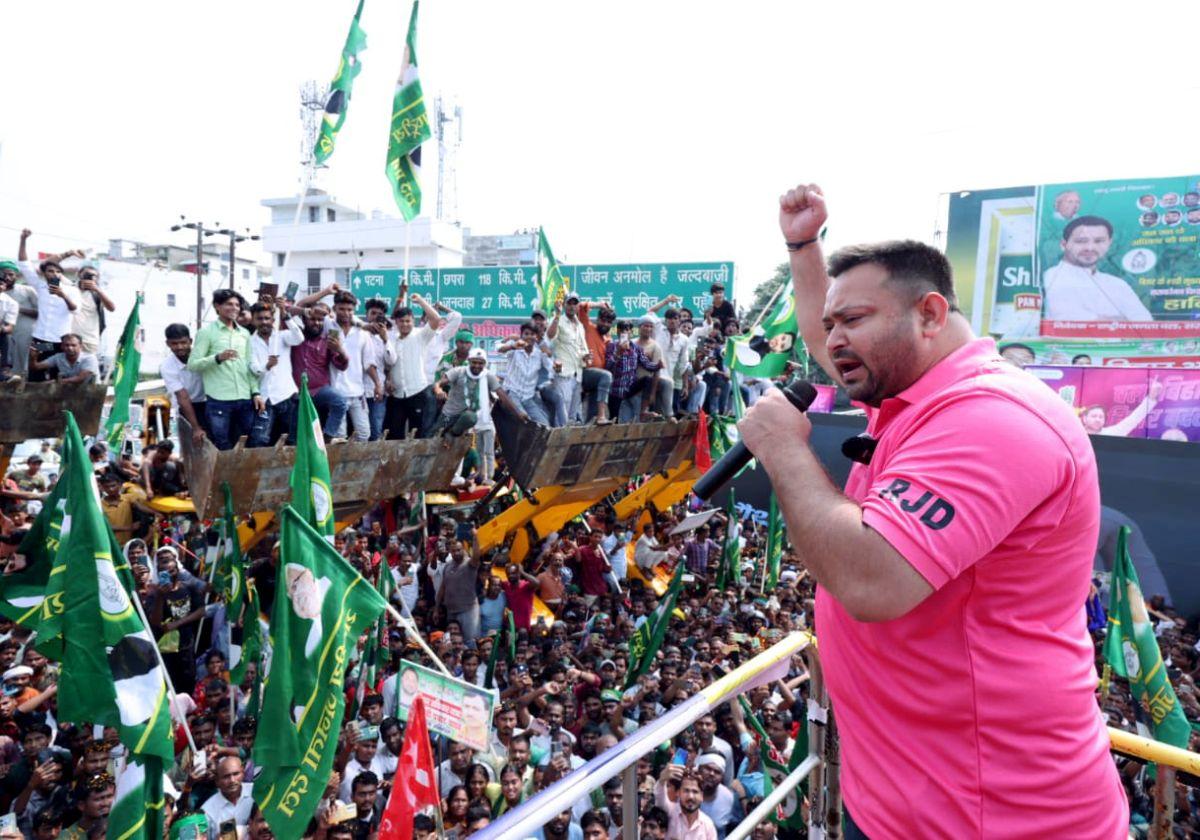
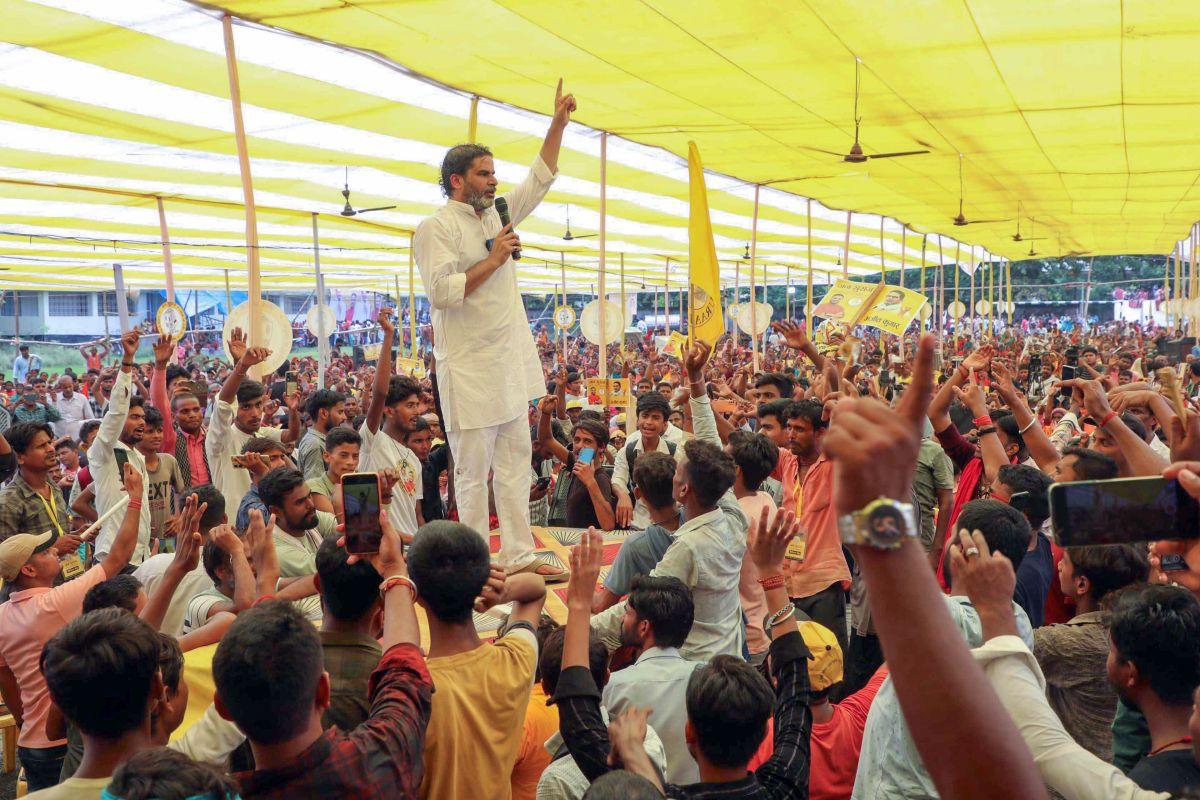
Who are the leaders to watch out for -- people who will actually translate their popularity into votes on polling day? Among the parties, three are led by young leaders -- Tejashwi Yadav, Prashant Kishor, Chirag Paswan, -- how much political ground can they realistically claim in the coming elections?
Tejashwi Yadav appears in every poll since his 2020 debut as the most popular politician in Bihar today.
Having said that, Chirag is also popular but with a much more limited base. Non-Dalits may vote for the LJP (Lok Janshakti Party), but in a limited way.
The third individual you mention is not a known politician, but an election strategist. He is now trying to use his skills to send capable people from humble backgrounds to the Vidhan Sabha.
His own role remains now, as before, in the shadows or the background of these elections. As a political startup, Jan Suraaj has the least to lose and most to gain.
This is a beginning for them, so even 15, 20 seats will be a significant breakthrough. I do not see any credibility in claims that Jan Suraaj may win outright on its own, an opinion that PK has peddled in almost every interview with the Delhi media.
The BJP meanwhile does not have young leaders -- there has been a vacuum since the passing of Sushil Kumar Modi. Why has the party not been able to project a strong state leader?
The party has always lacked leadership and a mass base [in Bihar]. It is also identified far too much with dominant castes in the state -- Brahmin, Bhumihar, Rajput.
With the JD-U fetching votes from other sections of society, especially non-Yadav OBCs, these voter bases have been complementary so far. But the JD-U has declined as a party over the past five years.
This was visible in 2020 too when it came a distant third. But at this point in time, Nitish Kumar is not the leader he once was. The BJP's fortunes rise or fall with him, for better or worse.
There is no time to groom alternative leadership, least of all men such as Dilip Jaiswal, who are known to voters only after mudslinging by rivals.
Can Prime Minister Modi's charisma and big-ticket promises like transferring Rs 10,000 under the Mahila Rozgar Scheme tilt the scales in favour of BJP -- and the wider NDA?
No, the NDA has weakened considerably in Bihar. People may have voted last year for it [Lok Sabha 2024], but at the state level, I expect a different outcome.
The lack of meaningful leadership is hurting the BJP. The prime minister's speeches about migrant trains have also led to mockery and sarcasm from opponents.
For the first time, ordinary people and party activists have joined to hurl personal abuse at Narendra Modi. This is most unusual.
It shows that the usual tactics are not working. Given the state's budget, no one believes every woman will receive even 5,000 per month. It has not helped that several women voters in Maharashtra and Haryana have claimed not to have received promised benefits (or only received a portion of what was promised).
Can the rumblings within the Lalu family damage the RJD? Tejashwi had led a strong campaign in 2020 and the RJD was the largest party. What chances does the RJD-led Mahagatbandhan have this year?
I don't think internal family matters will shape voter preferences. No one who was planning to vote RJD will change their minds based on what an aggrieved relative of Tejashwi says.
The lines of succession are clear in the party: Tejashwi is the sole political heir. He has done well to lead the RJD to the pole position in 2020, and he has only grown stronger since then.
He is a powerful speaker and, as a youth leader, utilises social media and mass rallies effectively to communicate his ideas. At this stage, the fortunes of the Mahagatbandhan rest on his shoulders.
Is this the sunset election for Nitish Babu? Will he be CM if the NDA returns to power or will the BJP sideline him after the polls citing health concerns?
How would you describe his legacy in Bihar?
Yes, I'm afraid this is the end of the road for Nitish. After disappearing into his home during the pandemic, he has steadily lost credibility.
Questions have been raised about his mental acuity, including by the Opposition. If the BJP had its way, it would sideline him in favour of someone else. But that's not feasible at this time.
There is no vote catcher in the state for the BJP at this time. They are forced to rely on the PM again, but this strategy failed to yield fruit in 2015 and 2020 when the Mahagathbandan won.
Nitish's dual legacy as sushasan babu and palturam will remain. He may argue that he held onto the reins of power to avoid misrule and corruption by his rivals, especially Lalu Yadav.
But his critics may say that his flipflops have hurt his image as a development-focused administrator. The truth arguably lies in between.
Social and economic indicators did improve appreciably after Nitish took charge in 2005. However, the flipflops did not help and diminishing returns set in.
As in Odisha last year, the time is ripe for political change at the top. It is the end of an era for the state's longest serving CM.
History will be kinder to him than recent media commentary has been. Overall, his record as CM is mixed, better at public administration than his rivals, but not what Bihar wants now.
Feature Presentation: Aslam Hunani/Rediff