
'The switch can't be shut off by an accidental brush of the hand, but needs effort, conscious physical action to operate it.'
'Was it the software of the aeroplane that caused the switch to turn off?'
'Was it the hardware of the aeroplane?'
'Was it both software and hardware put together?'
"Aviation is a critical business and flying is a difficult profession. That is why an investigator should speak, not the public," says retired Indian Air Force officer Wing Commander K Dinesh, who has investigated 12 major and minor air crashes (four fatal) as an aircraft accident investigator in the IAF.
He is also empanelled as an air accident investigator with the Aircraft Accident Investigation Bureau of India, AAIB.
"The preliminary report has just stopped short of saying what of the two or four possibilities could have caused the crash. They have given a sense of direction. The validation process will be done in a year," Wing Commander Dinesh tells Rediff's Archana Masih.
What were your first thoughts when you read the report?
This is a preliminary report which tells us what happened.
The final report with all proven facts and validation will come out only after a year or more.
The crucial investigation into the crash only started after June 23.
The Flight Data Recorder was not sent to USA for decoding. However, the AAIB sourced the 'Golden Chasis' [identical Flight Data Recorder] and download cables from the US.
This is because we have a rudimentary lab and do not have that equipment.
The equipment was received by AAIB on June 23, so the investigation only started after that.
What are your initial thoughts on the findings?
Looking at it from a dispassionate and investigative point of view, I feel the AAIB report gives a detailed account. It is not sketchy.
The report says that the aircraft had a normal takeoff.
So all speculation about a late takeoff, bird hit, flaps, RAT etc are laid to rest.
The aircraft gained airspeed of 180 knots which is normal. So it not only took off normally, but had a normal flight path.
Almost immediately thereafter the fuel switches of Engine 1 and Engine 2 were shut off, one after the other.
This happens within a gap of one second and results in cutting fuel supply to both the engines.
The aircraft starts descending.
Then one of the pilots asks the other pilot why did he cut off?
The other pilot says he didn't.
After that the pilots carry out the laid-down procedures after this emergency in the cockpit -- put the fuel switches on again, but engines take time to relight and time is what they didn't have.
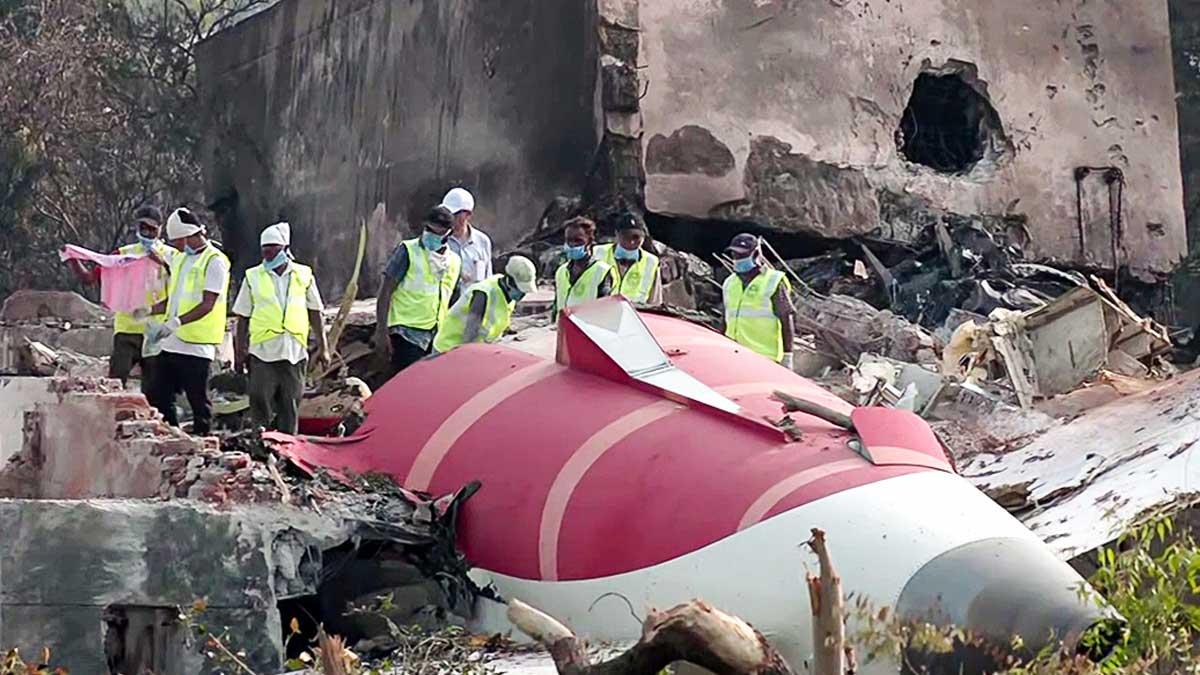
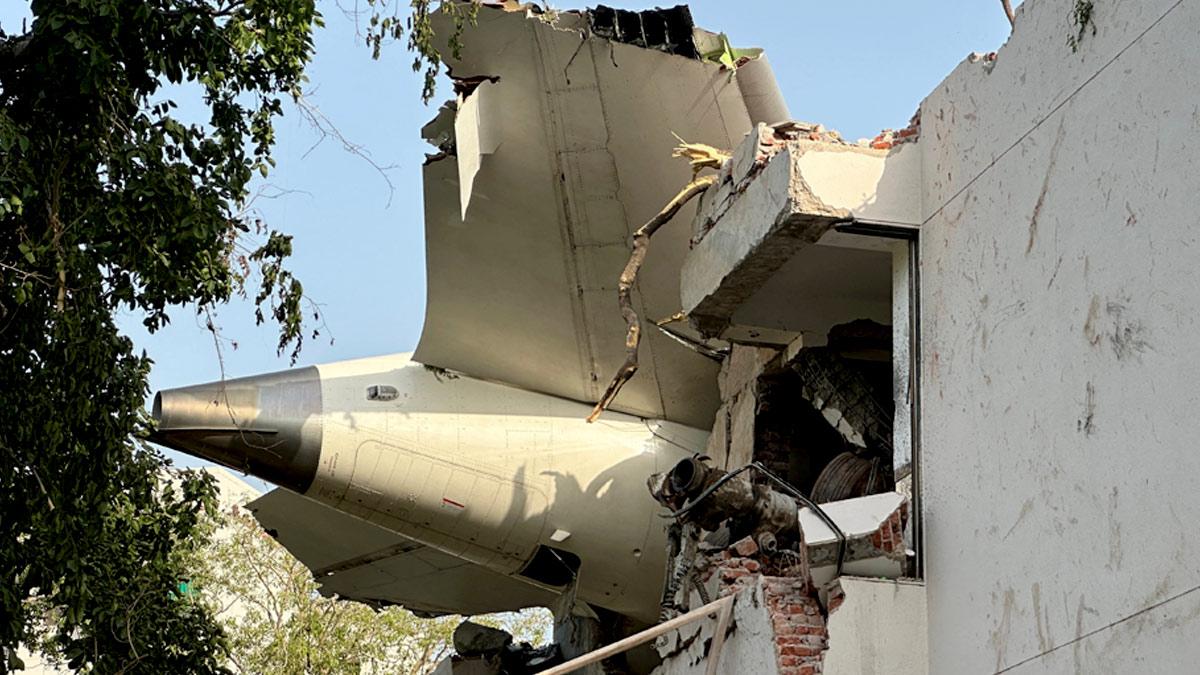
By then the aircraft was losing height and hit the building just outside the perimeter of the airport.
Rest is history.
The switch got operated to 'off' and what ensued was a normal fallout of that action.
Where are the fuel switches positioned in the cockpit?
There are two switches for each of the two engines.
The switches are positioned in such a way that they don't interfere with the pilot's action on the control panels, ergonomics or safety during the takeoff phase.
The pilot's hand cannot accidently touch it while executing a takeoff.
The switch has got a notch and cannot be shut off by an accidental brush of the hand, but needs effort, conscious physical action to operate it.
Therefore, the questions that emerge are:
How did both fuel switches turn from 'on' to 'off' almost together?
Was it the software of the aeroplane that caused the switch to turn off?
Was it the hardware of the aeroplane?
Was it both software and hardware put together?
Or was it the pilot?
A hardware malfunction is almost impossible because two switches cannot stop functioning at the same time.
The pilot asked 'Why did you switch it off' in a busy cockpit when pilots have so many things to do.
The report does not say whether the co-pilot or pilot asked the question.
The report has just stopped short of saying who/what out of the three or four factors may have operated the switch.
Although the report does not indicate which pilot asked the question, the information will clearly be there in the cockpit voice recorder because the captain, first officer's mikes are clearly marked.
Now that the cause of the crash has been established -- that the fuel switch was switched off which shut power supply to the engines and caused the crash -- what will the next steps of the inquiry team?
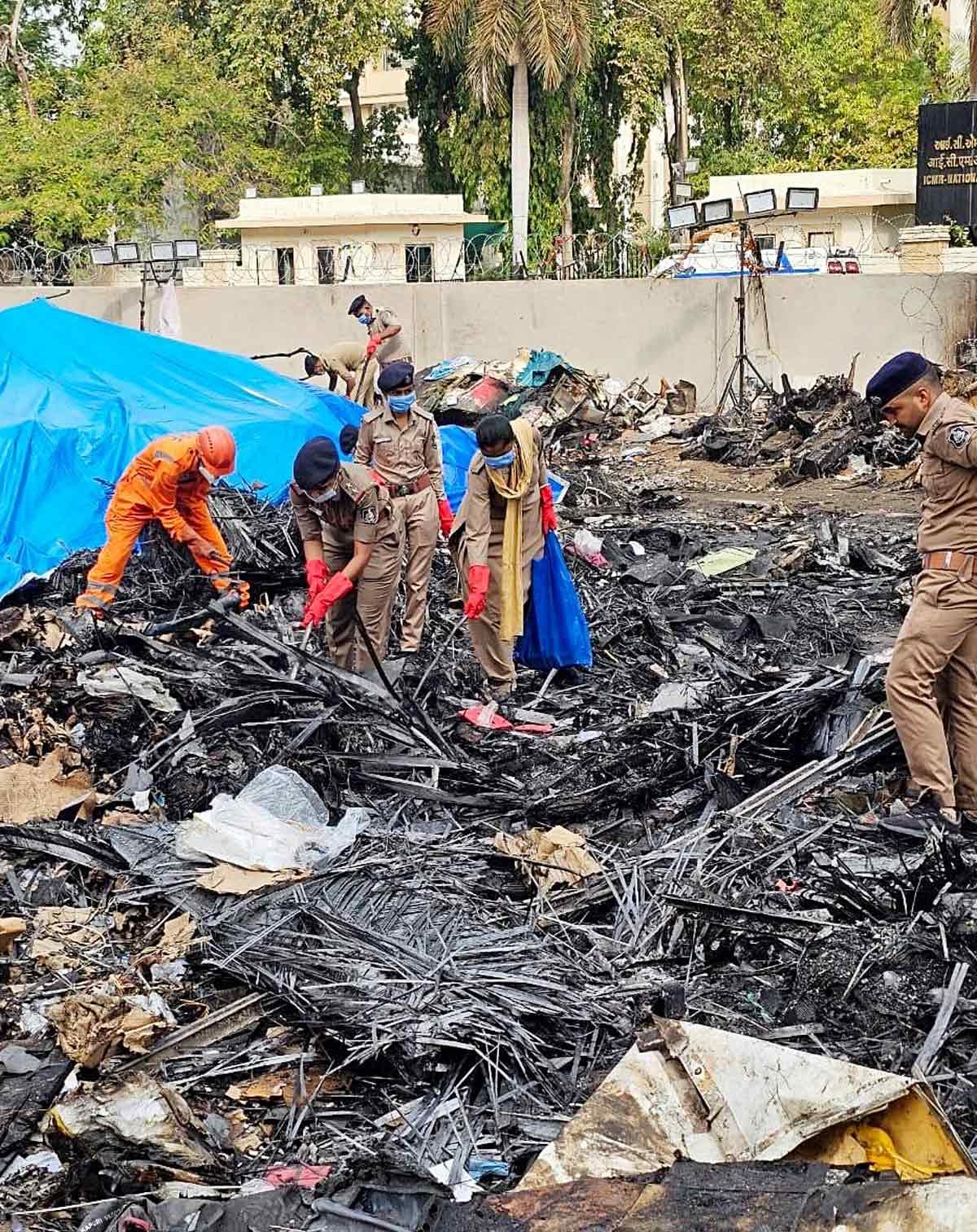
The inquiry team will figure out exactly how it happened. It is a scientific investigation which will be a long drawn process till the final report comes out.
If the report takes more than a year then there's a commitment as per the ICAO [International Civil Aviation Organisation] to come out with a follow-up report at the anniversary of the crash.
The report says that the engines could not achieve a relight after the pilot turned the switch on again? Could the aircraft have been saved if the engines had restarted?
In simple words, the relight of a Boeing 787 engine is automatic once you put the switch on. The engines were indeed trying to light up, but the aircraft was in descent and at very low height. There was no time.
If the aircraft was at 15,000 feet this would not have led to an accident. The pilots would just put the switch on and in maybe one-and-a-half minutes or so would have continued to fly or come back.
What about the deployment of the Ram Air Turbine after lift-off that was being talked about a lot in the initial days of the crash?
That is not an issue anymore because what happens after the engines shut down is procedural.
The RAT getting extended is part of that procedure. It is nothing unusual.
A lot of myths have been killed about the flaps, RAT, birds, runway etc that were being speculated upon.
The report has narrowed it down to the switch being operated.
Now the question only is how or who operated it?
The meat is always in the words recorded in the flight data recorder.
That is an important question for the direction of the investigation.
Whenever an incident happens the way we react provides the indicators and investigators will use all that along with the data in the two FDRs.
What are some of the top questions that arise from this preliminary report?
The first question is how/who operated the switch and that is what the investigation team will figure out in due course of time.
They will include the right experts because now they have an idea of what needs to be checked.
They may do a software simulation, analytics to prove their findings.
They will figure out if it was a software or a hardware glitch.
A software or hardware problem will have lot of implications for Boeing.
As of now the report does not recommend any action for Boeing or GE. They have not found any reason for it at this stage of the investigation, otherwise the first thing AAIB would have done is sent out a letter grounding Boeing 787s.
I would give all credit to AAIB for not incriminating anyone at this point, but what follows will be incriminating.
They have given some hints and will come out with proof when it is validated completely.
Investigators get a hunch of what happened, but a hunch can't be transmitted to people till it is validated through hard evidence.
If there is a software glitch or hardware glitch then the pilot angle can be ruled out. If there is a pilot angle, then they will see if there was an argument or discussion between pilots. Psychologists will be tasked to analyse, investigators will be getting into such aspects.
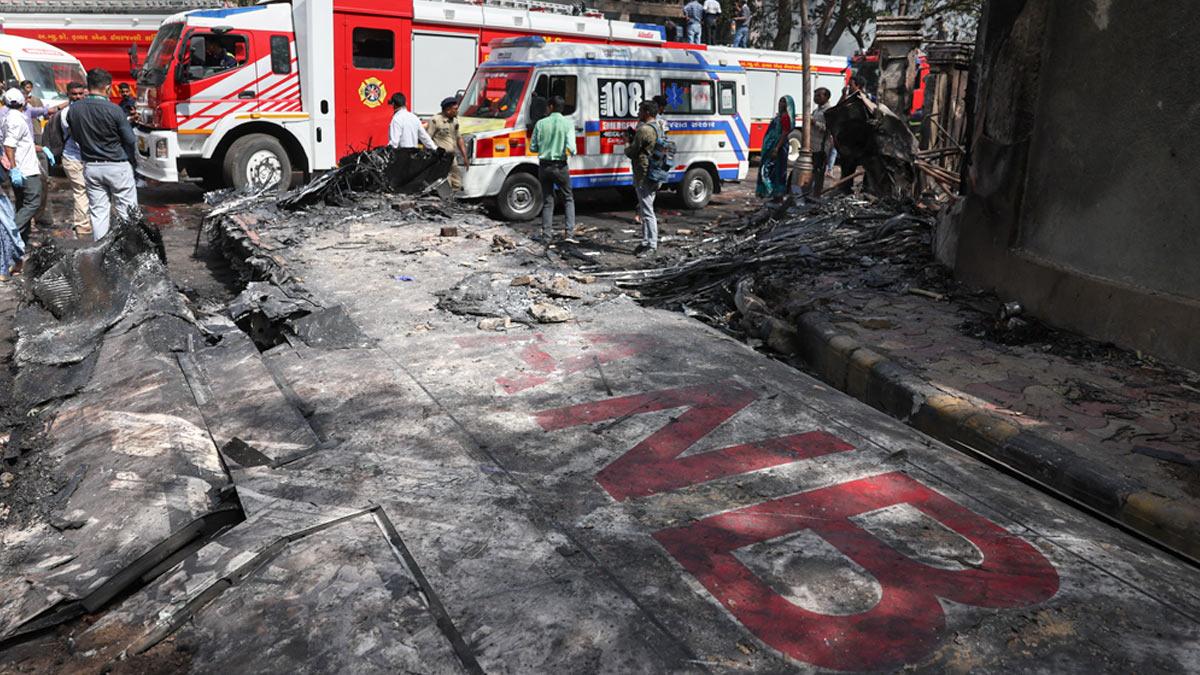
The pilots are not there to speak for themselves while Boeing and GE have not been questioned in the report.
Aviation is a critical business and flying is a difficult profession.
That is why an investigator should speak, not the public.
When an investigator speaks, he speaks from the authority of an investigator.
The preliminary report has just stopped short of saying what of the two or four possibilities could have caused the crash.
They have given a sense of direction.
The validation process will be done in a year.
If it is found that it was a software or a hardware glitch then definitely the issue will come up with Boeing.
Otherwise I don't think anyone needs to know any more information.
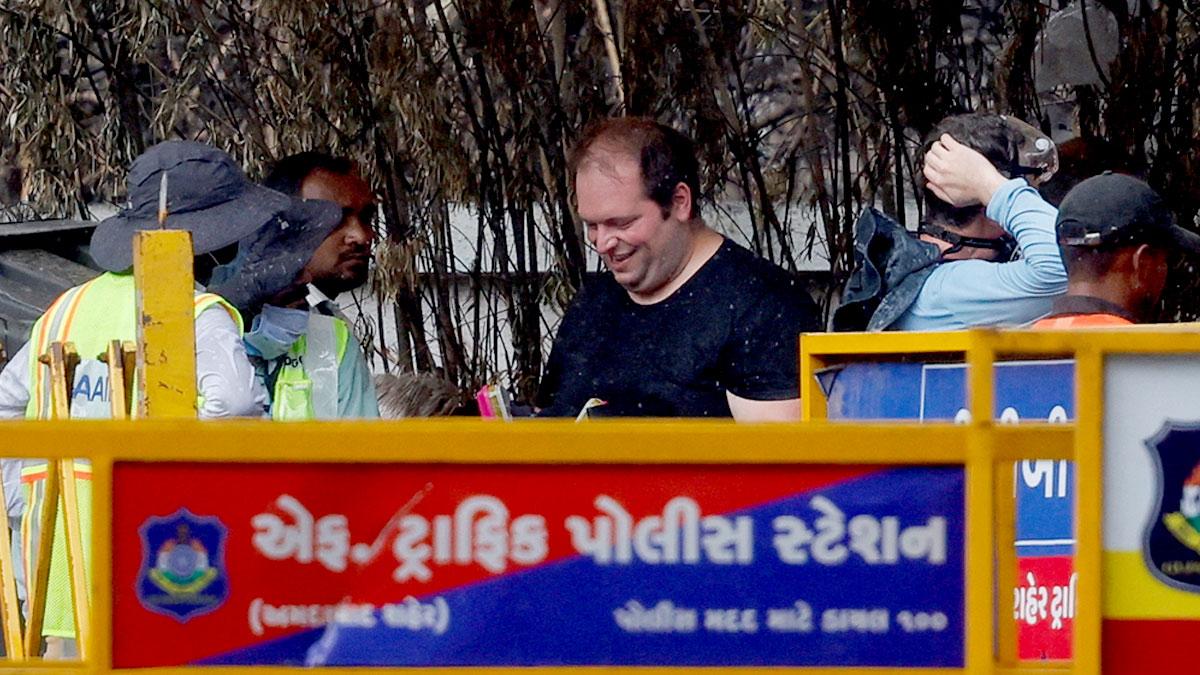
The FAA had issued an advisory about the potential disengagement of the fuel control switch locking feature.
[The FAA had issued a Special Airworthiness Information Bulletin in 2018, regarding the potential disengagement of the fuel control switch locking feature.
The airworthiness concern was not considered an unsafe condition that would warrant an airworthiness directive by the FAA.]
This is a flagged issue in the report. There was an advisory to check the fuel cut-off switches, including the Dreamliner. Such advisories are released when an issue is noticed across the fleet. Hence this advisory was issued to all airlines operating the aircraft worldwide.
Air India did not implement the advisory and do the checks because it was an option and not mandatory.
This will be an issue when AAIB goes into depth.
AAIB has not placed any caution with Boeing, GE or any manufacturers regarding the hardware glitch. They possibly haven't raised it because they don't see it as a concern.
Investigation will reveal if this was the switch that had the same problem as mentioned in the advisory. God forbid if they find this was the switch that had the same problem that they asked to be replaced in the advisory.
But the question still remains why would a pilot go and touch the switch when there is no need for him to put his hand there during the take-off phase where there is a structured, procedural way of working.
Even if there is a switch issue, it can be a contributory factors and not a causal factor.
Feature Presentation: Aslam Hunani/Rediff