'Every film had its challenges, but Mr India, Sadak and Gandhi were the toughest.'
'Mr India needed imagination, Sadak needed sensitivity and Gandhi demanded historical authenticity.'
Before designers made their foray into Bollywood, film outfits would be tailored.
Madhav Agasti has designed outfit for over 400 movies in the last 50 years, including several iconic looks like Mogambo and Shahenshah.
He has also created outfits for Presidents and prime ministers.
In his memoir, Stitching Stardom For Icons, On And Offscreen, Mr. Agasti looks back at his career, and discusses tailoring for the greats.
"My journey is from a small town in Maharashtra to dressing up film legends, prime ministers, and Presidents. I've lived a life stitched together with hard work, faith, and gratitude," M. Agasti tells Patcy N/Rediff.
"I have never called myself a designer because I will always remain a tailor -- one who tried to bring dignity to his craft and insistence on the perfect fit."

You had a good bond with Amrish Puri and designed his costumes for Mr India's Mogambo and his Indiana Jones audition.
Amrishji was like an elder brother to me. He was strict on the outside, but with a big heart.
I made many of his costumes, but Mogambo became iconic.
We discussed that look so many times.
He wanted something grand, but not cartoonish. The golden uniform, the collar, the detailing -- we built it, piece by piece.
When he was auditioning for Indiana Jones And The Temple of Doom, I made his costumes for a look test taken by Steven Spielberg.
He called me later and said, 'Madhav, they loved it!'
That joy in his voice was priceless!
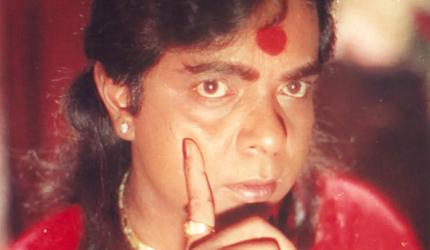
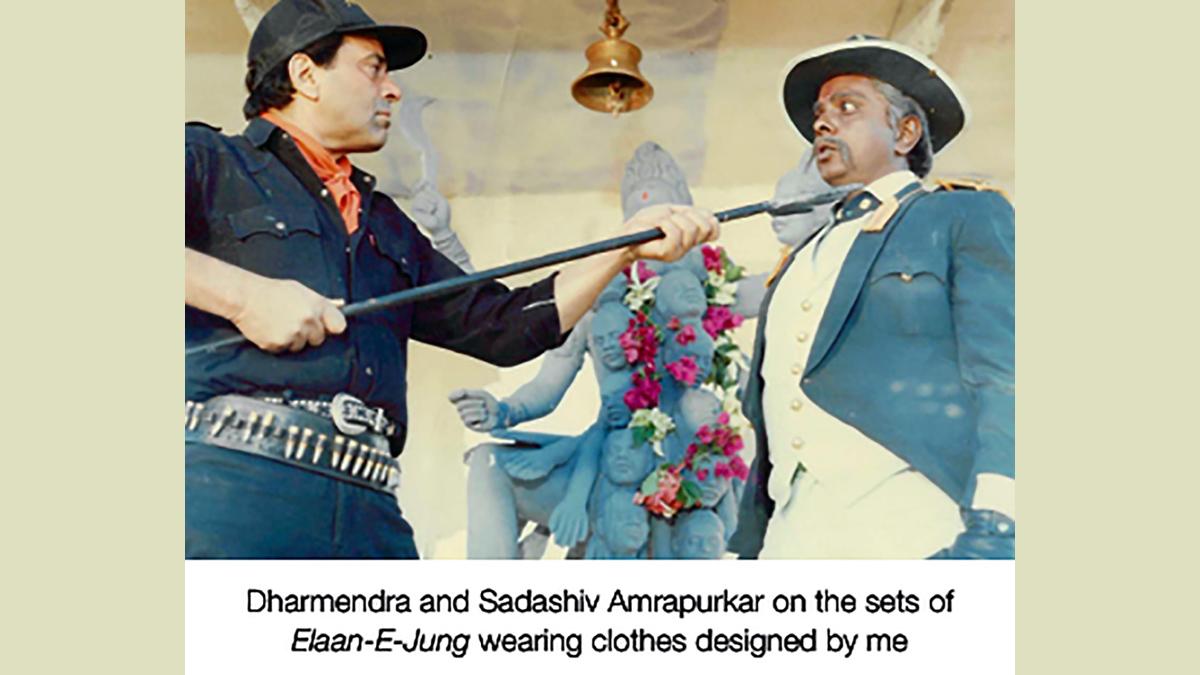
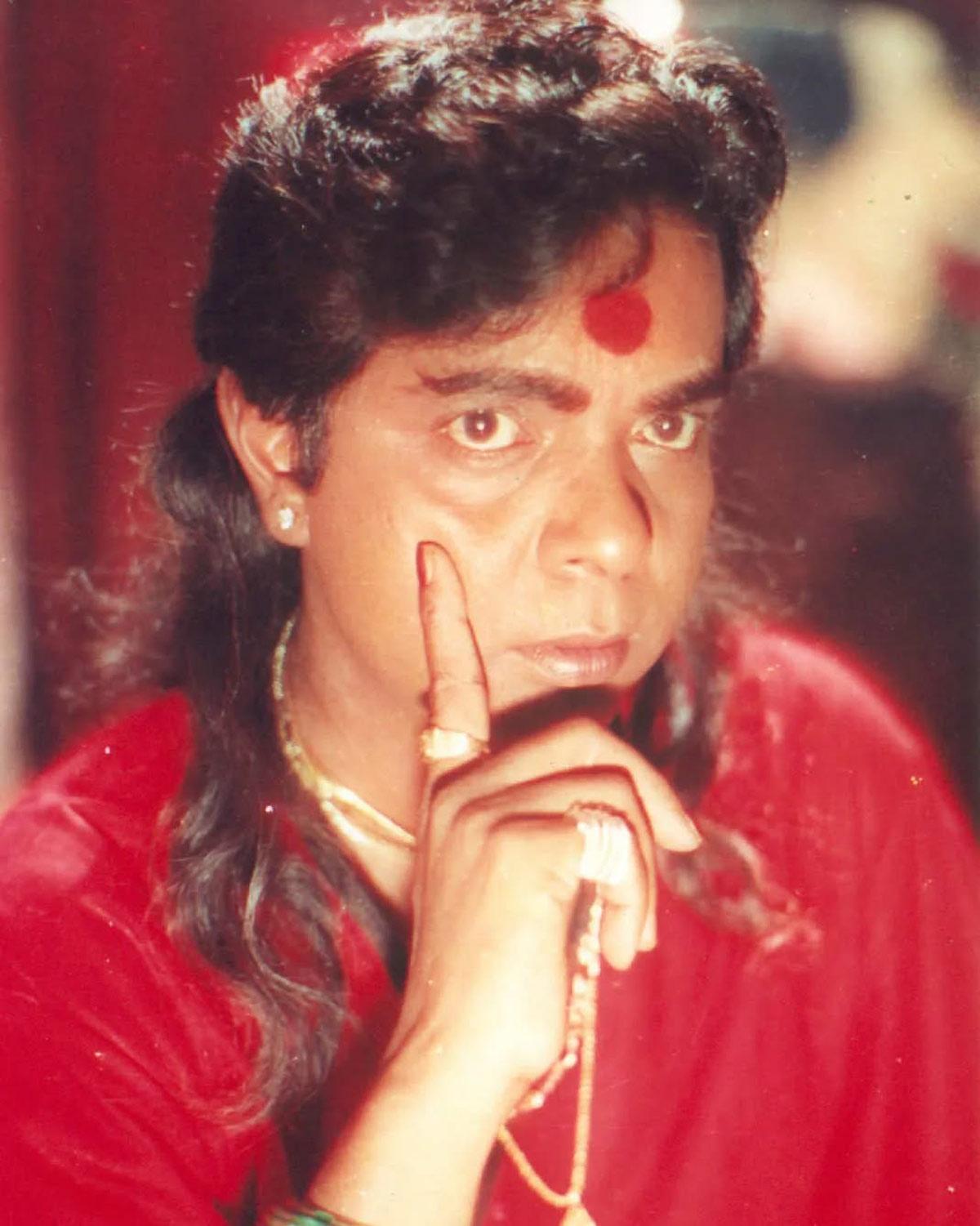
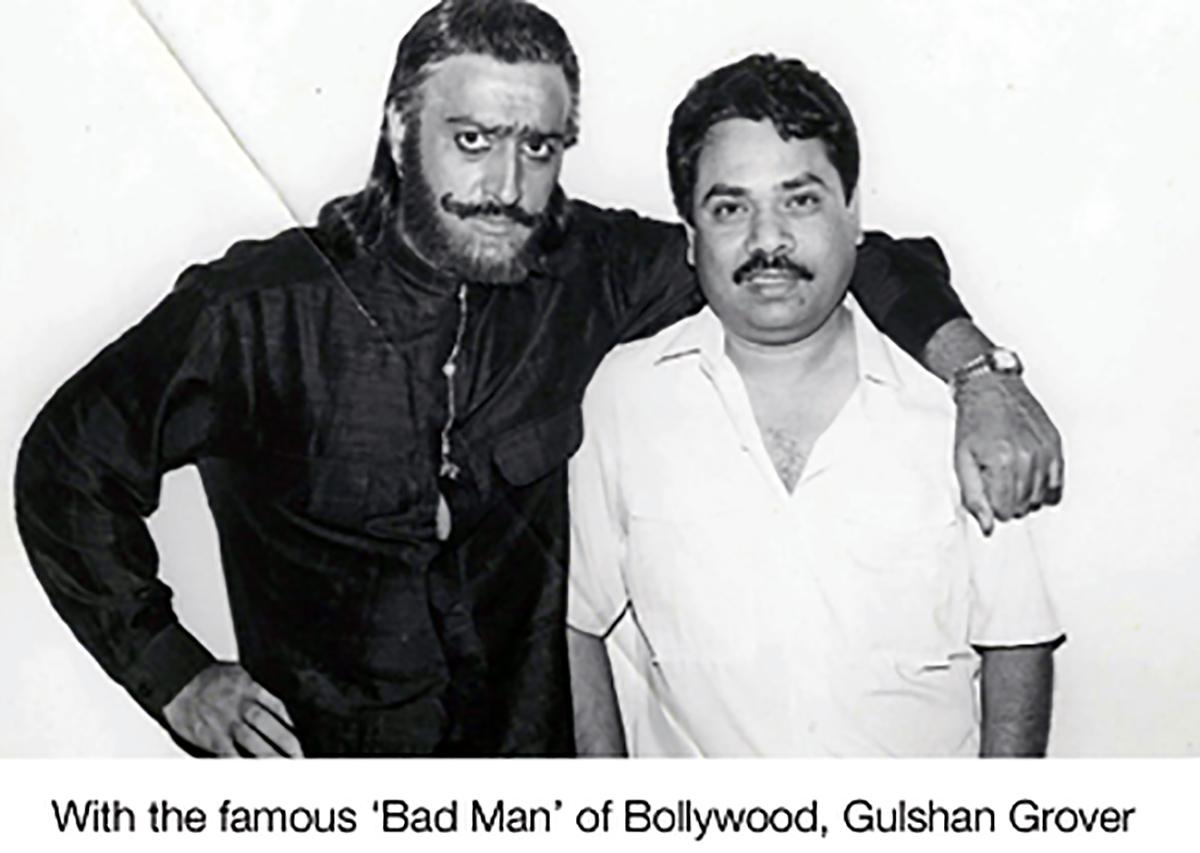
You have designed for other screen villains too like Gulshan Grover's Bad Man (Ram Lakhan) and Sadashiv Amrapurkar's Maharani (Sadak).
Villains are the most interesting to design for!
You get to play with personality, texture, and imagination.
For Bad Man, we wanted Gulshan Grover to look dangerous yet stylish -- sharp lines, bold colours, swag.
For Maharani, it was a challenge.
The character was complex -- part feminine, part menacing. We used rich fabrics but aged them, added subtle distressing. Small details made the character unforgettable.
Amjad Khan was a true friend. I once insisted on visiting a village called Dongaon in Maharashtra for a political event.
The whole village gathered to see 'Gabbar Singh'! He met everyone with warmth, sat under a tree, had chai, and told me, 'Now I know where your humility comes from.' I'll never forget that.
You designed Amitabh Bachchan's look in Shahenshah.
Shahenshah faced delays due to the political situation.
Balasaheb Thackeray played a pivotal role in getting the film released.
When I finally saw Amitabh Bachchan on screen in that iconic outfit, it made the wait worthwhile.
Why did you give up designing for films?
Amrish Puri's death was a personal loss for me.
We had shared so many years, so many stories, so many fittings.
After he passed away, I lost interest in designing for films. It didn't feel the same anymore.
I realised I had done everything I wanted to do in cinema. It was time to focus on personal clients, on tailoring, on creating timeless pieces rather than chasing films.
But even today, whenever I see Mogambo on screen, I feel emotional.
It brings back everything -- the laughter, the arguments and the friendship.
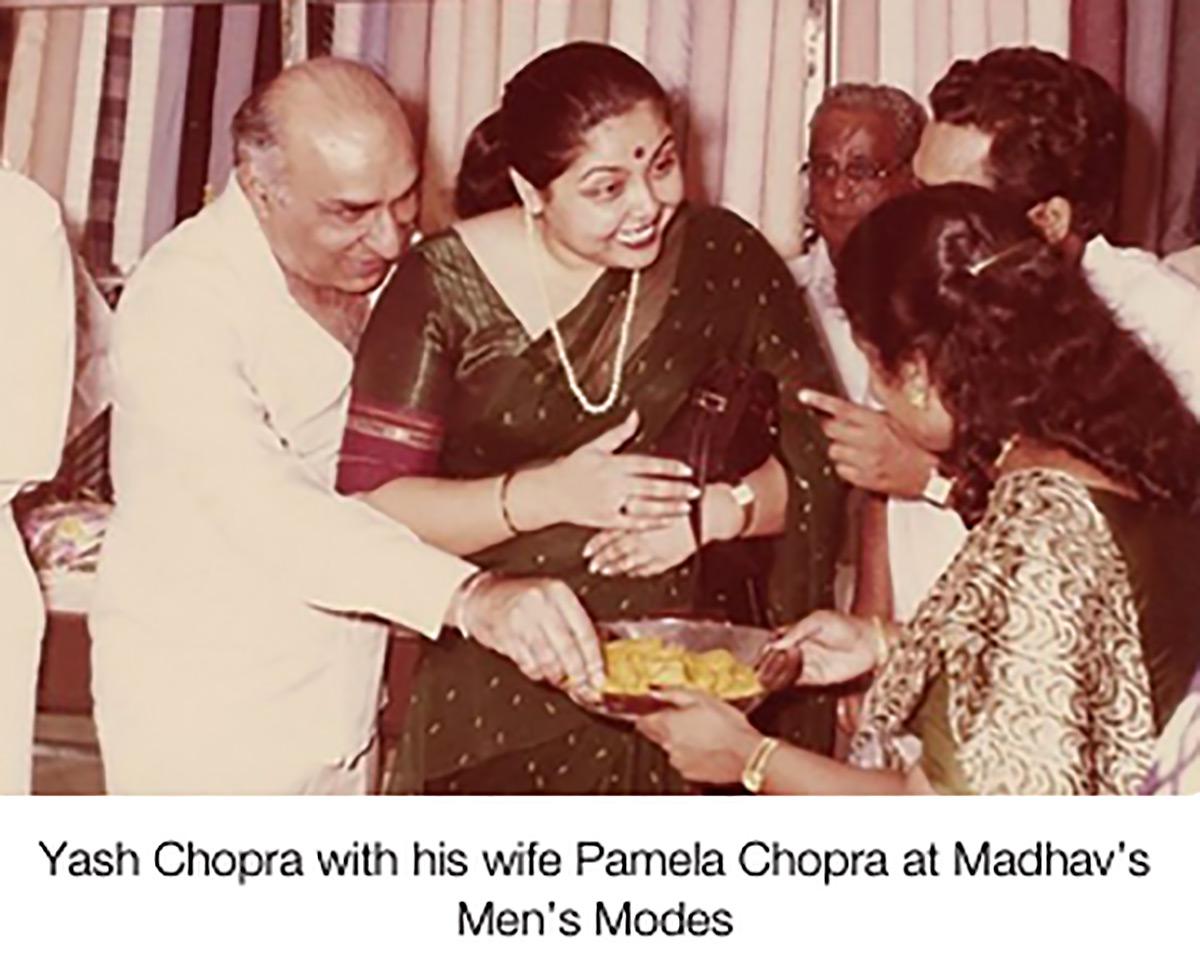
Yash Chopra helped you find a footing in the film industry.
Yes, Yashji played a very big role in my journey.
I had done some work for one of his assistant directors, and Yashji happened to notice the fit of a jacket I had made.
He gave me a chance to work on costumes for most of his films.
He liked my discipline -- I was always on time, never argued, and delivered exactly as he wanted.
Tell us about your working relationship with actors like Sanjeev Kumar, Girish Karnad and Amol Palekar.
Sanjeev Kumar was not just a fine actor, he was a wonderful human being. Very simple, very sincere. I designed many of his costumes.
When he passed away, it felt like losing a dear friend.
The day of his funeral was on the same day as the inauguration of my second shop. I couldn't bring myself to celebrate, so I postponed it.
Girish Karnad and Amol Palekar were brilliant minds -- they brought theatre discipline into cinema. Working with them was like attending a masterclass in storytelling.
Rakesh Bedi, Johnny Lever and Paresh Rawal have spoken very highly of you.
Rakesh Bedi has been a client and friend for decades.
Johnny Lever is full of energy. He would always come for outfit trials with a big smile and make everyone laugh in the shop.
Paresh Rawal is a perfectionist. He knows exactly what he wants and appreciates craftsmanship.
They have all achieved so much, and yet remained humble.
You worked with the Kapoors too, as well as Dev Anand, Dilip Kumar and Pran.
The Kapoors were like royalty -- full of grace and warmth.
Dev Anand was pure class, very particular about the details.
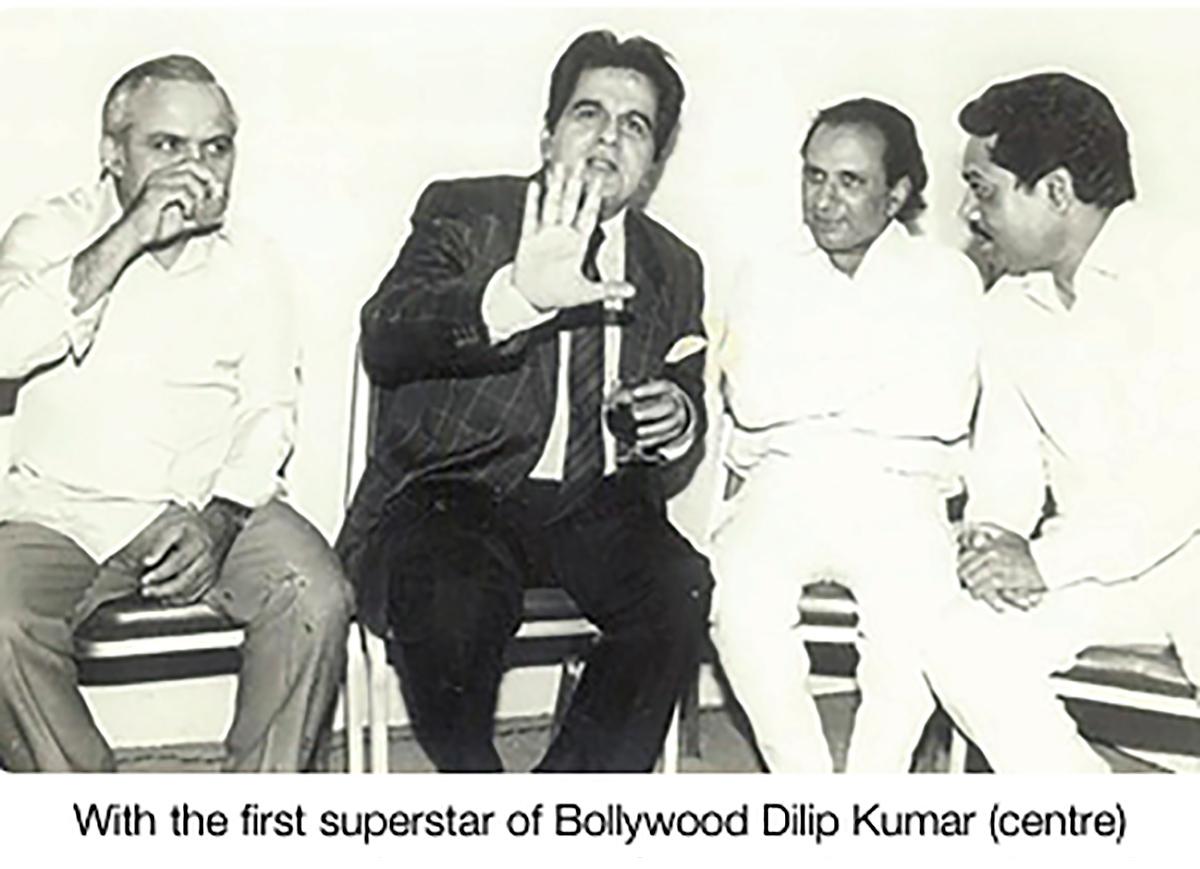
Dilip Kumarsaab carried quiet dignity. Dressing him up felt like dressing Indian cinema itself.
Pransaab wore every outfit with pride and precision.
You have worked on over 400 films. Which was the toughest?
Every film had its challenges, but Mr India, Sadak and Gandhi were the toughest.
Mr India needed imagination, Sadak needed sensitivity and Gandhi demanded historical authenticity.
You did not take credit for Gandhi.
Yes. I worked on some of the Indian costumes. I didn't take credit because at that time, I needed the money.
When I saw the film later and recognised my work, that quiet satisfaction was enough.
You once visited your hometown Mehkar in Maharashtra with Rajesh Khanna.
Rajesh Khannaji was larger than life. The people in Mehkar couldn't believe it! He met everyone like an old friend.
Later he told me, 'Now I see where your roots are.' That line meant everything to me.
That's my journey -- from a small town in Maharashtra to dressing up film legends, prime ministers, and Presidents.
I've lived a life stitched together with hard work, faith, and gratitude.
I have never called myself a designer because I will always remain a tailor -- one who tried to bring dignity to his craft and insistence on the perfect fit.
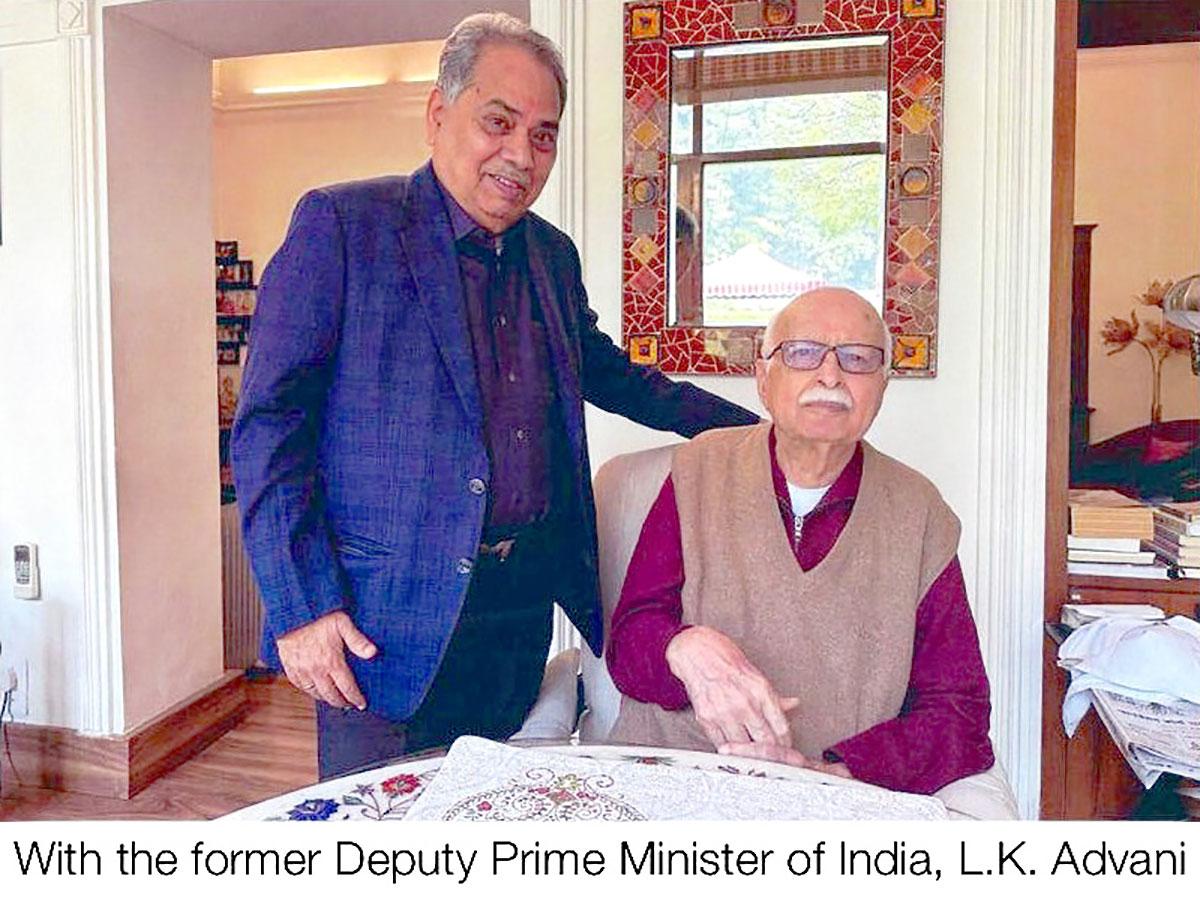
Besides actors, you have stitched clothes for politicians like Farooq Abdullah, Ghulam Nabi Azad and L K Advani.
Each of them had a distinct style.
Farooq Abdullah liked elegance, sharp, and simple lines.
Ghulam Nabi Azad preferred classic Indian wear, always very neat.
Advaniji was very particular -- the fit had to be perfect. No compromise.
When you work with such people, you understand discipline in a different way. They value your time, they respect your skill, and they never forget your work.
For a star, you dress the character. For a politician, you dress the person.
An actor's look changes with every film -- it's part of the story. But a politician's clothes become his identity.
So with politicians, you have to think long-term -- comfort, respectability, and consistency. The colour, the fabric, even the pocket placement, everything carries meaning.
Balasaheb Thackeray helped you a lot.
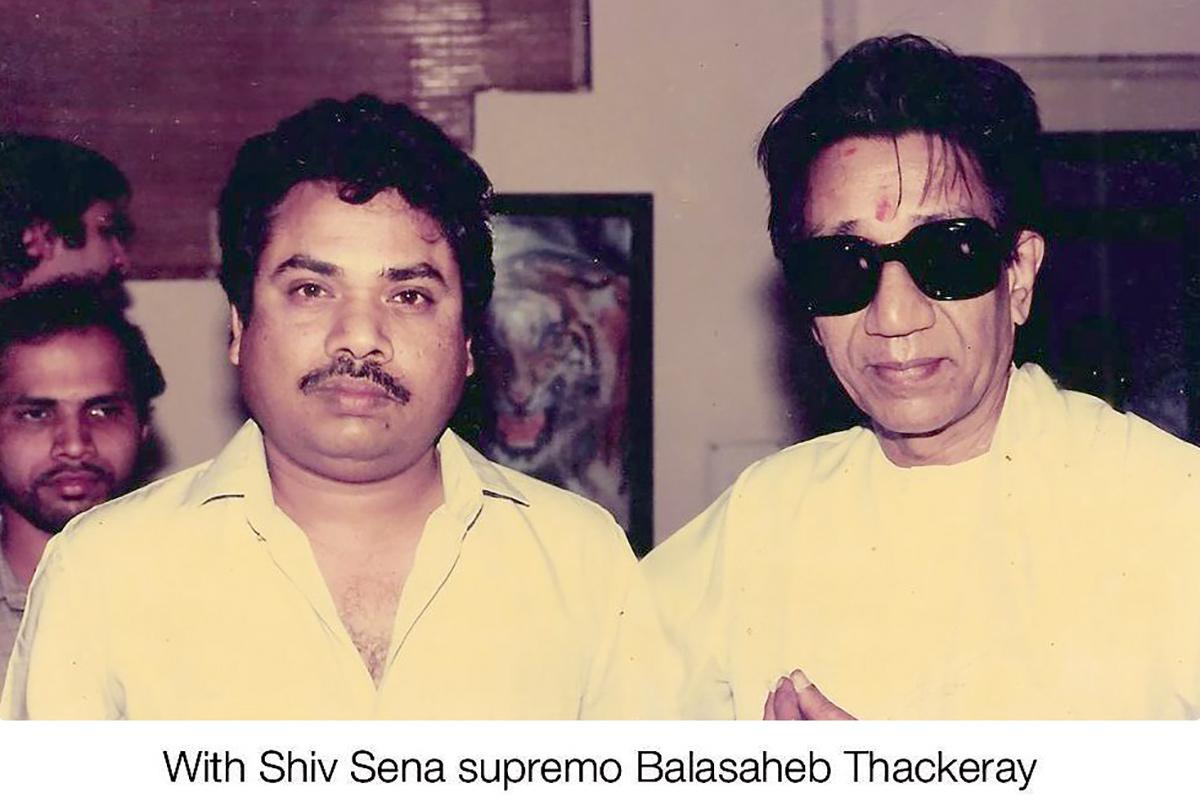
Balasaheb was one of a kind -- sharp, witty, and deeply loyal to those he trusted.
He had a keen eye for detail.
He knew fabrics, cuts, even the fall of the cloth.
Over time, our bond grew personal.
He respected hard work, and once you earned his trust, he never forgot you.
His support gave me courage in my early years in Mumbai.
You have made clothes for Maharashtra politicians like Sharad Pawar, Vilasrao Deshmukh, Narayan Rane, Gopinath Munde.
Each of them had a distinct personality and dressing style.
Narayan Rane liked crisp tailoring, very structured and clean.
Gopinath Munde was more traditional. He preferred comfort and simplicity.
Sharad Pawar had a commanding presence; his clothes had to reflect authority.
Vilasrao Deshmukh was a true gentleman -- warm, grounded, always smiling.
For me, stitching for them was not just work. It was a matter of pride to represent Maharashtra's leadership through my craft.
You stitch clothes for Maharashtra Chief Minister Devendra Fadnavis even today. He wrote the foreword for your book.
Our association goes back many years to Nagpur.
When I requested him to write the foreword for Stitching Stardom, he immediately agreed.
He understands the value of tradition, of work done by hand. His words in the book mean a lot to me and my family.
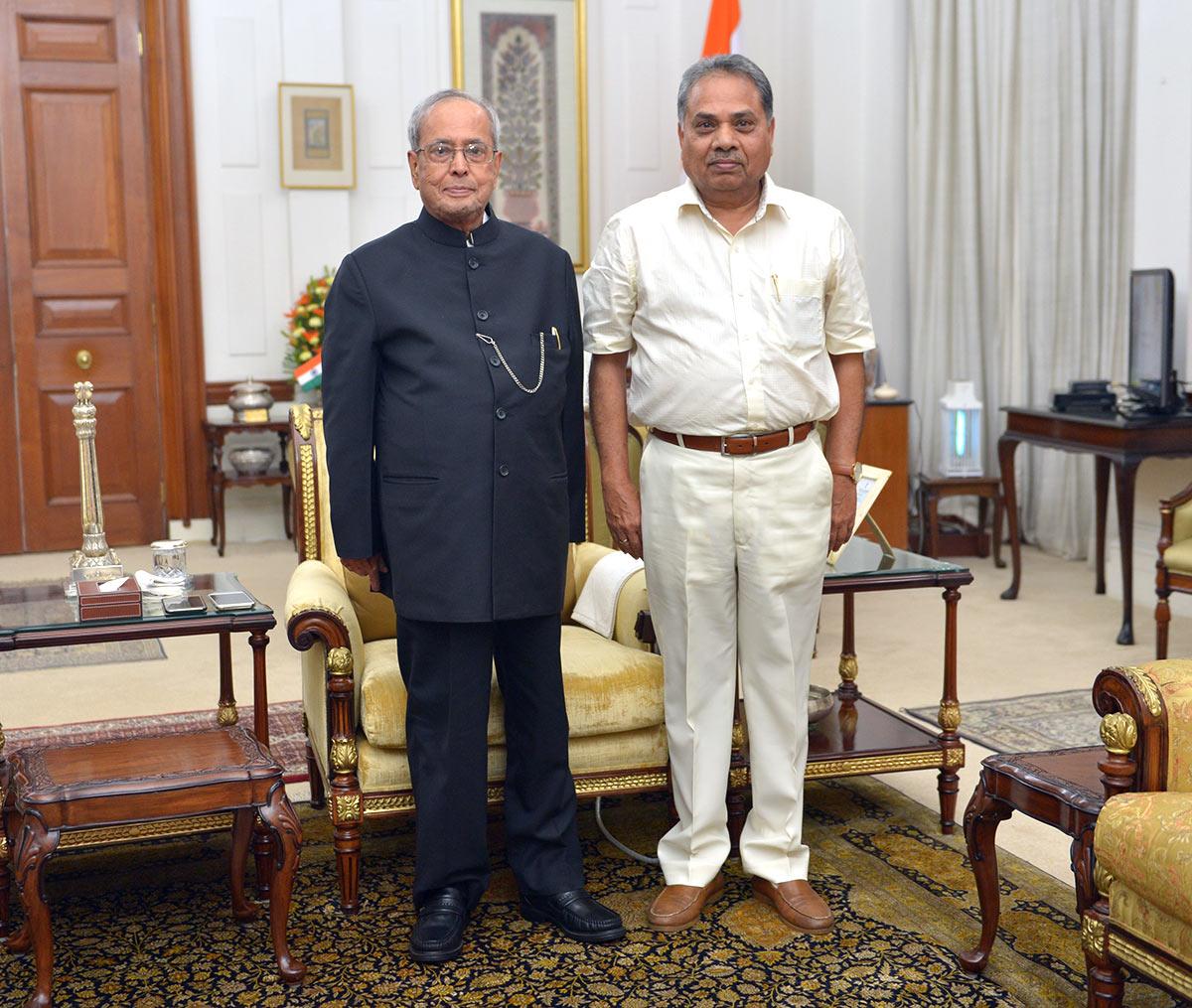
You have dressed Presidents and prime ministers.
It was a great honour.
Narasimha Raoji was simple and dignified.
President Pranab Mukherjee and Ram Nath Kovindji were gentle and respectful.
Designing for such leaders felt like serving the nation through my craft.
How did you start your tailoring career?
I was born in Nagpur. I left home to find work and learn the craft seriously.
I went wherever there was opportunity, from Gwalior, Delhi, Uttar Pradesh, Kolkata -- each place taught me something new.
In those days, survival was a challenge.
I didn't have money or contacts, just my hands and a pair of scissors.
I used to work long hours in small tailoring units, learning, observing, understanding what customers liked.
Sometimes I slept in the shop itself. But I never complained.
My first visit to Mumbai was not to settle down. I came to see how the tailoring business worked in a big city.
I wanted to understand the difference -- the fabrics, the finish, the customer's taste.
After that, I went to Calcutta because at that time, it was a big hub for tailoring, especially for films and theatre.
I wanted to polish my skills, so I would observe senior cutters and how they shaped the garments.
Calcutta gave me that refinement.
How did you start tailoring for Bollywood?
When I came back to Mumbai, I had nothing, just my bag and my scissors.
I lived on the streets.
Soon, I got a job in a famous tailoring shop.
Slowly, through word-of-mouth and support of few film stars, I started my small shop.
One day, I got a chance to work on a full costume, and that changed everything.
The production team liked my work, and soon I started getting calls from assistant directors and stylists.
Danny Denzongpa was one of the first big stars I personally took measurements for.
I was nervous -- my hands were shaking! But Danny was very kind and humble.
After I made his outfit, he came back and said, 'Perfect fit.' That gave me so much confidence.
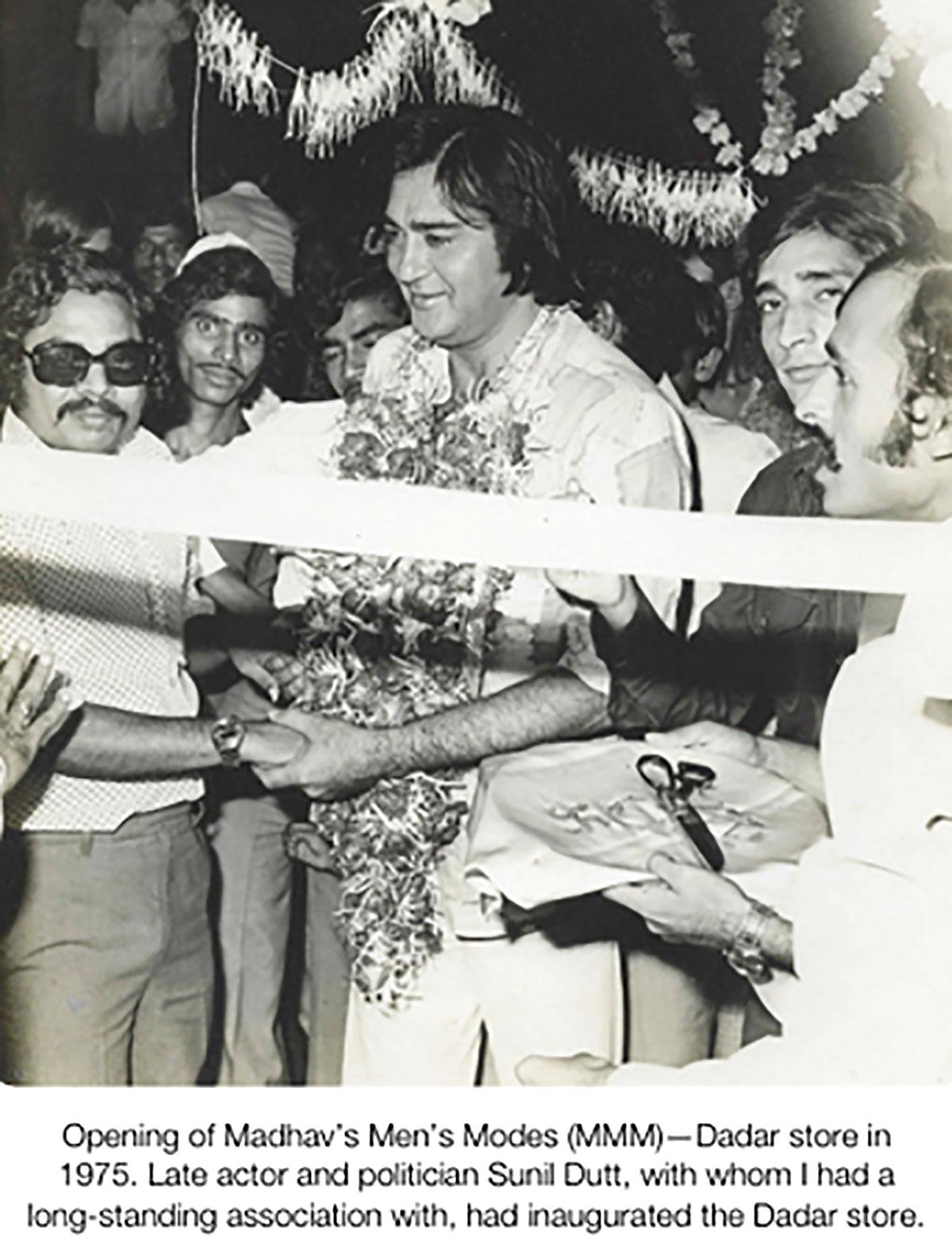
Sunil Dutt came to the school you attended in Nagpur as a chief guest. He also inaugurated your first store in Mumbai.
That's a very special memory. The school's management wanted Sunil Dutt as chief guest for their annual day.
I had worked with him in many films, and that's why requested him to come to Nagpur. He agreed instantly.
Duttsaab also inaugurated my first store in Dadar (north central Mumbai).
You worked in the South Indian film industry. Was it difficult?
Very difficult. The South industry had its own ecosystem, its own teams and traditions.
I didn't know the language or the people.
What worked in my favour was my discipline.
Once they saw the quality of my work and the respect I had for deadlines and detailing, they accepted me.
After that, I started doing regular projects for Tamil and Telugu films.
They are very professional. Once you prove yourself, they stay loyal.
Photographs curated by Satish Bodas/Rediff