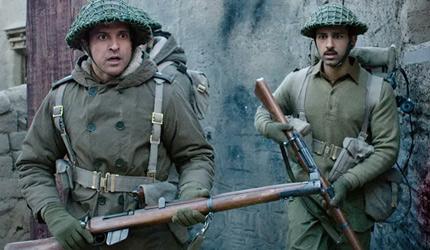
'The war scenes in which Indian soldiers fight fearlessly and the powerful dialogues are meant to make the audience proud of the loyalty and valour of Indian soldiers,' observes Deepa Gahlot.

Back in 1964, when the wounds inflicted by the 1962 India-China war had not yet healed, and it was possible to make a film about defeat, Chetan Anand written and directed Haqeeqat about a small group of brave Indian soldiers, who defended the cold and snowy outpost of Rezang La in Ladakh, vastly outnumbered by the Chinese. They kept waiting for reinforcements or orders to attack first, and later, to retreat, and gave up their lives to protect the Indian territory.
Excel Entertainment's 120 Bahadur is based on the battle of Rezang La and stars Farhan Akhtar as Major Shaitan Singh Bhati, the ill-fated but courageous chief of Charlie Company, that Balraj Sahni had played in the black-and-white Haqeeqat.
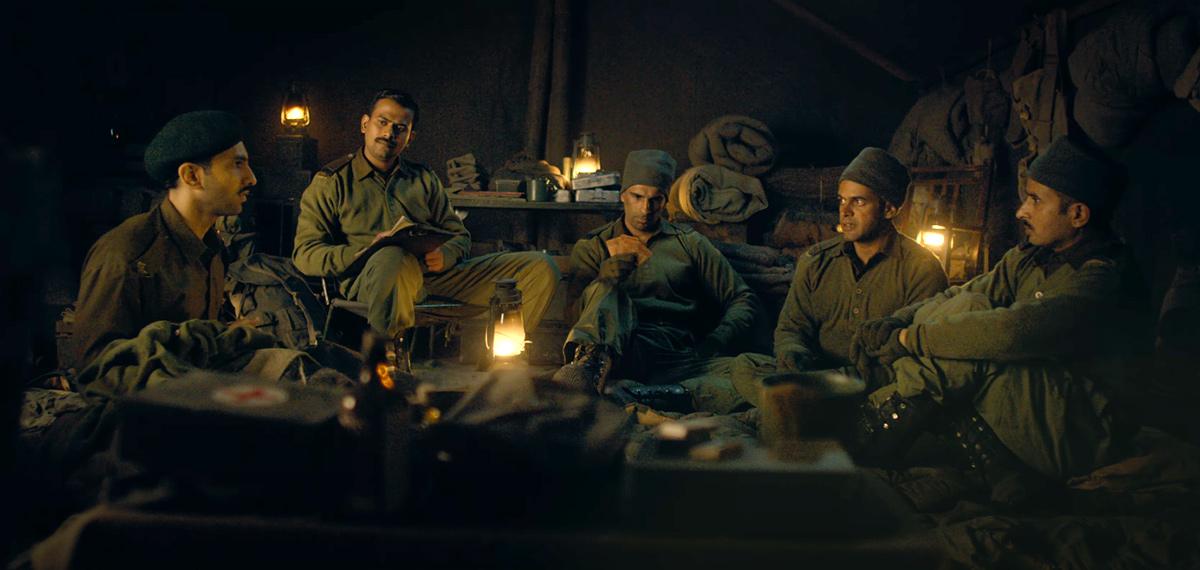
The new film, with its mainstream gloss, uses rousing dialogue and visuals of the Indian soldiers' determination and valour, where Chetan Anand had the benefit of Kaifi Azmi's lyrics and Madan Mohan's music to create timeless, emotion-stirring songs like Ab Tumhare Hawale Watab Sathiyon, Hoke Majboor Mujhe, Main Yeh Sochkar Uske Dar Se and Zara Si Aahat Hoti Hai.
By the end of the film, there couldn't have been a dry eye in the audience.
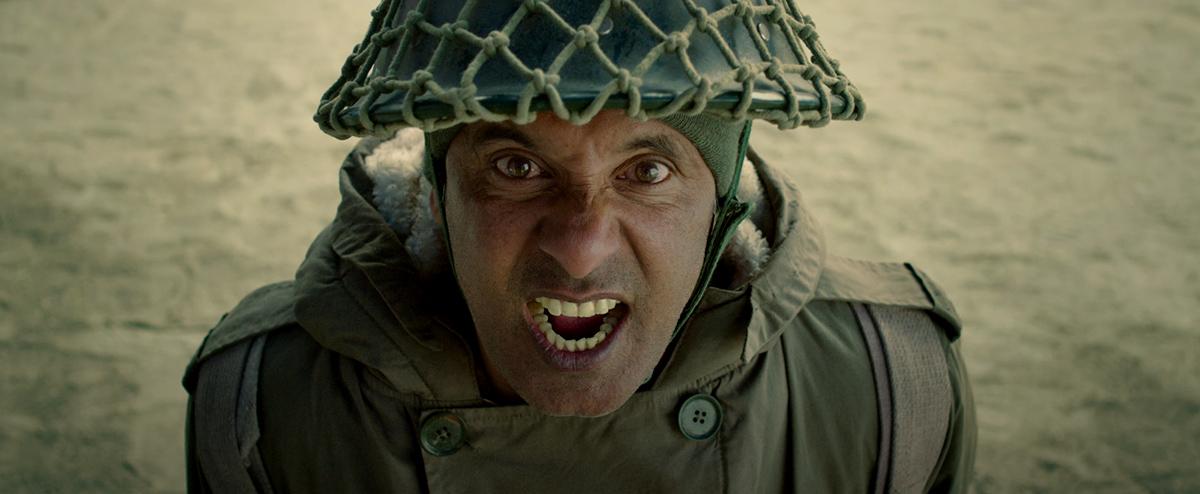
120 Bahadur, directed by Razneesh 'Razy' Ghai and written by Rajiv G Menon, has to keep with the times, both in terms of visual quality (when there's a line about blood, there are drops of red falling in slow motion on the snowy ground) and the uber nationalistic mood of the audience.
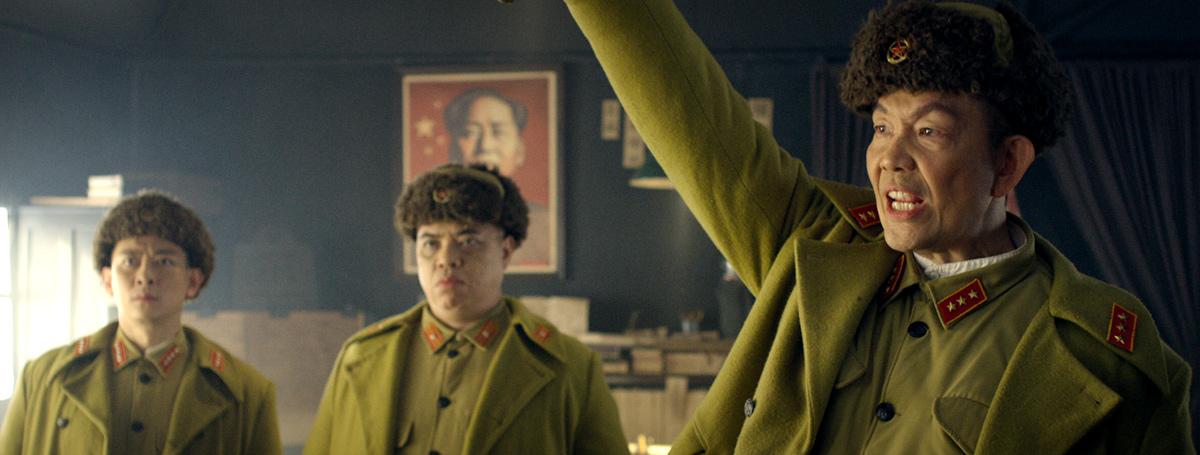
The Hindi-Chini bhai-bhai betrayal of 1962 now has added layers because of the place of India and China in the current geo-political set-up.
The film's title comes from the fact that 120 Indian soldiers faced a 3,000-strong Chinese army.
The war scenes in which Indian soldiers fight fearlessly and the powerful dialogues are meant to make the audience proud of the loyalty and valour of Indian soldiers.
'You are son of farmers,' goes a dialogue, 'it's no longer a matter of zameen (land) but sarzameen (nation).
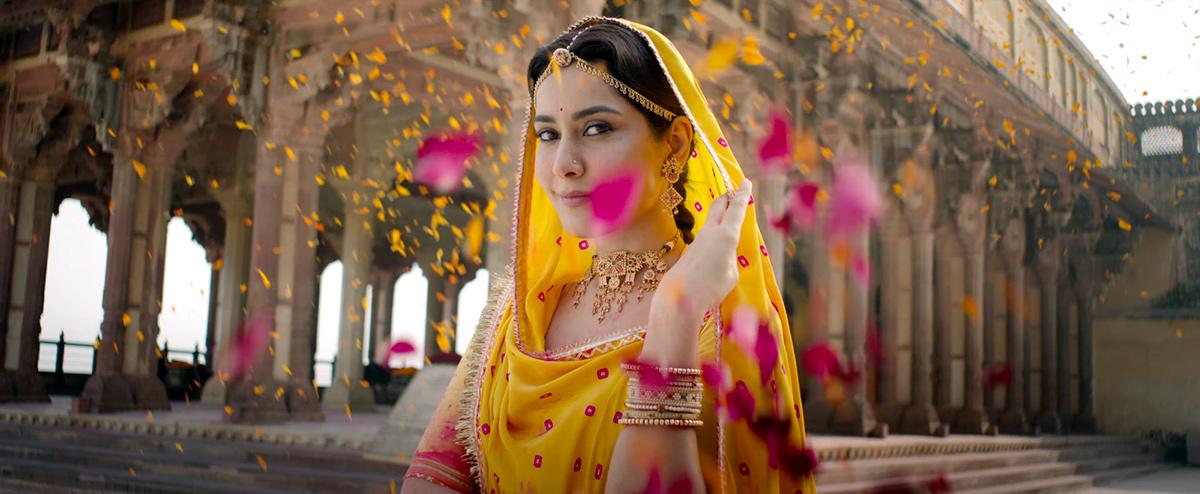
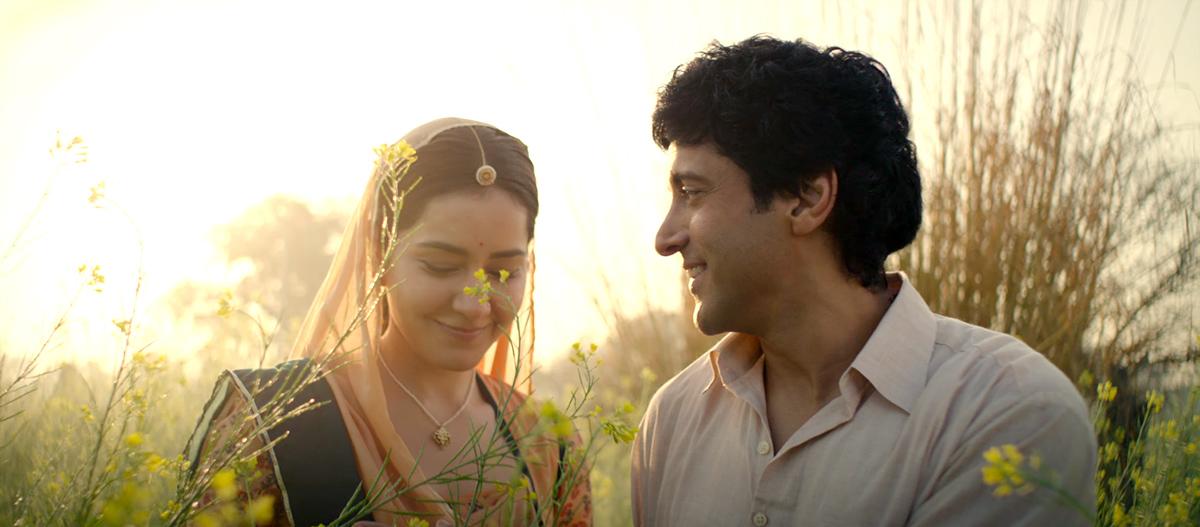
There are scenes of the soldiers' families and their celebrations before duty and patriotism takes them to the war front, for that added sense of their sacrifice.
Major Shaitan Singh was conferred a posthumous Param Vir Chakra -- the highest medal awarded for gallantry at war time -- and the others won gallantry awards too, for fighting to the last man.
Maybe one film was not enough to tell their story and honour their memory.
120 Bahadur releases in theatres on November 21.
Photographs curated by Satish Bodas/Rediff