'I played five different versions of Woh Subah Kabhie Toh Aayegi for Raj Kapoor, only to be greeted with a totally blank reaction.'
'Thereafter, for 40 minutes, he disappeared, leaving us baffled.'
'But when he emerged, he couldn't stop appreciating our efforts!'
'He said Sahir Ludhianvi's writing was sheer poetry and since all my five tunes were equally wonderful, he would leave it to my discretion to chose the final tune.'
'What could be greater appreciation for an artiste?'
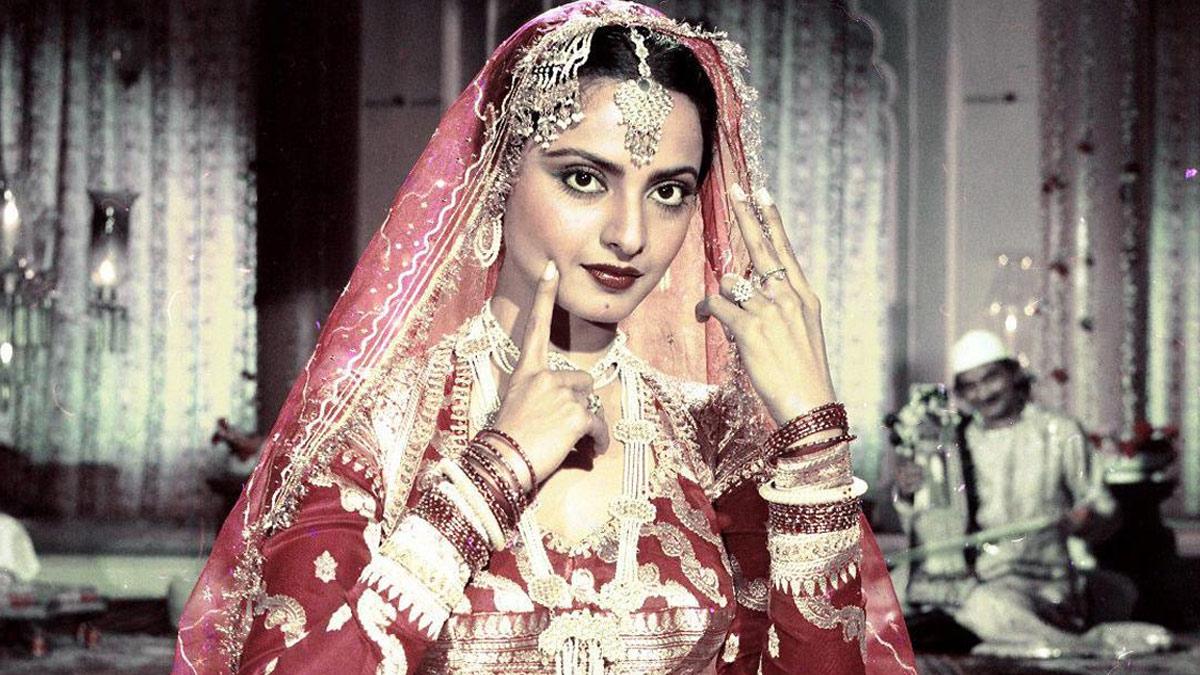
Kabhi Kabhi Mere Dil Mein, Dil Cheez Kya Hai, Hazaar Rahen Mud Ke Dekhin, Aaja Re O Mere Dilbar Aaja or Aye Dil-E-Nadan... any of the innumerable gems burnished by Composer Khayyam have a lilting melody and intricate orchestration in common.
Dinesh Raheja revisits a two-decade-old interview with the music maestro on his sixth death anniversary on August 19, where the latter said, "Thankfully, the Mumbai film industry has always afforded me the luxury of working on my own terms."
You composed popular songs for Dilip Kumar and Raj Kapoor in the 1950s as well as for Rekha and Rajesh Khanna in the 1980s. What do you attribute this longevity to?
I came from a small town, Rahon, near Jalandhar in Punjab, but the film industry and the city of Mumbai have showered me with blessings.
I am not talking about material rewards. I am referring to the appreciation of the public and the encouragement of knowledgeable music critics.
Thanks to the supportive public and the press, I have able to stick to my resolve to emphasise quality, and not quantity, throughout my career.
That's true. You have composed music for only 53 films over half a century despite unforgettable music in Kabhi Kabhie, Phir Subah Hogi, Footpath, Trishul, Thodisi Bewafai, Noorie and the unforgettable Umrao Jaan.
I give my assent to compose for a film only when I find that there is some scope for my music in the film.
Otherwise, with folded hands, I refuse the offer.
Recently, at the age of 77, I have started working on a new film, Bazaar E Husn, based on a literary novel authored by Munshi Premchand. It stars Om Puri and other actors.
I took a year to sign the film because the songs had to be first fitted into the script and the situations worked out for each of them.
I have recorded three regular songs and two folk songs, including a seven minute long duet Anjaani Hoon Mehfil Se, Begaani Hoon Manzil Se in Alka Yagnik and Kavita Krishnamurthy's voices.
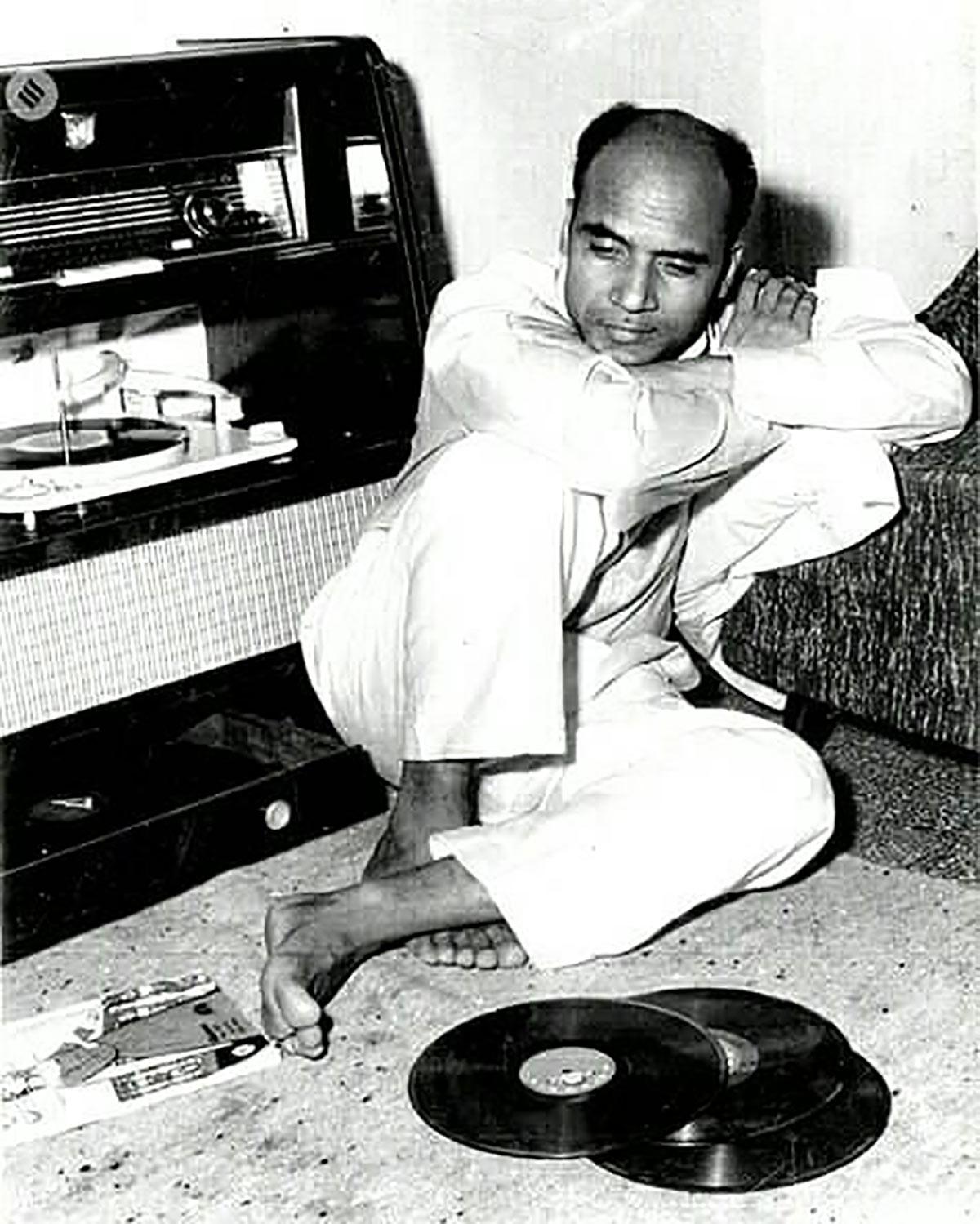
Did you come to the film world with the idea of becoming a composer?
I came to Bombay in February 1947, at the age of 21, because I was keen on becoming an actor.
Really! Not many people are aware of that.
I had a full head of hair in those days (laughs). From a young age itself, I was determined to work in what was then known as the 'Bioscope'.
At the time, in the film industry, it was a prerequisite for an actor to be a trained singer, so I veered towards music. I started training in music only because I thought it would help me become a hero.
I learnt all about the raag-raaginis from Pandit Husnlal Bhagatram in Delhi at a time when they were working for HMV and had not become film music directors as yet.
I also studied under their elder brother Pandit Amarnath. After I had completed a brief stint in the military, my first job was assisting music director Chishti Baba for a film. I learnt a lot from him too.
When I came down to Bombay in the late 1940s, my gurus Husnlal-Bhagatram had emerged as the first music director duo who composed for films together.
Fortunately for me, Pandit Husanlal-Bhagatram were among the top music composers (thanks to their hit scores in Suraiya films like Pyar Ki Jeet and Badi Bahen) and as soon as I arrived in Bombay, they gave me a break as a singer in Nargis's home production, Romeo And Juliet (1947).
My acting career didn't take off but they gave me a chance to sing some songs in their films.
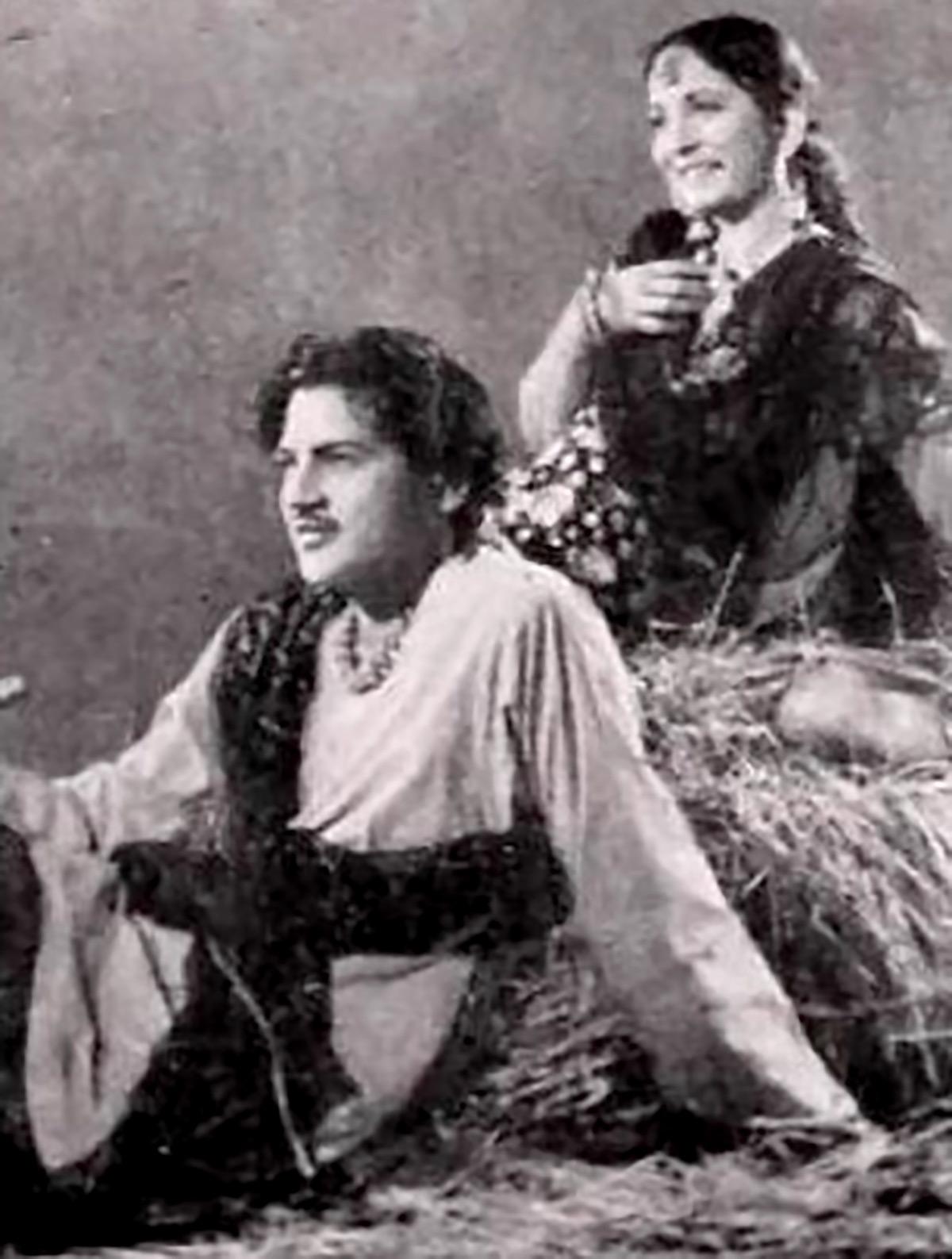
Just as you gave up your acting dream, you sidelined singing too for music direction?
Incidentally, I still sing and regularly do my riyaaz. But I grew increasingly interested in composing.
Soon, under the name Sharmaji, and along with my partner Rehman, I became part of a composing duo.
As Sharmaji-Vermaji, our screen names, we composed about five-six songs for Heer Ranjha (1948), and then composed music for a few memorable films like Biwi (1950
Give us a sense of what recording film music was like in the early days.
For recording a duet in those days, it was imperative that both the male and female playback singers be present at the same time because there was no multi-track system.
I remember my early songs were recorded at Famous Studio in the Mahalaxmi neighbourhood of (south) Bombay. At that time, it was the first centrally air-conditioned recording studio in Asia.
Music directors were accorded a lot of respect. When greats like Husnlal-Bhagatram or Naushad entered the studio, the technicians, the director and the producer too would stand up and greet them warmly.
Unlike today, where marketing plays an important role, only genuinely successful tunes made it to the farmaish list of avid radio listeners.
Until the 1960s, juke boxes co-existed with record players, especially in Irani restaurants. It was very exciting to enter a restaurant and hear your compositions being played on the juke box.
How did you make the shift to becoming an independent, solo music director?
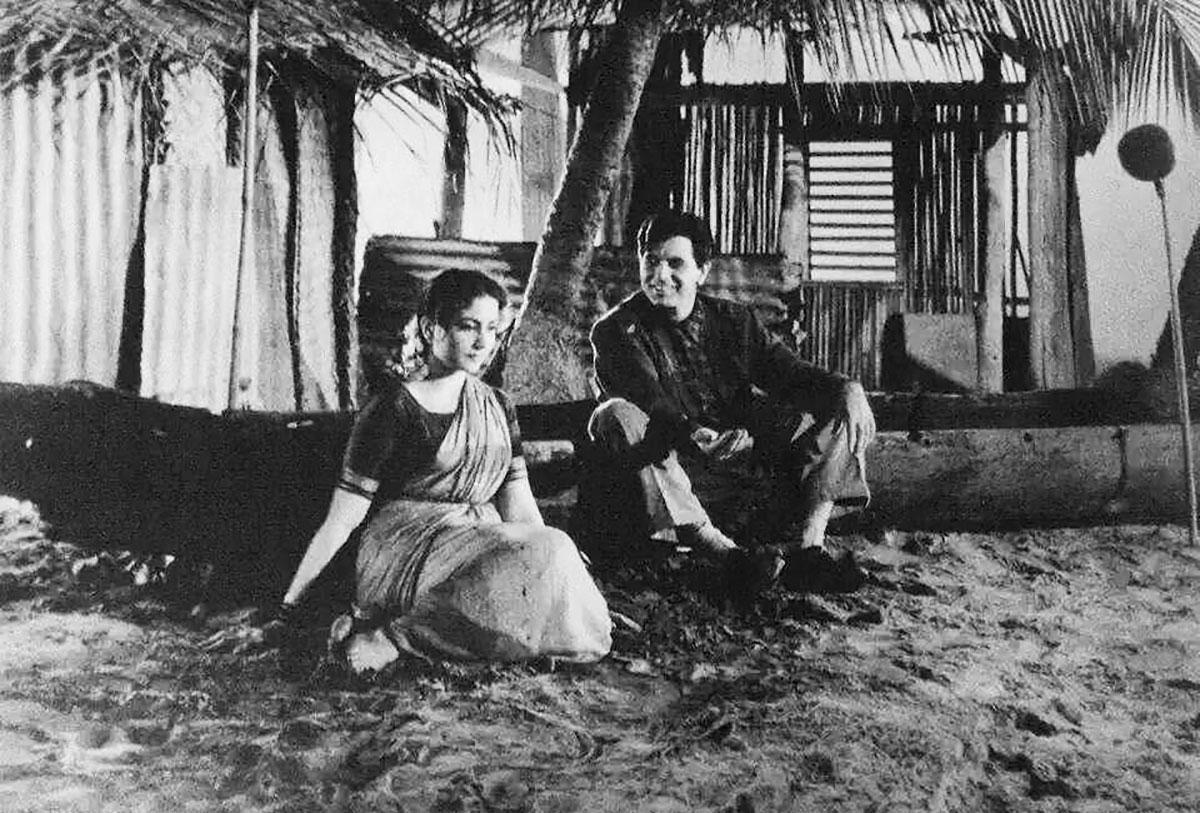
My first major brush with fame came in 1953 when Zia Sarhadysaab was making Footpath with Dilip Kumar and Meena Kumari. Ziasaab tested half-a-dozen music directors. I made it as the finalist, and with Footpath my screen credit read as 'Khayyam'.
The film's music was a big hit, especially Sham-E-Gham Ki Kasam, sung by Talat Mahmood and filmed on Dilip Kumar.
After that song, there was no looking back for you. How did you bag the Raj Kapoor starrer Phir Subah Hogi (1958) considering most of his films by then were tuned by Shankar-Jaikishan?
Renowned lyricist Sahir Ludhianvi was a very good friend of mine. He recommended my name to the film's director Ramesh Saigal.
The film's theme song Woh Subah Kabhie Toh Aayegi is a lustrously written and composed paean to hope in the midst of despair.
Ramesh Saigal agreed to sign me on for Phir Subah Hogi, but added that the final decision would rest with the film's hero, Raj Kapoor.
I played five different versions of Woh Subah Kabhie Toh Aayegi for Rajji, only to be greeted with a totally blank reaction initially.
Thereafter, for 40 minutes, he disappeared into another room, leaving us baffled. But when he emerged, he couldn't stop appreciating our efforts!
He said Sahir's writing was sheer poetry and since all my five tunes were equally wonderful, he would leave it to my discretion to chose the final tune. What could be greater appreciation for an artiste?
A personal favourite from your 1960s repertoire is the song Tum Apna Ranj-O-Gham sung by your wife Jagjit Kaur.
My wife Jagjit Kaur truly lives up to the Indian title ardhangini.
She is a well-known singer and is wonderful in the Tum Apna Ranj-o-Gham number from the Waheeda Rehman starrer Shagoon (1964).
In all my composing work, she has contributed 50 per cent. I have often asked her to share the name as well. but she refuses.
I feel our similar interests have kept us young and active.
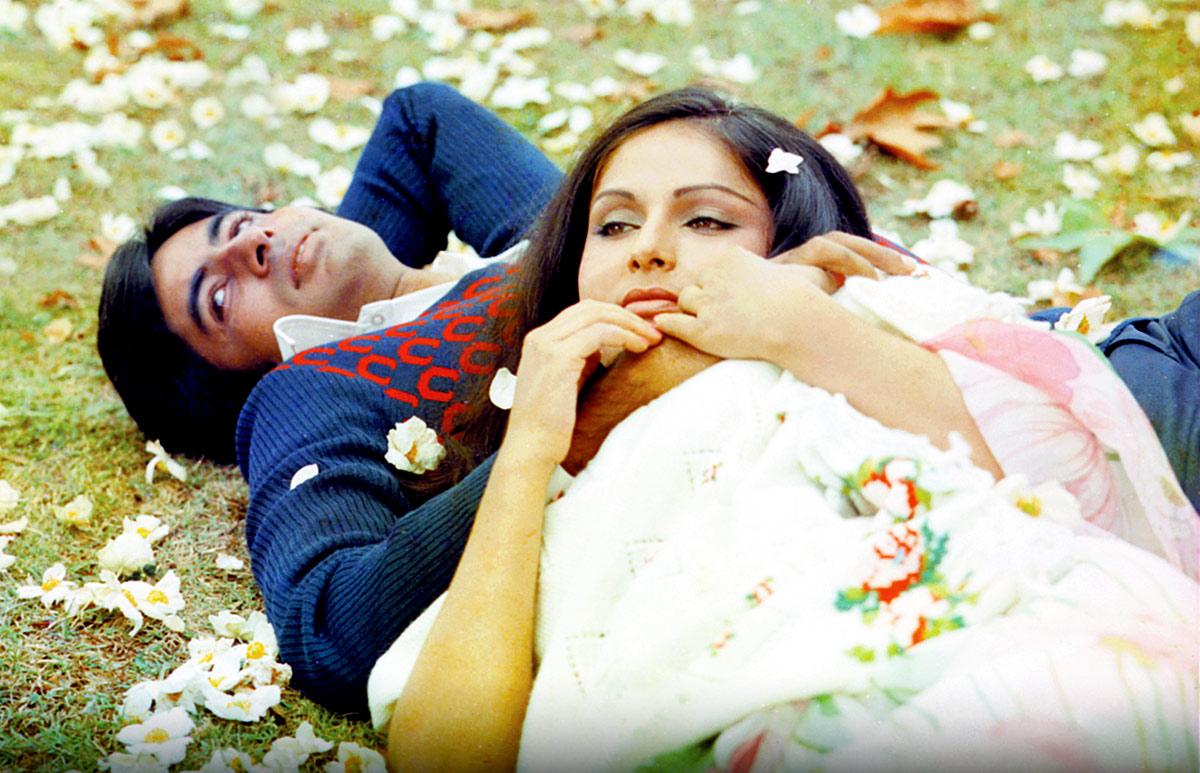
After your Kabhi Kabhie (1976) songs became the rage, you teamed up for five films with Yash Chopra. Did he give you a free creative rein?
My association with Yash Chopra from the mid 1970s till the early 1980s with Kabhi Kabhie, Trishul, Noorie, Nakhuda, Sawaal proved especially fruitful.
Thankfully, the Mumbai film industry has always afforded me the luxury of working on my own terms.
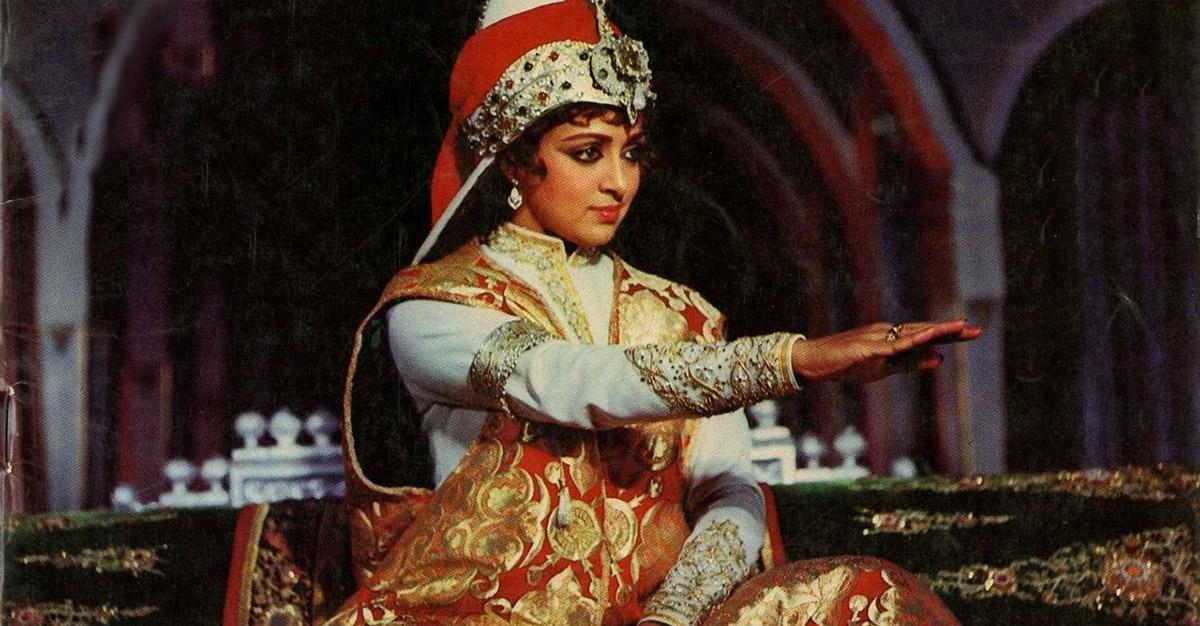
The ghazals you composed for for Umrao Jaan (1981) made the genre trend. Tell us about your creative process.
All my compositions have been creations. I think of myself as a music composer rather than a music director because a composer composes keeping the entire subject and theme in mind.
I go deep into the subject before composing for any film.
I read the subject in great detail and try to understand what the characters are thinking. Only when you have internalised the entire subject can great compositions be born.
After Umrao Jaan and Razia Sultan, people associate me with historical subjects and my new film too is set some 90 years ago.
I work hard to ensure that the music reflects the period but is also accessible to the common man.
You are that rare composer who has accorded gems to both Lata Mangeshkar as well as Asha Bhosle.
There's no praise high enough for their talents.
I am also happy that I got the opportunity to meet and collaborate with thought-provoking poets like Majrooh Sultanpuri, Sahir Ludhianvi and Kaifi Azmi and progressive writers like K A Abbas and Ismat Chugtai.
Throughout the day, there's music playing in my head.