
Real-estate firms have welcomed the Goods and Services Tax Council’s reforms, expecting better affordability for buyers, spurring demand.
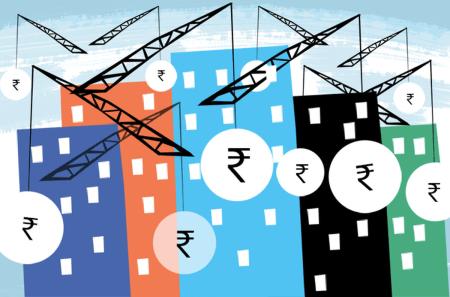
The council has reduced the rate on cement from 28 per cent to 18 per cent, while the rate on sand lime bricks or stone inlay work and granite blocks has been cut to 5 per cent from 12 per cent.
The move comes when housing sales are turning moderate in top cities.
According to PropEquity, sales in top nine cities in April-June fell below 100,000 for the first time since September-December 2021.
Home prices may fall 1-1.5 per cent, depending on project type and cement cost savings, said Samantak Das, chief economist, JLL.
Kamal Khetan, chairperson and managing director, Sunteck Realty, said: “This enables developers to maintain price stability and pass on the benefits to homebuyers.”
Cement constitutes 4-5 per cent of the construction cost, while the overall construction materials account for 25-30 per cent.
This may cut input costs for developers by about 10 per cent, according to Akash Pharande, managing director, Pharande Spaces.
Industry experts say the affordable and mid-income segments are likely to benefit the most.
“Affordable housing stands to gain because reduced construction costs can be passed on to homebuyers,” said Niranjan Hiranandani, founder and chairperson of the Hiranandani group.
While Pradeep Aggarwal, founder and chairperson, Signature Global (India), said the reforms were crucial, considering the upcoming festival season, Mahendra Nagaraj, vice-president, M5 Mahendra Group, stated the reforms directly translated into improved operating margins and enhanced flexibility in managing projects.
Lincoln Rodrigues, chairperson and founder, Bennet & Bernard, Goa, said since housing demand was linked to consumer confidence and long-term planning, higher household savings on essentials could create a favourable environment for investment.
Meanwhile, Vikas Bhasin, managing director, Saya group, said the impact of this move on end prices would be limited because construction materials accounted for only 25-30 per cent of the cost of a project, and cement being just one of the many inputs.
Further, Rajul Bohra, partner, JSA, noted clarity was needed on input tax credit (ITC) for rental buildings.
Anuj Puri, chairperson, Anarock, added: “Commercial real estate attracts 12 per cent GST with ITC.
"But the removal of ITC on leasing means developers can’t offset project costs, raising expenses and rents.
"A retrospective amendment may worsen the impact.
"Further, under the reverse charge mechanism, tenants of unregistered landlords must pay 18 per cent GST on rentals, adding compliance burden.”
