
'What we are seeing today is India stepping into its digital confidence, not as a follower but a leader.'
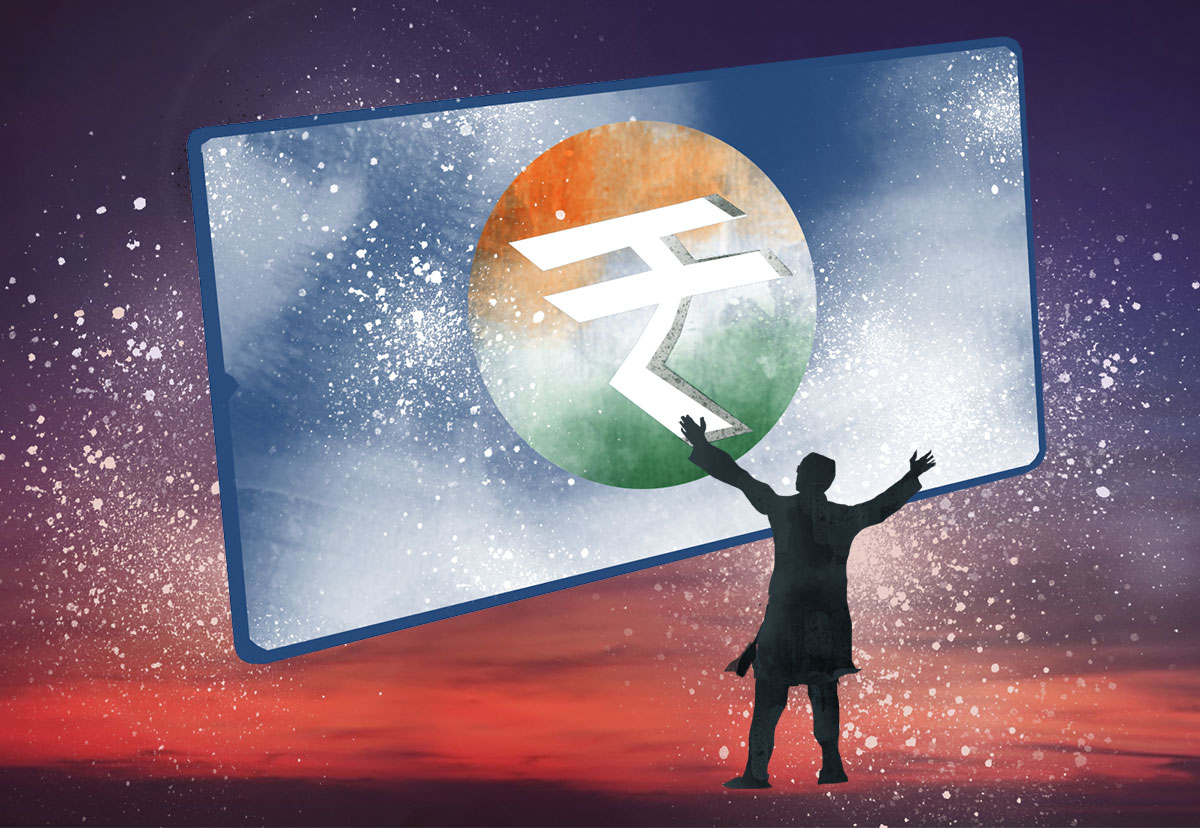
Calling Indian enterprises' drive to adopt India-built cloud and communication solutions a 'generational shift' and a 'defining momentum', Rediff Chairman and Managing Director Vishal Mehta said, The digital economy is now the real economy. What is happening today isn't just about companies choosing Indian-made software, it's about the country reasserting control over its digital destiny.'
In an interview published in Thursday's Economic Times newspaper, Mehta said, 'Indian enterprises should not just participate in this transformation; they should lead it.'
Specifically for Rediff, Mehta said, 'This isn't a new direction; it's the culmination of a belief we've held for over two decades: that India must own its infrastructure.'
Indian tech companies, Mehta said, 'must think like custodians of trust -- shaping frameworks for security, privacy and resilience -- as data has become a core strategic asset today.'
'It's now linked to reputation and compliance as well, and today the call on where it resides is made collectively. The CEO, CTO, CFO and CMO are equally invested in where data lives and how it's protected.'
It was not always like this. 'Earlier,' Mehta said, 'the focus was largely on features and pricing. Now conversations begin with "where is my data stored?" or "what happens if there's a breach?"
"Enterprises are more discerning, more aware of their responsibilities under new data protection laws," Mehta said, adding, "This awareness is healthy, it pushes service providers like us to continuously raise our standards."
And it's not restricted to large organisations alone. "The awareness is more widespread than ever before. MSMEs and government departments are realising that data sovereignty isn't just a concern for large enterprises. In fact, smaller organisations can be more vulnerable to vendor lock-ins and data access uncertainties."
Digital sovereignty, Mehta said, was not about isolation. "We are talking about strength, about an ecosystem that can engage globally while retaining control locally.
"Our goal is to ensure that any Indian enterprise, whether a startup or a large conglomerate, has access to world-class capabilities that are Indian in design, governance and trust.'
That's because, Mehta said, "For any nation to lead in technology, it must first secure its core layers, viz, identity, communication and data. When the basics are secure, everything else can grow with confidence. Even the best tools fail if users don't feel confident using them."
On global platforms vis-à-vis sovereign ones, Mehta said, "When your communication backbone depends on a global policy decision made thousands of miles away, you are exposed to unpredictability."
"Sovereign platforms offer stability -- pricing transparency, regulatory consistency, and long-term continuity. And enterprises are realising that predictability itself is a strategic advantage. The ability to plan without surprises is invaluable."
"Sovereignty and innovation can, and must, coexist. You don't have to choose between local and world-class. The two can be synonymous when we build with purpose."
"One of the key advantages of a home-grown platform is the ability to provide local, real-time, culturally aware support," Mehta said.
"When an organisation knows that their concerns are addressed by people who understand local realities, trust deepens."
"Trust isn't built overnight. It is earned through consistency and accountability. Our strategy has always been to demonstrate reliability at scale, to show that Indian-built platforms can match global benchmarks for uptime, performance and user experience."
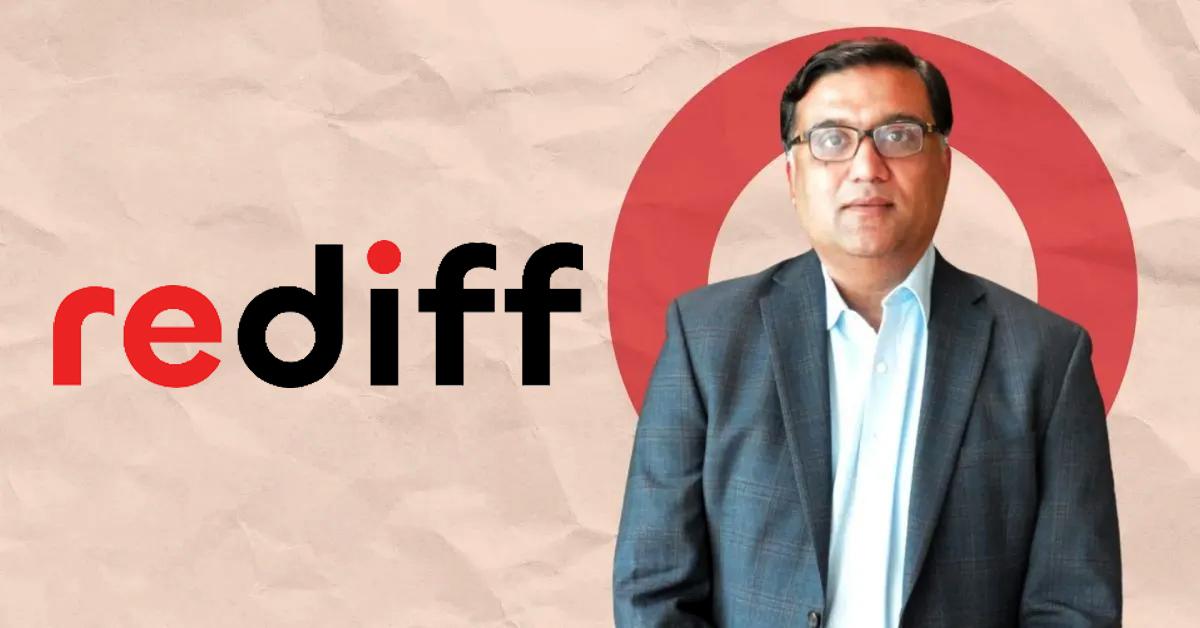
And at Rediff, Mehta said, "We see our role as that of an enabler of digital confidence. When enterprises know their communication layer is sovereign, compliant and future-ready, they can innovate without fear. That's how we strengthen not just organisations, but the nation's digital foundation."
In that sense, Mehta said, "Rediffmail Enterprise isn't just an email or collaboration suite. It part of a much larger architecture, one designed to keep India's data safe, its businesses agile, and its digital ecosystem self-sustaining."
With the growing footprint of Artificial intelligence, this becomes even more crucial. "AI is changing how people work, and our goal is to make that transformation safe and meaningful."
"What we are seeing today is India stepping into its digital confidence, not as a follower but a leader. And enterprise communication is the nervous system of that journey. When that system is strong and self-governed, everything built on top of it becomes stronger, faster and more resilient."
"At Rediff we are not merely offering a product. We are contributing to a vision -- of an India that commands its digital future, protects its data, and builds for the long haul."
"We were among the first to give Indians an online identity with Rediffmail, and today we are helping them reclaim ownership of their digital identity. The mission hasn't changed, only the scale and the stakes have."
"The switch has begun, and it's irreversible."