
High-street rentals continue to outpace those of malls, as retailers focus on prime locations and are willing to pay a premium for visibility.
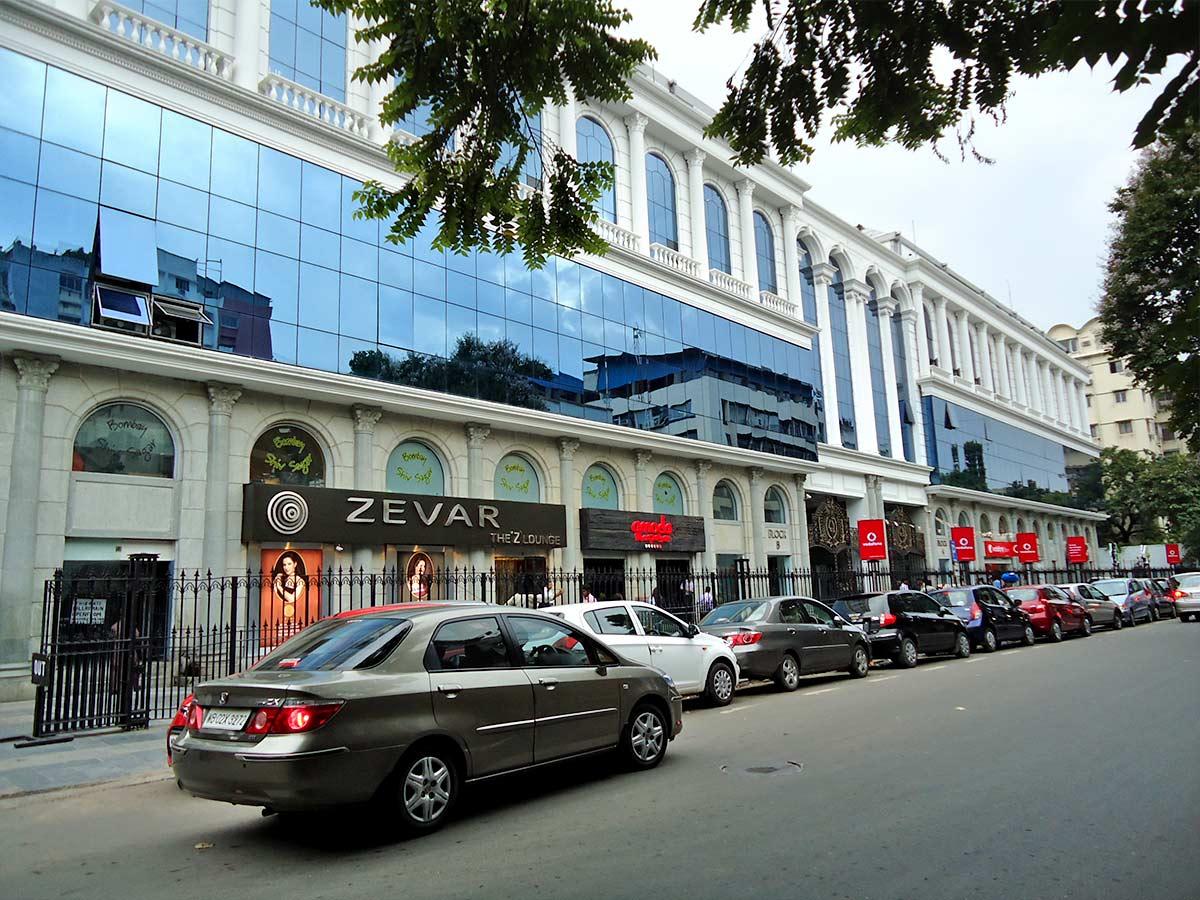
Between 2021 and 2025, rental values on prime high street have grown 7-15 per cent annually, driven by strong consumption density and limited new supply, even outpacing grade A malls, which grew by 5-8 per cent, according to Anarock.
Luxury brands alone have accounted for over 40 per cent of high-street leasing as they are willing to pay a premium for visibility, it stated.
Bhavik Bhandari, chief business officer at Ashwin Sheth Group, noted that overall mall rentals have stayed largely flat.
“Retailers are prioritising visibility and brand recall, which high street naturally offer.
"Over the next 12–24 months, high-street rents should continue to rise steadily, while mall rents will see only modest gains,” he added.
Secondary malls stagnation
While premium, well-located malls maintain healthy occupancy and rental growth, secondary and unorganised assets are witnessing stagnation as retailers focus on prime locations.
In most major cities, rents have remained steady since 2024.
"According to Anarock, Mumbai’s high-end malls are around Rs 800–Rs 1,000 per sq. ft. per month, Delhi’s Khan Market is at Rs Rs 900–Rs 1,500, Bengaluru at Rs 500–Rs 600, Hyderabad at Rs 250–Rs 400, Chennai at Rs 400–Rs 500, and Pune at Rs 450–Rs 575 — nearly unchanged since the previous quarter.
After a steep post-pandemic recovery, when mall rents surged by nearly 30 per cent in FY23, growth has now moderated to single digits.
According to Anuj Kejriwal, chief executive officer (CEO), retail leasing and industrial & logistics at Anarock, “Mall rentals today are rising by only 6–10 per cent annually, depending on the mall’s quality and location. Landlords in weaker malls have little justification to raise rents much.”
Experts say the moderation, however, is largely confined to grade B and C malls, where vacancies remain elevated.
Grade A malls enjoy occupancy levels of 93–97 per cent, while secondary centres have 30-35 per cent vacancies.
Grade A mall rentals have grown 5-8 per cent between 2021 and 2025, while grade B and grade C malls have witnessed a stagnant or declining trend in rentals.
Sahil Verma, chief operating officer, Shray Projects, believes that the overall macro environment (discretionary spend, rural/urban wage growth) is not yet even as demand is recovering.
“Both tenants and landlords are behaving conservatively — therefore, they are not willing to indulge in aggressive rental escalation until a period where sales growth is felt to be stabilised,” he added.
Pratik Dantara, chief investor relations officer and head of strategy at Nexus Select Malls, said, “Our re-leasing spread has averaged 20 per cent over the last five years and has never declined.
"There’s always a long waitlist of marquee tenants for grade A spaces.”
High streets lack infrastructure
Dantara pointed out that while high streets like Khan Market or Linking Road command higher rents, they lack the infrastructure and experiential edge of malls.
“High streets often have no parking and limited family experience.
"Malls offer a complete ecosystem — shopping, dining, and entertainment — which continues to draw footfalls.”
Ankita Sood, national director — research at Knight Frank India, believes that the lack of quality spaces is what’s driving high-street rents higher.
Muhammad Ali, CEO, retail, Prestige Group, echoed the sentiment.
“For the malls we own and operate, we are seeing double-digit growth every year. Mall rentals can touch Rs 1,500 per square foot per month.
"Unlike high street, mall rentals are directly linked to store performance,” he added.
According to Pushpa Bector, senior executive director and business head, retail at DLF, the rental stagnation narrative applies mainly to unorganised or poorly located malls.
“Malls in prime catchment areas with high occupancies have seen rents increase 12–15 per cent,” she said.
The limited supply of large, grade A malls and strong brand demand have kept the organised retail market robust.
Bector sees the next phase of growth being led by “experience-driven” spaces.
“Malls are transforming into community hubs, blending retail with entertainment, F&B, and wellness.
"This curated approach keeps them relevant and ensures sustained rental growth,” she said.
Experts expect high streets to continue commanding premium rents due to limited supply and strong retailer demand — especially from luxury and international brands seeking high visibility.
Capital inflows into prime high-street locations are expected to stay strong, driving rent escalation in the range of 10–20 per cent.
Meanwhile, grade A malls are projected to record 8–15 per cent rental growth, supported by rising occupancies, strong footfalls, and an evolving mix of experiential retail, dining, and entertainment offerings.