
Excitement, happiness or even stress during the festive season can make people eat for comfort or enjoyment rather than hunger, warns Dr Rajeshwari Panda, head of the dietetics department at Medicover Hospital, Navi Mumbai.
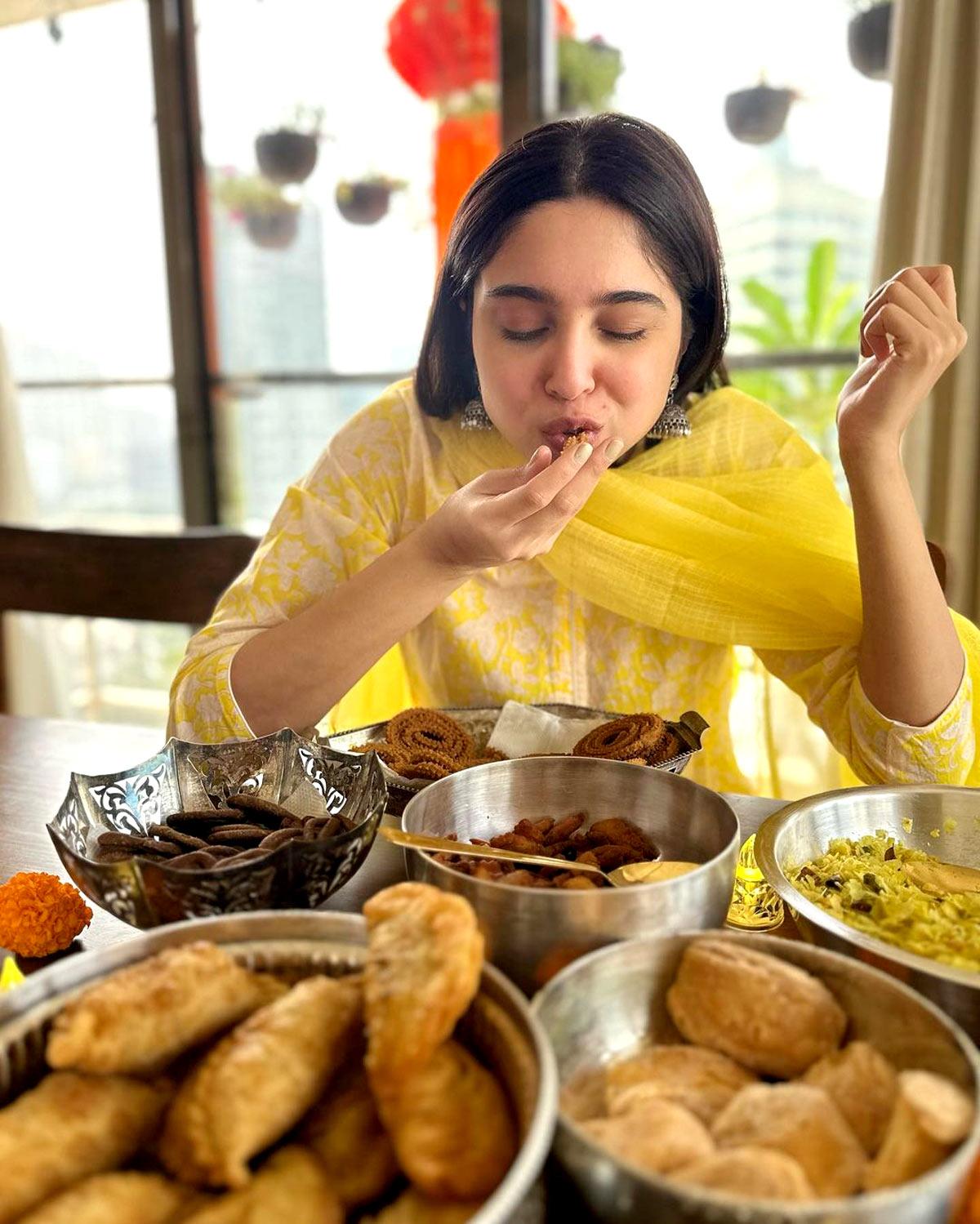
Festivals are joyous times, a time when we break our self-imposed restrictions and indulge.
And, during most festivals, like Diwali, we are surrounding by such tempting sweets and snacks that no one can blame us if we can't seem to stop eating.
From ghee-laden besan ladoos to crunchy chaklis and sweet karanjis or gujiyas, it's hard to resist these mouthwatering festive treats.
But how much is too much? And how do you say no when everything looks so tempting?
More importantly, what about the after-effects?
This festive season -- in fact, every festive season -- promise yourself you will not overeat.
Follow these simple, foolproof strategies to keep your calories and health under check.
The dangers of overeating
Overeating can put you at risk of weight gain, bloating, acidity, fatigue and even obesity or diabetes, which can take a toll on your overall well-being.
Uncontrolled eating doesn’t just affect your physical health but can also impact your mood, energy and digestion.
Why people binge eat during festivals
1. Availability of a variety of festive food
Diwali is synonymous with sweets, snacks and namkeens.
People visit each other and share snacks and sweets which can be tempting. Before you realise, you have already piled on those extra kilos.
2. Attending social gatherings and parties
Festival time means meeting friends and family. As you socialise, you don't realise how and when you go overboard with your eating.
3. Lost in the festive spirit
Those who are on a diet, and even those who aren’t, feel that Diwali is the time when they can indulge guilt-free.
Some of them who have been fasting and those who have been on a strict weight loss diet end up losing track of their appetite, ultimately leading to overeating, bloating and weight gain.
4. Emotional eating
Excitement, happiness or even stress during the festive season can make people eat for comfort or enjoyment rather than hunger.
5. Continuous celebrations and longer eating hours
Celebrations often last late into the night, with continuous snacking and multiple meals.
People dance, drink and eat through the evening, which can easily lead to overeating.
Tips to avoid overeating
1. Monitor what you eat
Even if you are not on a diet, you must monitor your calorie intake during Diwali. Understand that it is not okay to go overboard. Binge or emotional eating is a strict no-no.
If you do not have self-control, maintain a food diary.
Adhere to healthy eating practices and replace unhealthy snacks such as namkeens and sweets with nuts and dates in quantities recommended by your doctor/nutritionist.
When you consume a balanced diet, you feel relaxed, energetic, active and free from inflammation or abdominal distress. Plus, you will be able to maintain an optimum weight.
Make sure to use a food journal and track your eating patterns. This will help you stay mindful while eating. Eat your food slowly and chew it thoroughly to prevent overeating.
2. Don't skip your meals
It is necessary to eat all your meals instead of skipping them.
Skipping meals will also tempt you to overeat later. It's better to set meal times to avoid unhealthy snacking.
3. Hydrate well
The human body is made up of 60 per cent water.
Drinking water throughout the day can also help control cravings and keep you satiated.
4. Replace carbs with fibre
Opt for fibre-rich foods such as fruits, vegetables, whole grains and pulses.
They will not only keep you full for a longer duration, they will also support digestion and help manage cravings for sweets or deep-fried foods.
5. Eat a salad before you party
Eat a lot of salad before going to a party so you don’t overeat.
Portion control is important. Use smaller plates and bowls and reduce serving sizes.
6. De-stress
Stress can also cause overeating, so de-stress with meditation, yoga or deep breathing.
Sleep well and don't lie down immediately after eating.
7. Walk after a heavy meal
It is necessary to walk for at least 20 minutes after heavy meals. Ensure your next meal includes fruits, soups or vegetables.
You can also seek expert advice about the right quantity of food for your body type to stay in shape.
Stay vigilant with your diet and you'll surely be able to enjoy Diwali without the fear of weight gain.

Disclaimer: All content and media herein is written and published online for informational purposes only. It is not a substitute for professional medical advice. It should not be relied on as your only source for advice.
Please always seek the guidance of your doctor or a qualified health professional with any questions you may have regarding your health or a medical condition. Do not ever disregard the advice of a medical professional, or delay in seeking it because of something you have read herein.
If you believe you may have a medical or mental health emergency, please call your doctor, go to the nearest hospital, or call emergency services or emergency helplines immediately. If you choose to rely on any information provided herein, you do so solely at your own risk.
Opinions expressed herein cannot necessarily provide advice to fit the exact specifics of the issues of the person requesting advice.







 © 2025