
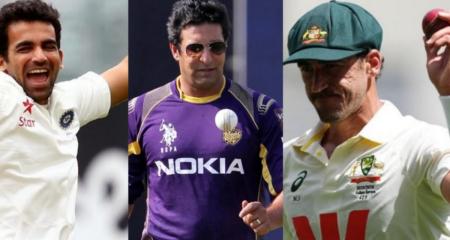
Left-arm bowlers have long added a unique dimension to Test cricket, blending pace, swing, spin, and subtle variations that unsettle batters in ways few others can.
Over the decades, a select few have not only mastered their craft but also redefined what it means to dominate from the left side of the crease.
From the steely in-swinging yorkers of Mitchell Starc to the craft and guile of Rangana Herath, these bowlers have turned matches with their brilliance, leaving an indelible mark on the game.
Starc recently surpassed Pakistan legend Wasim Akram to become the highest wicket-taking left-arm pacer in history, illustrating the ongoing evolution of the role.
Here's a look at left-arm spinners, all-rounders, and pacers who mastered their craft and left a mark in Test cricket.
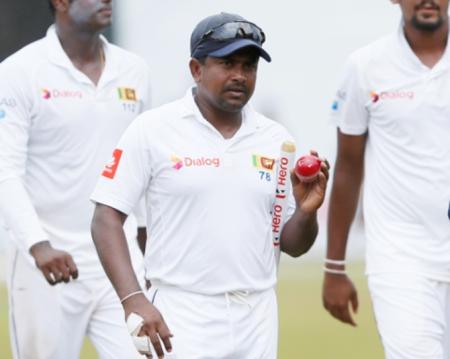
Rangana Herath is the most prolific left-arm bowler in Test cricket history, amassing 433 wickets and setting a global benchmark for spinners.
The Sri Lankan maestro became the first left-arm spinner to reach 400 Test wickets, stepping seamlessly into the void left by Muttiah Muralitharan. He emerged as Sri Lanka's leading strike bowler, excelling across conditions with his skill, accuracy, and mastery of subtle variations.
His brilliance is reflected in 34 five-wicket hauls and nine 10-wicket match hauls, showcasing his ability to deliver decisive, match-turning performances under pressure.
Herath's legacy extends beyond numbers as he redefined what a left-arm spinner could achieve in Test cricket and set a benchmark for generations to follow.

Mitchell Starc has become the highest wicket-taking left-arm pacer in Test cricket, surpassing Wasim Akram's tally of 414 wickets during the ongoing Ashes series and he did it in two fewer matches.
Since his debut in 2011, Starc has claimed 418 wickets in 102 Tests at an impressive average of 26.43 and a strike rate of 46.3, underlining his consistent ability to take key wickets.
Renowned for his pace, swing, and steep bounce, Starc's in-swinging yorkers and sharp bounce have troubled batters worldwide. Even with injury interruptions, he remains Australia's go-to strike bowler, regularly delivering match-turning spells under pressure.
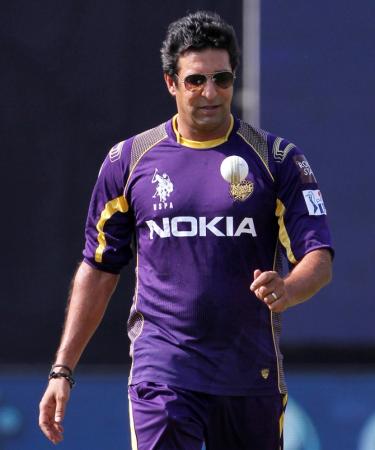
Few left-arm seamers have shaped the art of fast bowling quite like Wasim Akram -- long hailed as the gold standard for left-arm quicks.
His mastery of reverse swing, ability to move the ball both ways at high pace, and adaptability across conditions made him a force unmatched for generations.
Whether threading yorkers on slow subcontinental tracks or exploiting English conditions, Akram remained a relentless, cerebral threat.
For decades, Akram's 414 wickets set the left-arm pace standard-- now eclipsed by Starc's 418, raising the bar for modern fast bowling.

Daniel Vettori, who debuted as New Zealand's youngest Test cricketer, evolved into one of the most reliable all-rounders of his era. By 21, he had already claimed 100 Test wickets -- a testament to his maturity and skill at a young age.
Over a 17-year career (1997 to 2014), Vettori collected 362 wickets in 113 Tests, finishing with an average of 34.36 and a strike rate of 79.5.
A crafty left-arm spinner, Vettori relied on subtle variations and impeccable control rather than big turn, often thriving on New Zealand surfaces that offered little help to spinners.
He became the first left-arm spinner to take over 300 wickets in both Tests and ODIs, underscoring his longevity and adaptability.
Quietly brilliant and universally respected, Vettori's record stands as one of the finest for a left-arm spinner in modern cricket.
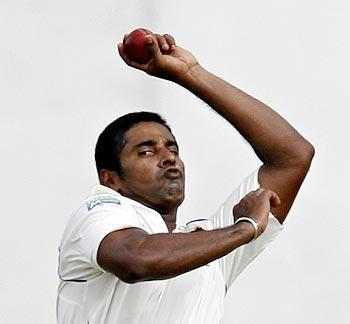
Chaminda Vaas remains Sri Lanka's greatest fast bowler -- left-arm or otherwise -- finishing his career with 355 wickets in 111 Tests at an impressive average of 29.58.
Known for his smooth, repeatable action, Vaas mastered both seam and swing, especially with the new ball, making late movement his most potent weapon.
Without the sheer pace of some contemporaries, he relied on unwavering control and skilful manipulation of conditions.
In a team dominated by spin-friendly pitches, Vaas carried Sri Lanka's pace attack for over a decade, producing match-defining spells at home and overseas. His ability to take wickets across conditions -- reflected in his strike rate of 66.0 -- underscored his durability and world-class adaptability.

Ravindra Jadeja has evolved into one of the finest left-arm spinners of the modern era, compiling 348 wickets in 89 Tests at an outstanding average of 25.11 and a strike rate of 58.1.
His precision, built on relentless accuracy, sharp turn, and subtle variations, makes scoring against him exceptionally difficult.
Jadeja's Test record already features 15 five-wicket hauls and three 10-wicket match hauls, underlining his ability to dominate across spells and entire matches.
His rise has been anchored by sustained excellence on subcontinental pitches, where he exploits natural variation and bounce, but he has grown increasingly effective overseas as well.
Beyond his bowling, Jadeja's superb fielding and crucial lower-order runs make him an indispensable all-rounder for India.
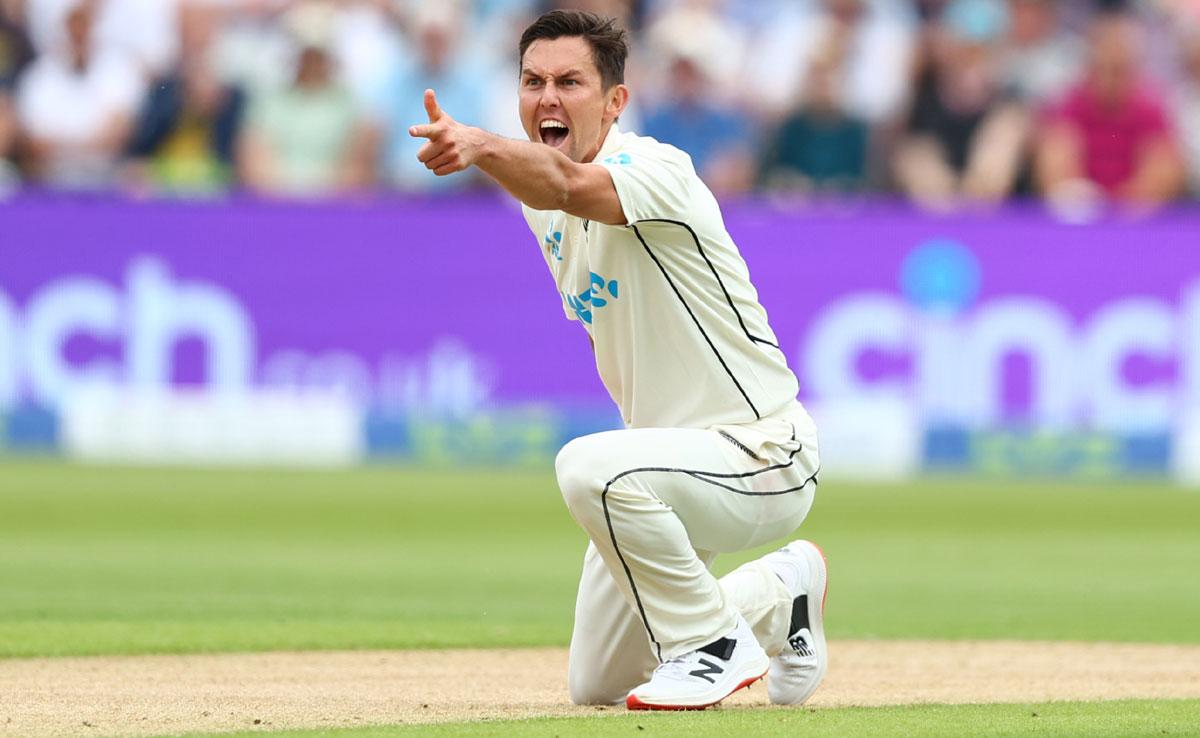
Trent Boult redefined left-arm swing bowling for New Zealand. Over 78 Tests from 2011 to 2022, he claimed 317 wickets at 27.49, striking every 54.9 deliveries -- numbers that underline his status as one of the most efficient new-ball bowlers of the modern era.
With his smooth action and trademark late swing away from right-handers, Boult was a constant new-ball threat. His partnership with Tim Southee became the backbone of New Zealand's attack, driving their rise from underdogs to World Test Championship winners.
Whether dismantling top orders early or removing set batters later, Boult's ability to influence matches across conditions cements his status as one of the finest left-arm pacers of his era.
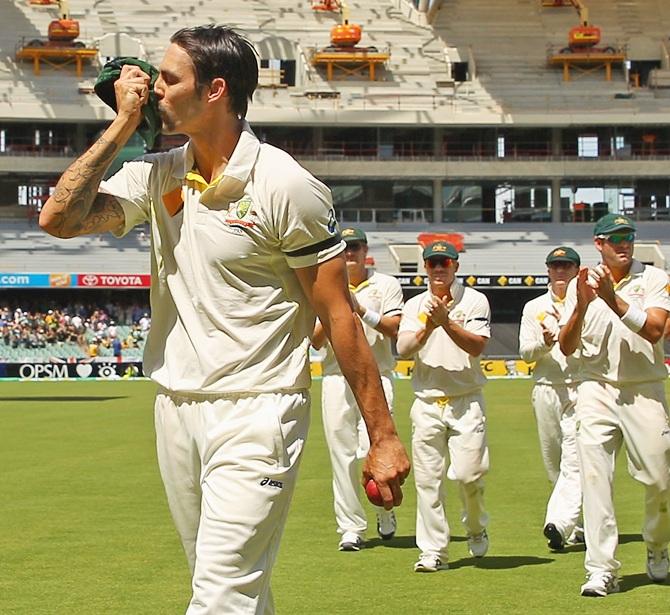
Mitchell Johnson, at his peak, was more a force of nature than a fast bowler, instilling fear like few others.
In 73 Tests from 2007 to 2015, he claimed 313 wickets at 28.40, striking every 51.1 balls -- figures that barely convey the menace he unleashed on the pitch.
His 2013-2014 Ashes series remains one of the most devastating fast-bowling displays in history: Blistering pace, steep bounce, and unrelenting hostility.
Johnson's ability to swing the ball at close to 150 km/h, combined with his slingy, unpredictable release, routinely unsettled even the best batters.
Though his career had its ebbs and flows, Johnson's late-career resurgence reaffirmed his status as one of Australia’s most destructive and feared fast bowlers.
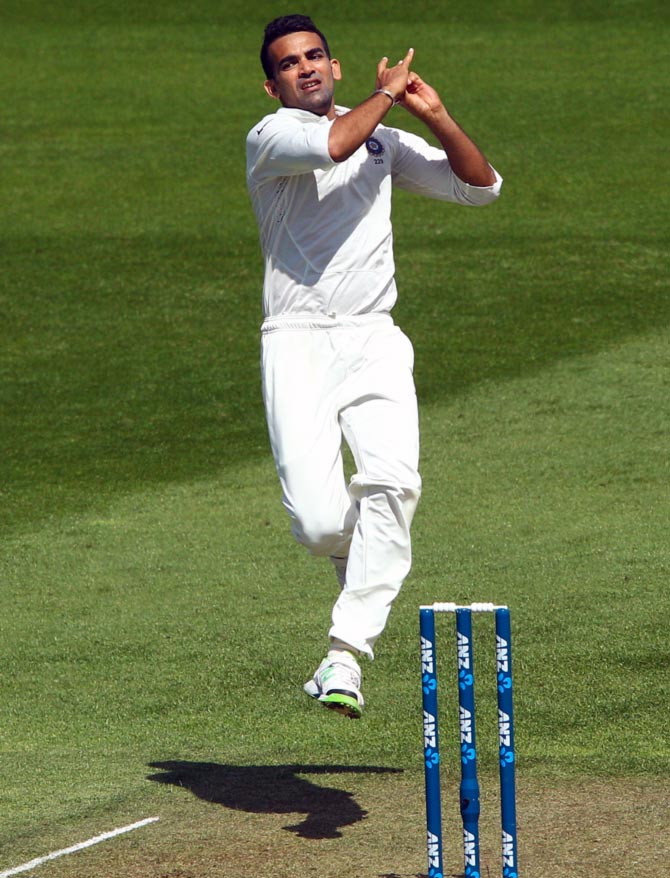
India's left-arm pace spearhead, Zaheer Khan, dominated Test cricket with 311 wickets in 92 matches from 2000 to 2014, boasting an average of 32.94 and a strike rate of 60.4.
Zaheer's mastery of seam and swing transformed India's traditionally spin-heavy attack, especially on overseas tours.
His skill in angling the ball across right-handers and late movement consistently challenged batters. Despite injury setbacks, his tactical intelligence, precision, and impact played a key role in India's rise in the Test rankings, cementing his legacy as the country's premier left-arm fast bowler.
Derek Underwood was one of England's most formidable Test bowlers, taking 297 wickets in 86 matches between 1966 and 1982 at an impressive average of 25.83 and a strike rate of 73.6.
Known for his impeccable accuracy and relentlessly flat trajectory, Underwood thrived in England's damp conditions, where his deliveries skidded sharply off the pitch.
His mastery on sticky wickets, combined with unwavering consistency over 16 years, made him a pillar of England's Test attack.