
Temba Bavuma arrived in India with a mission. A quiet, focused ambition to lead South Africa through their toughest assignment in world cricket, winning a Test in India.
For 15 years, no South African captain had managed it. The conditions were unforgiving, the crowds unrelenting, the scrutiny intense. But Bavuma, often underestimated for reasons that have nothing to do with his cricket, walked into Eden Gardens carrying calm authority.
And he walked out with history.
On Day 1, a moment during South Africa's innings created a controversy the series did not need. Jasprit Bumrah's stump-mic comments referring to Bavuma as bauna, a term typically associated with dwarfism and one that many found hurtful when directed at someone purely for being short, sparked debate across social media. Rishabh Pant was part of the conversation too.
While Ashwell Prince, South Africa's batting coach, downplayed the issue, insisting they would 'have no discussion' about it, millions across the cricket world had already heard it, replayed it, and reacted to it.
But Bavuma? He didn't flinch. He didn't respond. He didn't demand an apology.
He did what leaders do: He chose to answer with cricket.
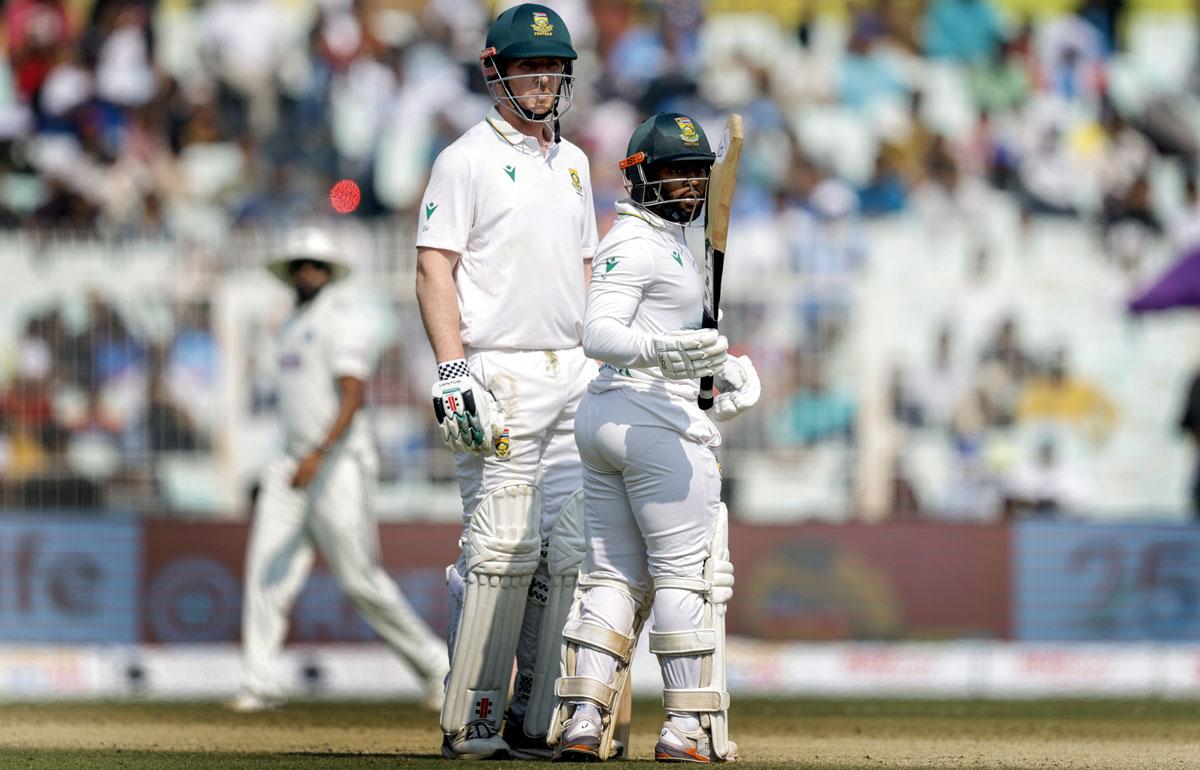
On one of India's most challenging surfaces in recent memory -- a dry, unpredictable turning track where every ball felt like an event, Bavuma played one of the defining innings of his career.
South Africa were wobbling, the pitch was exploding, and India sensed blood. But Bavuma dug in, leaving late, defending late, presenting a full face, trusting his technique, trusting his grit.
His unbeaten 55 from 136 balls was everything his career has always stood for: Patience, discipline and an unshakeable temperament. It was old-fashioned Test batting of the kind that wins matches, not headlines.
And when South Africa finally set India 124 to win, Bavuma's innings was the difference between a chaseable total and a psychological mountain.
But the Test wasn't done yet. India pushed back. Axar Patel counterattacked brutally, striking Keshav Maharaj for a four and two sixes, threatening to flip the game. For a brief period, Eden Gardens roared again. One more over like that, and the outcome may have been different.
Then came the moment that completed Bavuma's quiet, poetic reply to the bauna jibe.
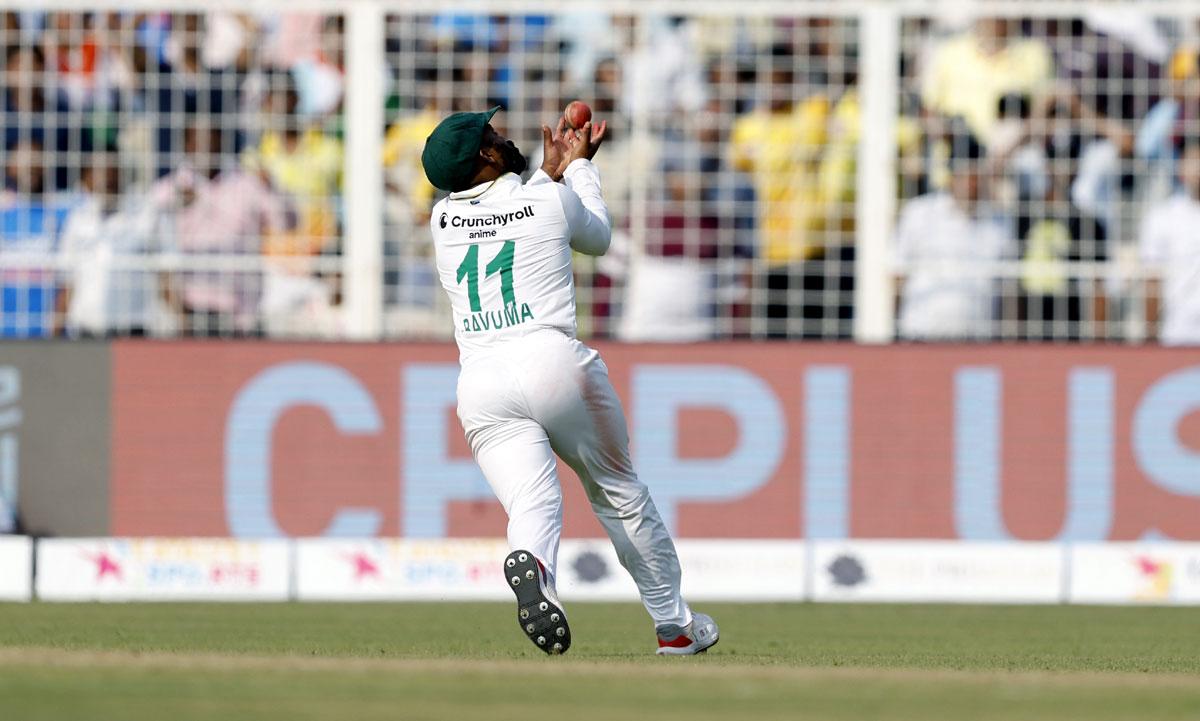
Axar miscued. The ball hung in the air. Bavuma sprinted in, stretched every inch of himself, and held on to a pressure catch that changed the match. A captain's catch. A fielder's catch. A leader's catch.
And then, with a smile that said everything and nothing, he delivered the line of the match, 'I was able to grab him with my small hands.'
A perfect response. Dignified, understated, devastatingly effective.
And Bavuma's leadership story doesn't stop at Eden. The numbers paint the picture more clearly than any soundbite can.
A first South African captain in 15 years to win a Test in India.
A leader with 10 wins in 11 Tests, the only non-win being a draw.
The first South African captain of the 21st century to win an ICC trophy.
He isn't leading a group of cricketers, he’s shaping a new phase of South African cricket defined by resilience, tactical clarity and emotional composure.
This win wasn't luck. It wasn't an upset. It was the result of Bavuma's temperament meeting a team finally aligned behind him.
Even Indian voices acknowledged it. Ravichandran Ashwin, replying to Aaron Finch on social media, said, 'Bavuma clearly showed that this pitch was manageable with his sound defensive technique.'

Coming from one of the greatest spin bowlers of the era, that is no small praise.
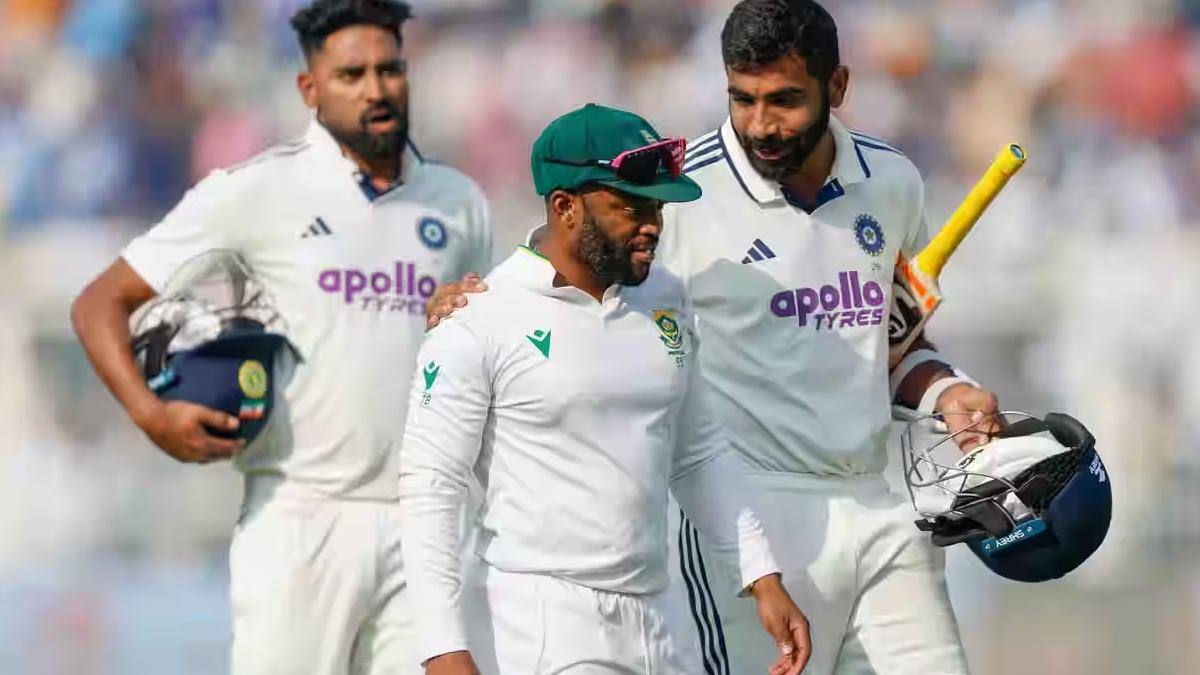
And when the match ended, something rare and refreshing happened. Jasprit Bumrah walked straight to Bavuma, arm on shoulder, smiling, talking, ending the conversation where it should have begun, with respect between two competitors. A controversy ended the right way.
Eden Gardens witnessed a thriller. South Africa outplayed India, silenced doubts, and took a 1-0 lead. But above all, Temba Bavuma walked off having written a chapter that only leaders can write.