
'When you start talking about the sport, it's not that you are targeting anyone specific.'
'Everyone has an opinion. You need to have an opinion -- that's why you're in the commentary box.'

Anjum Chopra, the former cricketer now a voice synonymous with commentary, shares glimpses into her life behind the microphone.
Anjum, who played 12 Tests, 127 ODIs, and 18 T20Is for India, speaks frankly about navigating the demanding IPL schedule, emphasising the need to manage both the physical and mental stamina required to remain sharp and connected to the unfolding action.
"Everyone does their job honestly and obviously gives respect and seeks respect because at the end of the day, everyone has played the game as well," the former Indian women's captain tells Rediff's Laxmi Negi.
You've shared the commentary box with quite a few voices over the years -- who have been the most insightful or fun co-commentators to work with, and why?
Each and every person brings something new to the table, so it's been a pleasure to work with each and every commentator in the tournament or anywhere else that I have worked.
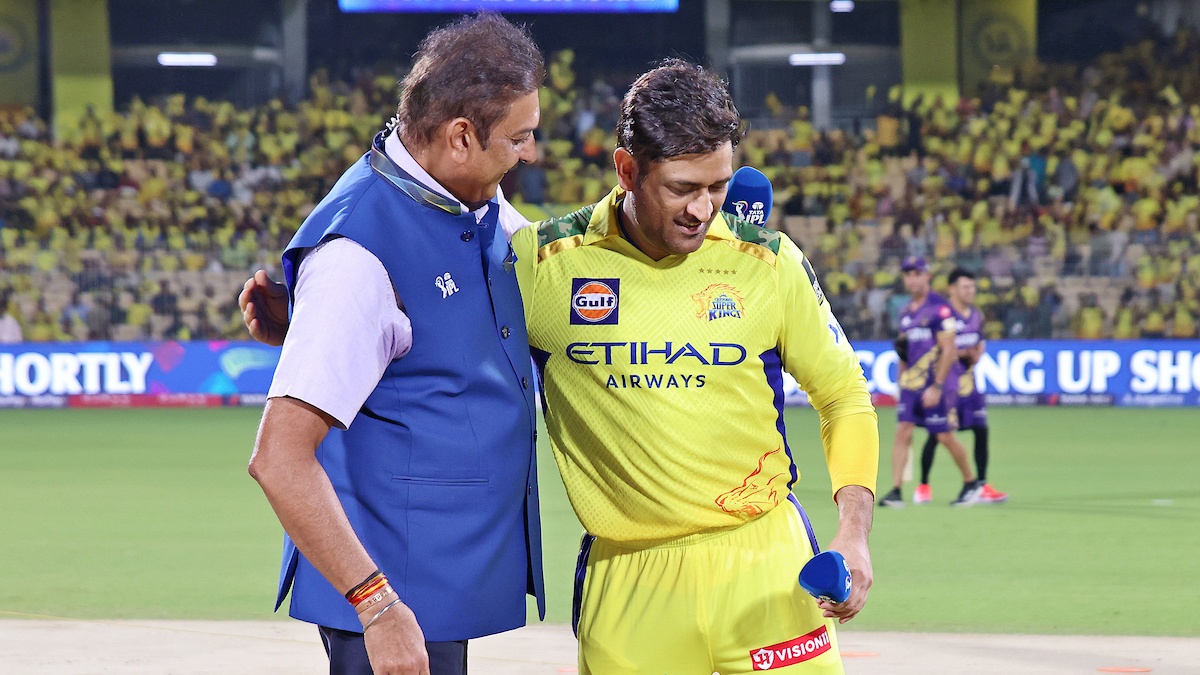
The IPL is relentless -- back-to-back matches, travel, studio sessions. As a commentator, how exhausting is the schedule? Does it take a toll similar to what players feel during the tournament?
It's a long tournament, so everyone does get their short breaks in the middle. It can get a little tiring... travel obviously takes a toll, so yes, that's a challenge, but it's something that over the years we have gotten used to.
We try to manage the travel, the sleep, the recovery, and the preparations. It's fun because it's different, but it keeps you engaged and keeps you in the groove of the tournament.
Over the years, have there been IPL players you've grown particularly fond of -- not just for their skills, but maybe for their attitude, evolution, or how they carry themselves on and off the field?
No, not really. You meet the players through the domestic leagues as well, not just the IPL. So the answer is no (says no emphatically).
Having covered the IPL for so many seasons now, what has the tournament taught you about the game -- or even about yourself -- that you didn't expect when you started commentating?
Yeah, each season, possibly, I'm a better version of myself than the previous season.
As the sport keeps evolving, as a broadcaster you keep learning about yourself -- it keeps us on our toes. You become a more settled person. I can talk about myself -- whether it's travel, preparations, or going from one venue to another with different teams. It's about learning from the previous seasons and improving in each and every season you're involved in.
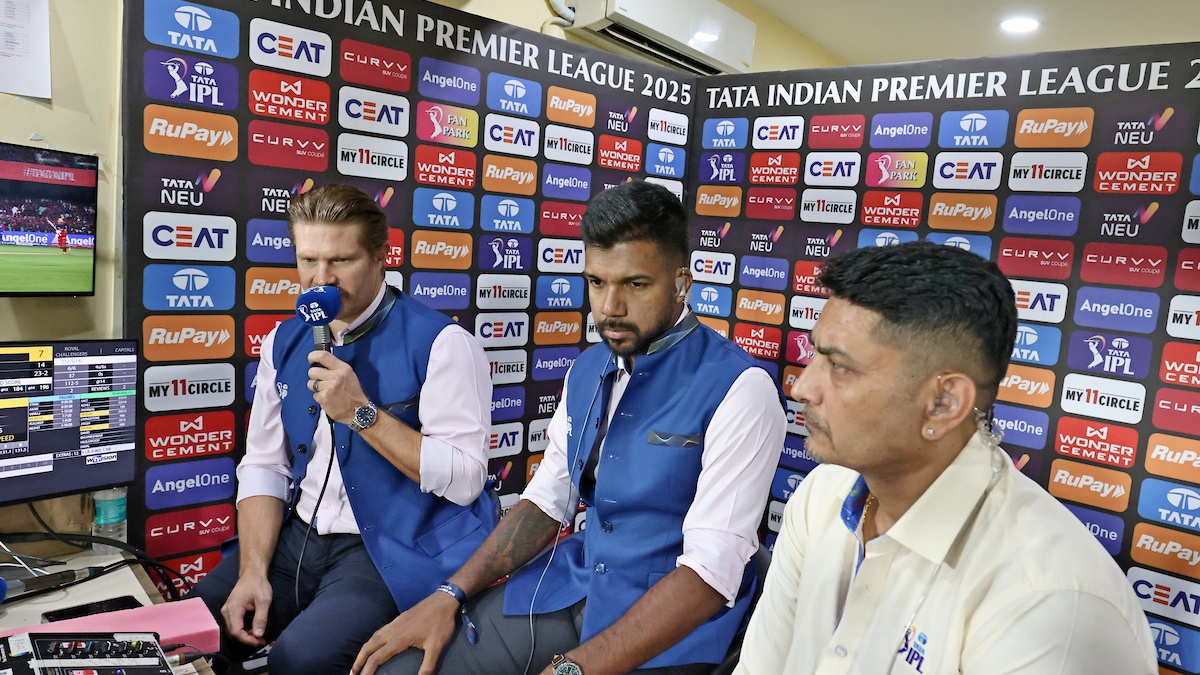
Any memorable behind-the-scenes anecdotes from the commentary box -- a moment of hilarity, a blunder, or just something unexpected that happened during a live game?
Small, small things keep happening. Sometimes the audience doesn't get to know, but behind the scenes, we are aware that this could have been better.
Sometimes the mic battery runs out, or sometimes the pictures are not running as planned. Small things keep changing here and there -- that's part and parcel of live coverage. There are no retakes to it. I wouldn't call those blunders.
Commentators walk a fine line between being honest and respectful. Are there any unofficial boundaries or topics you're told not to tread on during IPL coverage?
No, for IPL or something, it's not that we are told to tread off.
There are certain elements which, in a sports broadcast, you can speak about and some things you cannot speak about.
There is no diktat -- it's an understanding. It's a sports broadcast; it's not anything else where you can cover any topic. So there is nothing of that sort that you can or can't say, but there is an understanding.
The Irfan Pathan controversy stirred quite a debate on what commentators should or shouldn't say. What is your take on that episode? Do you feel ex-players are being boxed in at times?
Nobody is boxed; everyone does their job honestly and obviously gives respect and seeks respect because at the end of the day, everyone has played the game as well. We are obviously here because of the sport too.
It's not like anyone is boxed or unboxed. It is very open, and it's absolutely with the utmost respect that everyone does their job, whether on the park or in the studio.
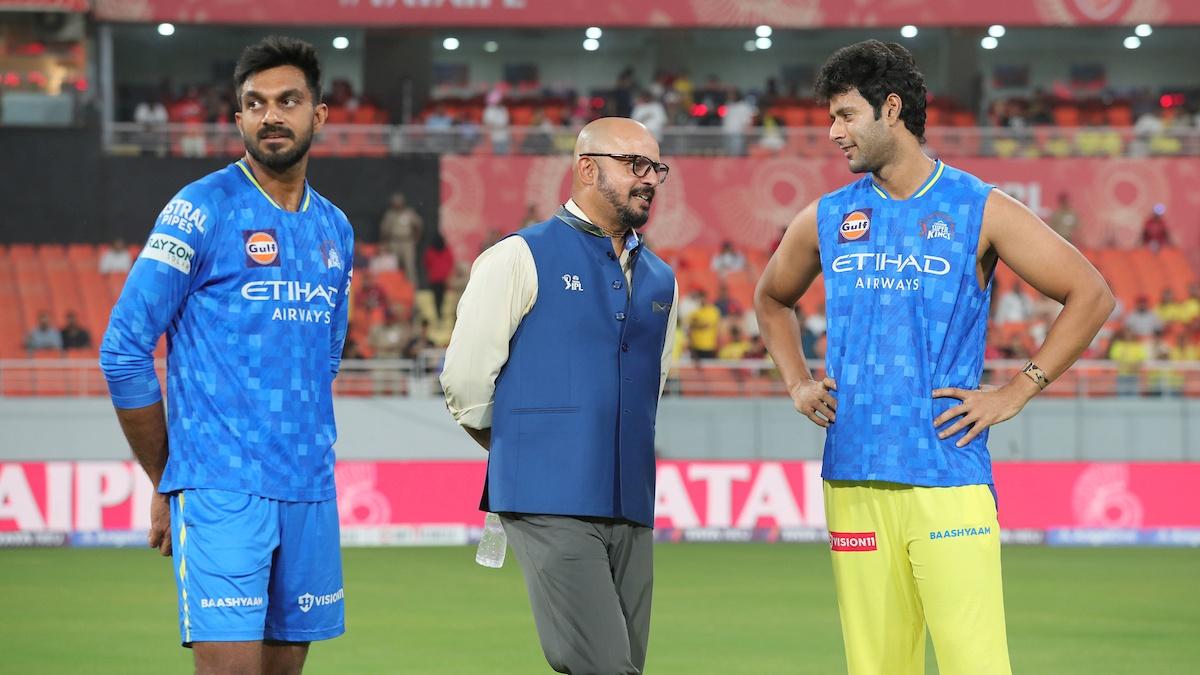
Do you think commentators today hold back a bit to avoid upsetting franchises or players, especially given the close-knit nature of the cricket world? Have you ever felt that pressure yourself?
Because it is a close-knit environment and a close-knit cricket structure, we are all well aware of what happens in the dressing room or what can happen on the park as well.
Everyone is a champion, and they all go out there to become champions; they all go out there to give their best shot at winning the title, whether it's individual players or franchises.
The game is a beautiful game, and we don't think we will be upsetting anyone when we start talking about the sport.
When you start talking about the sport, it's not that you are targeting anyone specific. Everyone has an opinion. You need to have an opinion -- that's why you're in the commentary box.
If you're talking just about the live action, then you're not really giving your opinion. You have to give your opinion.
At the end of the day, nobody is boxed or anything like that. It's about being there and doing complete justice with all honesty and sincerity to the job assigned to us.