
For too long has Pakistan gotten away with running with the terrorists and hunting with the forces.
This duplicity needs to end, asserts Saisuresh Sivaswamy.
India-Pakistan cricketing ties, if not the entire gamut of sporting ties, have always been hostage to the cross-LoC temperatures between the two nations.
Still, the ongoing tamasha called the Asia Cup, where the off-field hostilities between the two neighbours have been given full play on-field, is something we have not seen before, not even during the worst phases in their bilateral relations.
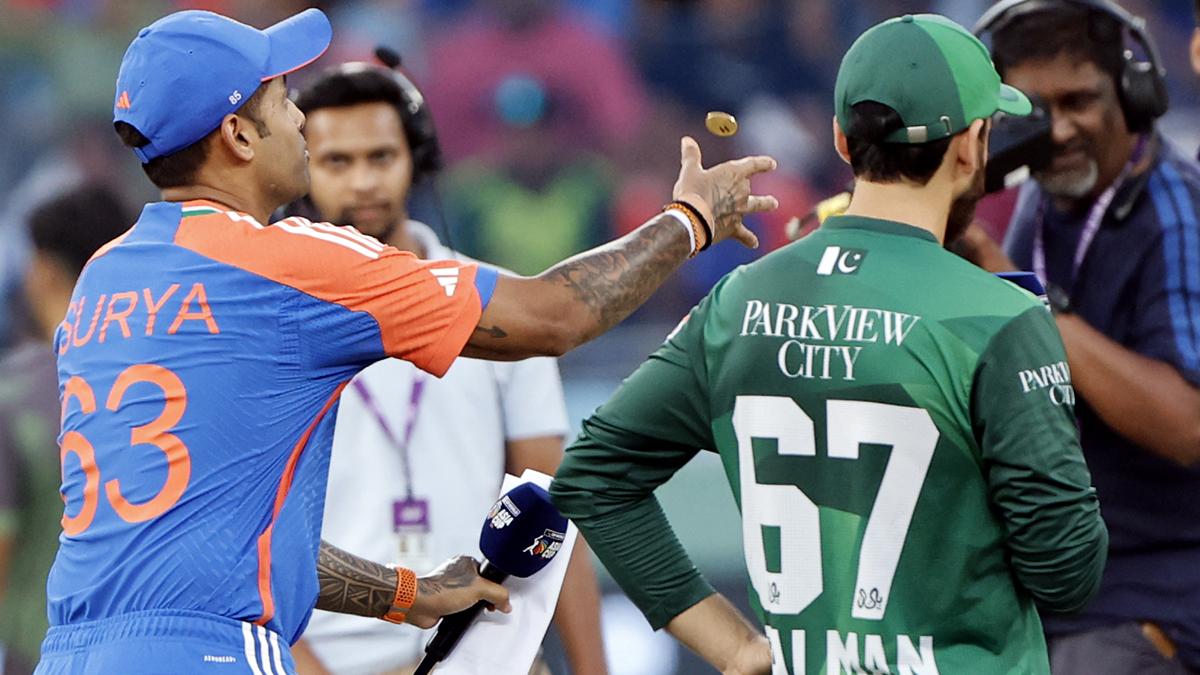
Sahibzada Farhan's gunfire salute on scoring a half-century in Sunday's match against India is the latest manifestation of the state of India-Pakistan relations -- but it won't be the last,.
An avoidable gesture, a nasty gesture, a gesture that is guaranteed to raise the hackles of the Indian team, as well as the citizenry at large, Farhan is bound to face action from the sport's governing body.
Despite all his heroics, and antics, India replied in the only manner permitted in the sporting arena -- with the bat -- showing Farhan and all his supporters that the winner takes it all.
Unlike in the past, the Asia Cup, the first cricketing encounter between the two nations since the Pahalgam terror attack for which Islamabad refuses to own up any responsibility, just as it hasn't for all the terror attacks since in the 1993 Mumbai serial blasts, has seen India draw a clear thin red line.
India's participation in the tournament was itself in doubt, with a strong section of the ruling party itself set against playing Pakistan.
Clearly, a decision has been taken to continue engagements in bilateral series, but to keep any sign of bonhomie out.
Which explains the cold shoulder to Pakistani cricketers in the first encounter between the two teams on September 14, a decision that clearly caught Pakistan unawares.
For the impression was that India, a nation that plays by the rules, won't allow politics to seep into its sporting encounters.
This has been India's longstanding position, which allowed for Indian players to commingle with their Pakistani counterparts on the field and off it too.
There are any numbers of viral visuals online that attest to this.
Under the new rules of engagement, India has removed 'terrorism' from under the head of 'political differences', where it lay for the most of the past.
Political differences are the usual set of issues that plague nations all the time. Like with Canada and India during Justin Trudeau's tenure, or even between the US and India over the last couple of months.
They are par for the course in international diplomacy.
But with Pakistan, the differences are not political. They are territorial as well as terrorism-oriented.
India's new red line dictates that the days of treating these as political differences are over, and India will not resile from this position.
And the decision is not confined to the government level alone, but even the players at the ground level.
Before the Indian team entered Dubai's Ring of Fire last Sunday, the decision had been communicated to them, and accepted.
And this will be the same across all sports, whenever India engages Pakistan in multilateral competitions.
A qualified yes to playing sports; an emphatic no to friendship.
Pakistan clearly did not expected this changed stance from India, and expected the business as usual approach.
The handshake rebuff and absence of warmth caught them off-guard, used as it is to playing the victim card.
Which explains their over the top reaction, and attempt to escalate matters.
Exiting the tournament was out of the question for them, plus there was India's gigantic clout in the cricketing world.
So after sulking internally, and no doubt consultations with the PCB high-ups, who must have been advised the country's top brass, Pakistan came up with its rebuttal tactic.
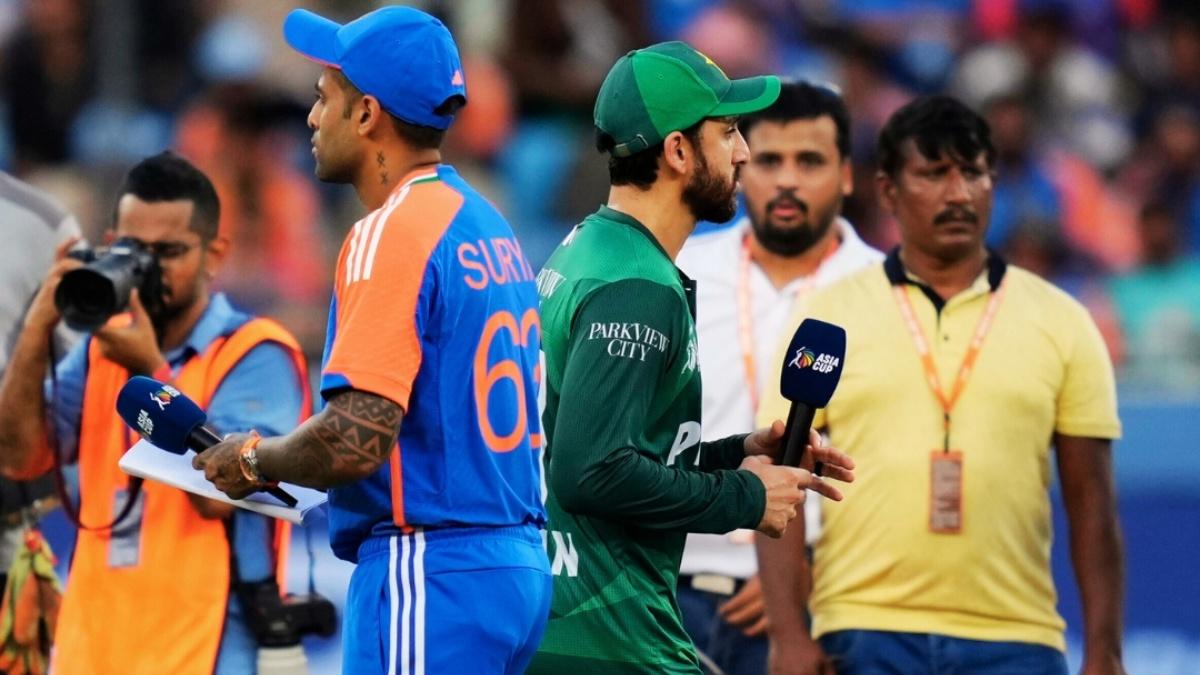
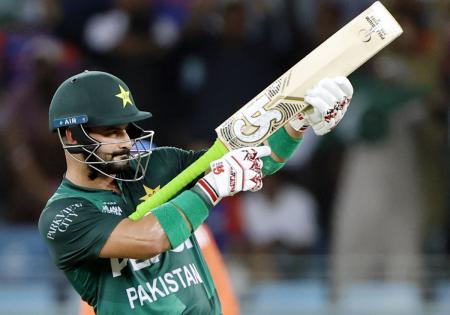
So witness Sahibzada's gun-firing gesture this Sunday that followed Surya Kumar Yadav's cold shoulder to Pak captain Salman Agha at the toss.
And Harris Rauf's plane motion after SKY's dismissal for a duck, flashing the 6-0 from the boundary line, and the ugly exchange with the destructive Abhishek Verma, were all responses thought up by the team management as a tit-for-tat.
If the intention was to roil the Indian cricket fans with these controversial antics, it may have worked.
But did it succeed in disturbing the rhythm of the Indian players, as it was expected?
The results speak for themselves.
Captain SKY could not have been any more vocal.
Asked about the so-called India-Pakistan rivalry on field, he was cut and dry.
'What is a rivalry? If two teams have played 15 matches and it's 8-7, that's a rivalry. Here it's 13-1 (12-3) or something. There is no contest,' he told a Pakistani journalist during the post-match presser.
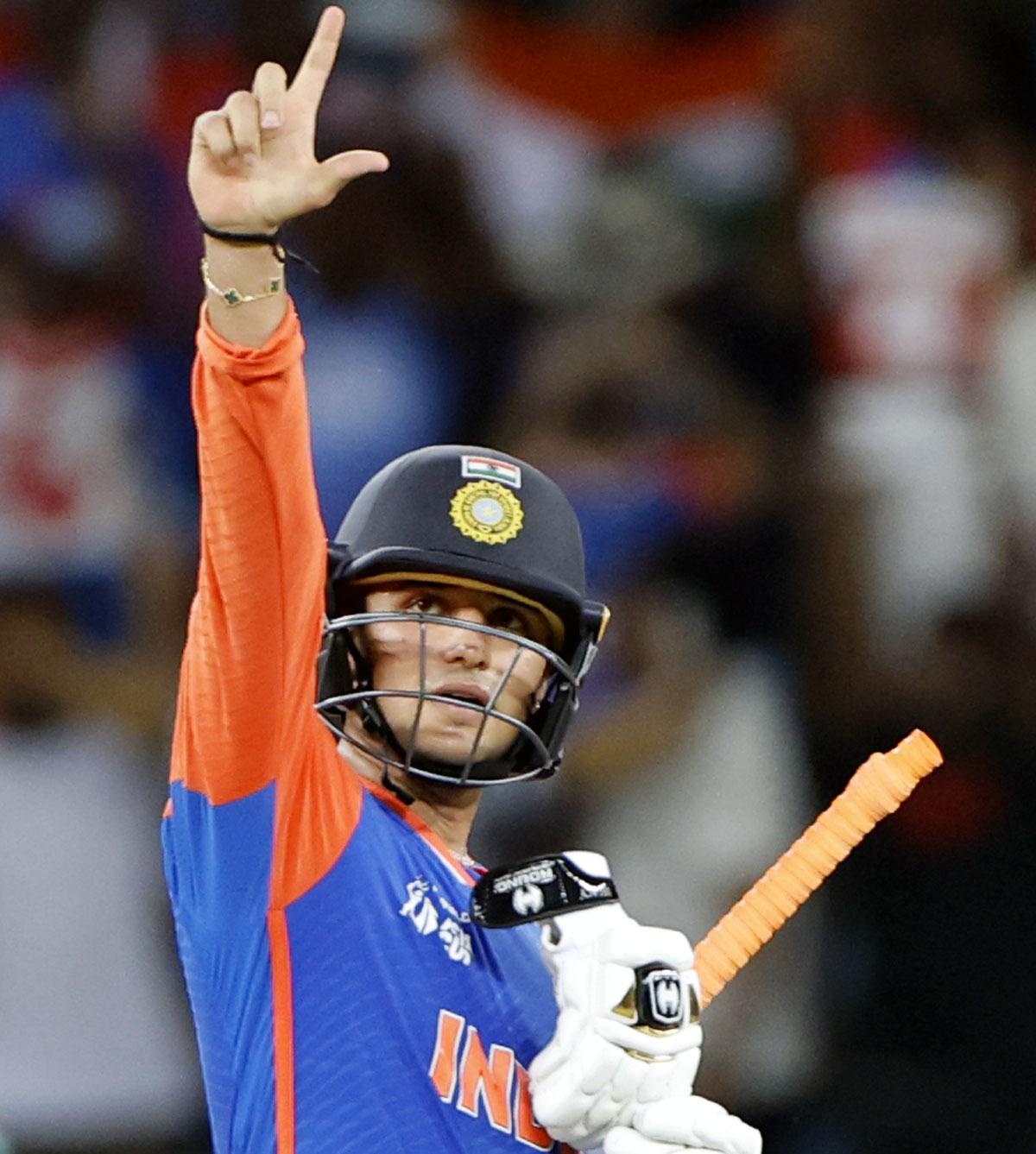
But the most devastating words came from India's golden boy Shubman Gill, in the form of a tweet.
In just four words, he had summed up India's response to Pakistan's theatrics on the field, and its sorry attempt to up the ante.
What will Pakistan come up at the next encounter between the two teams, assuming that they meet in the Asia Cup final?
Going by previous record, the men in green will no doubt try their tired trick of getting under the Indian team's skin.
But a better outcome, for themselves, their fans, as well as the game, would be if they choose to focus on the quality of their game.
And, remember that there is no going back to the old normal for India.

For too long has cricket been used to paper over the fundamental differences between the two nations.
For too long has Pakistan gotten away with running with the terrorists and hunting with the forces.
This duplicity needs to end.
And the world needs to realise that for too long has it let Pakistan get away.
There are some things that are non-negotiable for India.
And playing cricket like all is normal while it isn't, is one of them.
The players have caught on to it, it is up to the rival, sorry, the no-contest team, to realise it, too.
Feature Presentation: Aslam Hunani/Rediff