
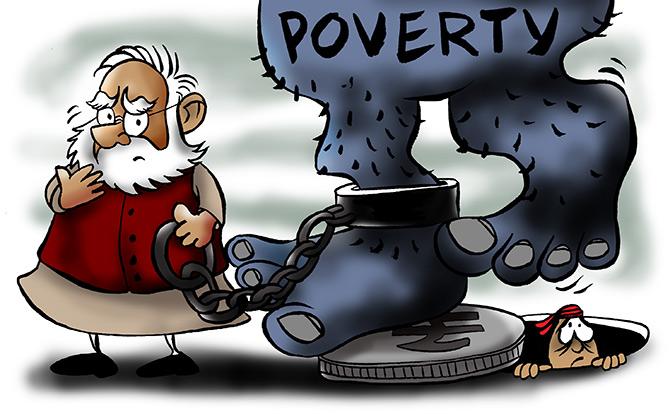
'All governments are scared of a negative image.'
'Somehow, this government has a tendency to create a narrative that things are improving.'
'When the real data gives a different picture, they are upset.'
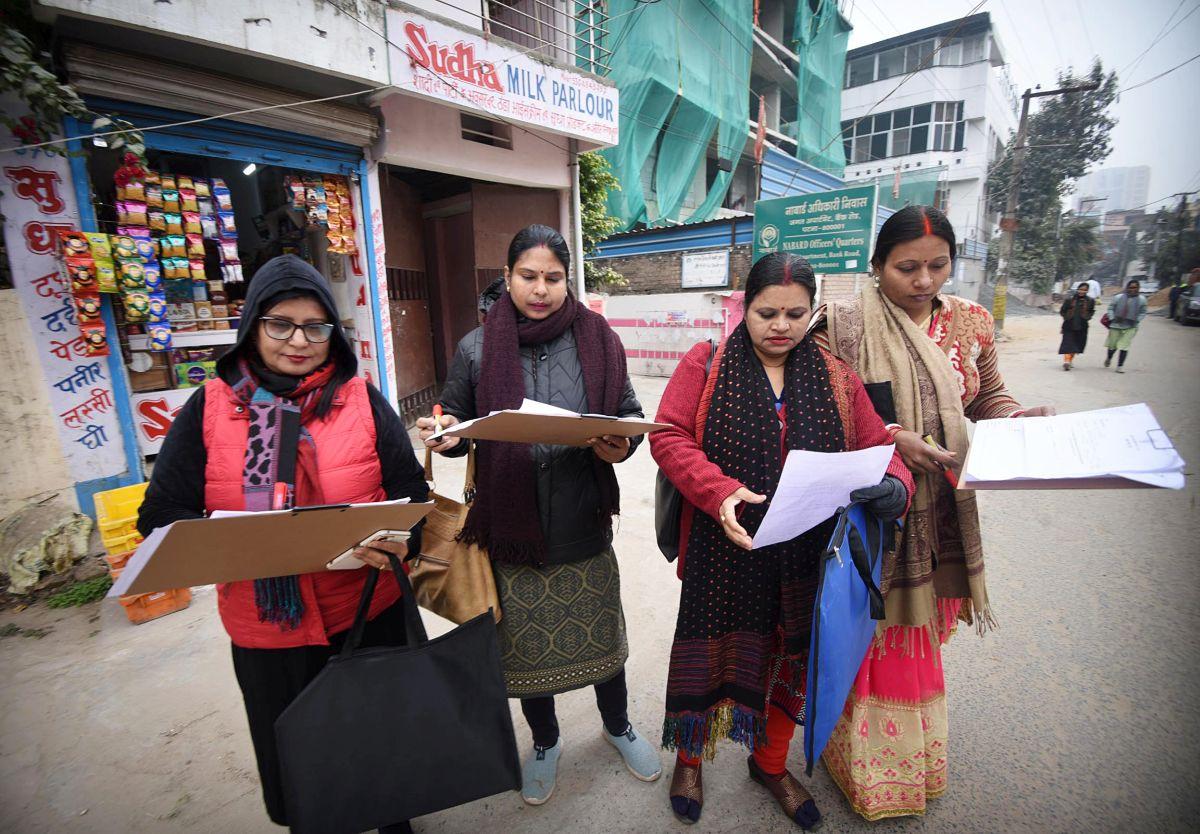
Now that the massive exercise of conducting Census 2027 has started, there has been a lot of debate and discussions on how it should collect the data and what the government should do with the data.
It was in 2011 that the last census took place, and a lot has changed in these 14 years.
Will the data reveal some unexpected results?
"Census data may not be very useful to give us a true picture, at least we will get better numbers when you put the Employment Survey and Census together," P C Mohanan, former acting chairman, National Statistical Commission, tells Rediff's Shobha Warrier.
The concluding segment of a two-part interview:
- Part 1 of the Interview: 'Migration Will Be Most Challenging Aspect Of Census'
So, is it possible to have a national caste census when the caste in each state is so different and diverse?
It is possible to prepare a list for each state separately. It can only be prepared state-wise.
But again, there is an issue due to migration. For example say there is a huge migrant population in Tamil Nadu or Kerala. Caste names of these migrants will not be there in the state list.
And those who prepare a caste list in Tamil Nadu or Kerala may not have any idea on these caste names.
So, what I suggest is, they should prepare a state-wise list and in the case of migrants, you relate their caste to the states from where they come.
It is not a difficult task as it is going to be an app-based digital census.
But what is needed first is to prepare a state-wise list of castes. Then, that list should be made available to all the enumerators throughout India, and not just in that state alone. How far the enumerators will be familiar with the caste names of other states is a big question.
Only then, those who need benefits will not be left out when they migrate to another city or to a different state.
Would you say, after migration, caste census will be the most challenging part of Census 2027?
Because of migration, conducting a caste census at the national level will be difficult.
For example, the castes of Tamil Nadu or Kerala or Bihar may not be recorded in Delhi, and the castes of Bihar or Bengal will not be recorded in Kerala or Tamil Nadu.
That's why I said, a complete state-wise list has to be available nationally to all the enumerators.
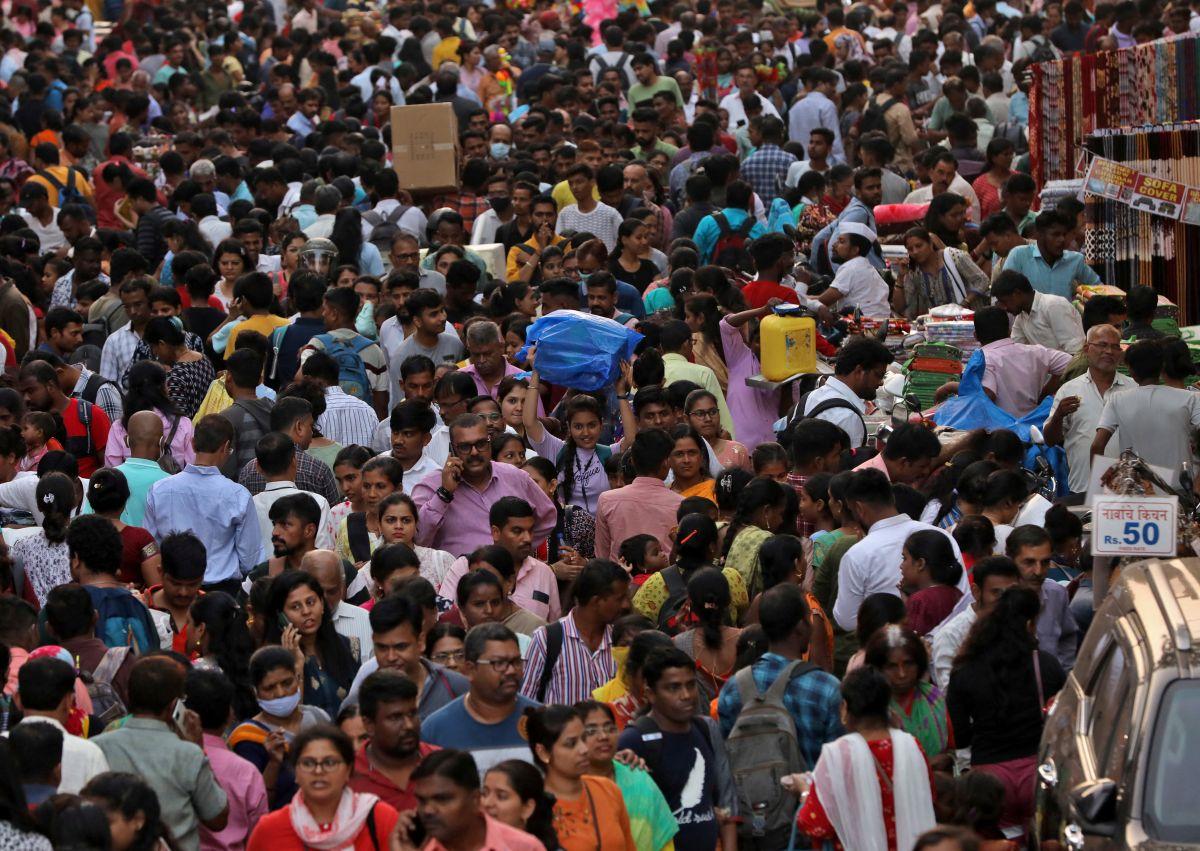
India is described as a young country. But a section of its population is also ageing. Do you think the census will come out with a number that will make India no longer a young country?
The ageing population is restricted to some states. But then you have very young states like Bihar, MP and UP.
We already know that the birth rate of states like Kerala and Tamil Nadu etc are below the replacement level.
I don't expect anything unexpected to come out of the census. Overall, it will be balanced.
That will take us to the most politically controversial subject, the delimitation exercise.
Delimitation indeed is more a political issue.
As per the current law, delimitation will be done based on any census conducted after 2026.
In the normal course, it should have been based on the 2031 census.
Now that we have a census in 2027, legally this data can be used for delimitation of the constituencies.
Yes, this will have an impact on some states which have well done in population control.
I hope it will be sorted out politically.
The states that have controlled unprecedented population growth, feel they are being punished for the good they have done...
It is actually happening. In the case of finance commission devolution also, there is a criterion on population.
So, there is a feeling among some states that they are not getting their due compared to states with larger population like Bihar or UP.
There are a lot of issues coming -- political, economic and social -- because of the differential population growth that is happening in India.
In 2019, you resigned as the chairperson of National Statistics Commission in protest against the Centre's decision to withhold data pertaining to high unemployment under the government in 2016-2017.
Now, we are going to get a lot of data, some may not put the government in good light.
The 2019 employment data was the government's own survey which they were doing after several years.
The report said that unemployment rate had gone up to 6% from 3.1%.
Because the elections were due, they refused to release the report approved by the National Statistics Commission without giving any reason. I waited for some time. But since they had no plans to release it, I chose to resign as the chairperson.
Ironically, the same report was released without any change after the election results were out. In fact, the same night, they published the report.
The intentions were very clear, that the data should not be out before the elections.
In the last decade, ever since this government came to power, a lot of claims have been made.
Whenever data does not match the claim, they raise a lot of questions and junk the data.
But when the data looks good, hardly any questions are raised.
Like some report that said, India has become the fourth equal country in the world! They celebrated this.
This is the tragedy of our times.
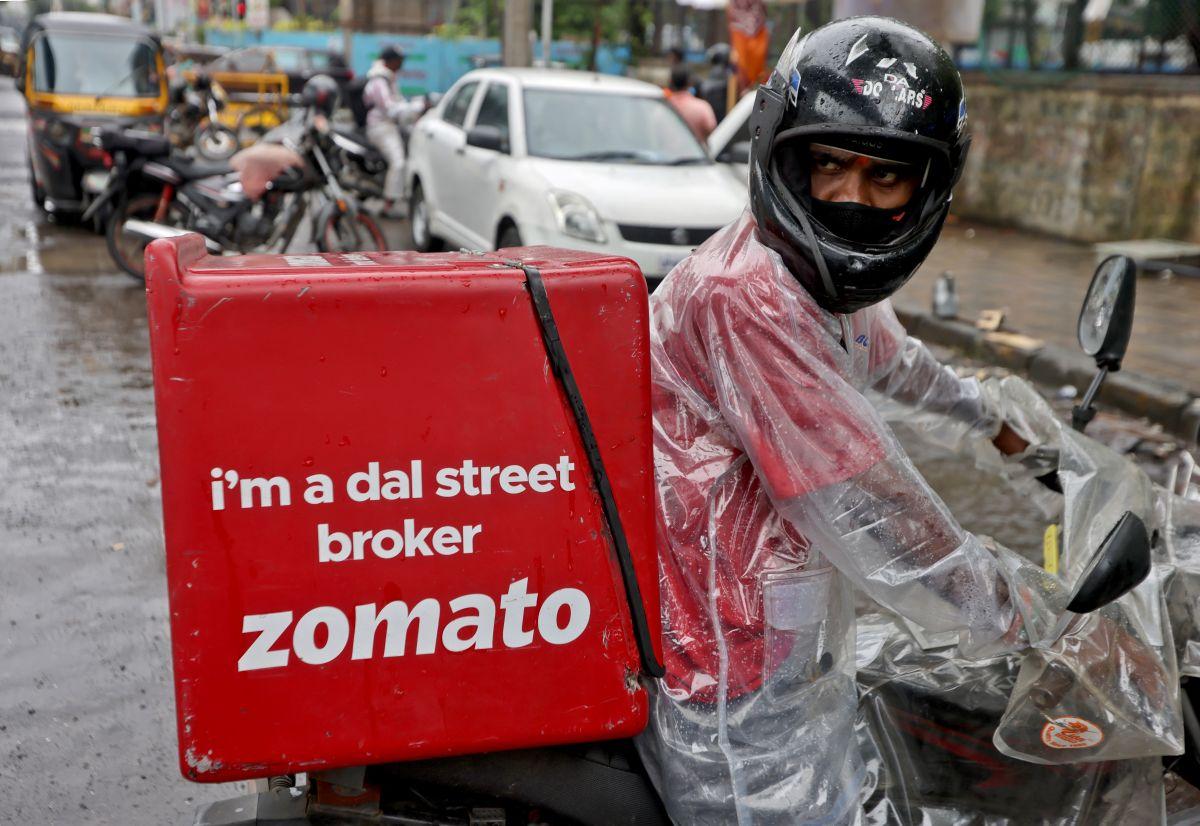
IMAGE: A delivery worker of Zomato prepares to leave to pick up an order from a restaurant in Mumbai. Photograph: Francis Mascarenhas/Reuters
But unemployment is a reality...
Yes. The educated unemployed is one big issue today. We see it every day. The gig workers you see from early morning on the road are graduates and post graduates but have not been able to find a job.
Wage rates have not been rising in the past decade or so.
There is a mismatch between the education level and employment.
Even though a lot of schemes get announced regularly, unfortunately they have not been able to address the employment situation.
Census data may not be very useful to give us a true picture, at least we will get better numbers when you put the Employment Survey and Census together.
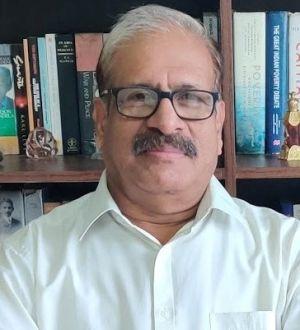 IMAGE: P C Mohanan
Was this the way earlier governments also reacted? Suppressing the data that put them in bad light...
It was not there earlier. When Dr Manmohan Singh started liberalisation in 1991, the NSSO surveys showed that poverty had increased. But there was no attempt to suppress the reports.
The government wanted a healthy discussion as they knew liberalisation would increase poverty in the initial days.
Nobody tried to stop the reports.
Now there is an attempt to show that every poverty indicator is down.
According to the government, there is hardly any poverty in this country.
And the methodology also has changed in collecting poverty data. But they are using the same poverty line which they had been using earlier. That way, the estimates may look lower.
Why do you think this government is so scared of the real picture?
Generally, all governments are scared of a negative image.
Somehow, this government has a tendency to create a narrative that things are improving. Then, they have all these fancy slogans to tell people that everything is doing very well.
When the real data gives a different picture, they are upset.
Feature Presentation: Aslam Hunani/Rediff







 © 2025