
Around a year ago, Bharti group Chairman Sunil Mittal was asked to respond to caste-based reservations in the private sector. His response was quite candid.
Agreeing with the premise that greater inclusiveness was the need of the hour, Mittal had made it clear that the industry's hand could not be press-ganged into accepting reservation.
A year later, Mittal was on stage at a Confederation of Indian Industry conference last week when Prime Minister Manmohan Singh made the most forceful plea ever for industry to promote inclusive growth. Having heard the PM's 10 commandments, Mittal responded a day later. The crux of his response was the same: The government cannot force industry to accept its diktat on salaries.
It is in this unprecedented backdrop of a government seeking to push its political agenda through the growing private sector that Mittal has assumed charge as the CII president.
- ALSO SEE: Here's what top Indian CEOs earn
The coming year will test his skills at managing and balancing interests of industry with that of the United Progressive Alliance government.
Excerpts from an interview:
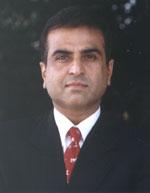 What do you think prompted the prime minister to come up with a social charter?
If you look at the Budget and the discussions that followed, it was evident the government is concerned about rising prices and increasing inequalities. Thus, the charter was expected.
Do you think pressure will intensify on the industry to deliver on inclusiveness?
I did not sense that the government wants to intervene in the free market. But, I clearly got a sense of the frustration that the government is facing. There is a mismatch between supply and demand with enough capacity not coming up.
A proper assessment has to be done keeping in mind that industry will create demand wherever there is profitability. But this lag should not be seen as an intention of not creating capacities.
In the last few years, India has seen a huge growth and supply will catch up. The Centre is signalling industry that it has no intention of legislating, but wants industry to be responsible.
Is the CII thinking of an action plan based on what the PM said?
The CII will discuss these issues within itself. Out of the 10 proposals, seven are already being dealt with, including the need for affirmative action, sustainable growth, skill building, innovativeness and entrepreneurship, as well as corruption through the 'Integrity India' campaign. What needs to be realised is that the CII is only a catalyst which provides a platform where the PM can interact with industry.
Would you encourage companies to come up with a social charter?
The 10






 © 2025