
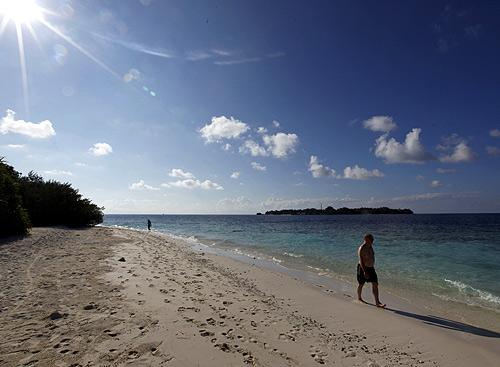
Photographs: Reinhard Krause/Reuters.
The biggest challenge for workers across the world is to find a perfect balance between work and life.
Long work hours can impact health, jeopardise safety and increase stress among employees, according to studies.
The Organisation for Economic Cooperation and Development (OECD) has revealed best nations with work-life balance, taking into consideration the average length of the workday, employment rate of women with children and the time people spent on leisure and personal care.
Read on to find out which countries offer the perfect work-life balance according to an OECD study...
1. Denmark
People in Denmark work 1559 hours a year, lower than the OECD average of 1749 hours. The share of employees working more than 50 hours per week is not very large across OECD countries. In Denmark, only 2% of employees work very long hours, much lower than the OECD average of 9%.
People in Denmark devote 69% of their day, or 16.1 hours, to personal care (eating, sleeping, etc.) and leisure (socializing with friends and family, hobbies, games, computer and television use, etc.) - higher than the OECD average of 14.8 hours.
In Denmark, both men and women devote approximately 16 hours per day to personal care and leisure.
...
(OECD's 'Your Better Life Index' currently profiles the 34 OECD member countries as well as key partners Brazil and Russia.)
Work-life balance: World's 20 best nations

Photographs: Yves Herman/Reuters.
2. Belgium
Men in Belgium spend 151 minutes per day cooking, cleaning or caring, more than the OECD average of 131 minutes but considerably less than Belgian women who spend 245 minutes per day on average on domestic work.
People in Belgium work 1551 hours a year, one of the lowest rates in the OECD where the average is 1749 hours.
The share of employees working more than 50 hours per week is not very large across OECD countries.
In Belgium, 4% of employees work very long hours, lower than the OECD average of 9%.
...
Work-life balance: World's 20 best nations

Photographs: Enrique Calvo/Reuters.
3. Spain
Men in Spain, spend 107 minutes per day cooking, cleaning or caring, lower than the OECD average of 131 minutes and less than half as long as Spanish women who spend 294 minutes per day on average on domestic work .
People in Spain work 1663 hours a year, lower than the OECD average of 1 749. The share of employees working more than 50 hours per week is not very large across OECD countries.
In Spain, some 7% of employees work very long hours, lower than the OECD average of 9%. Overall, men spend more hours in paid work: in Spain 9% of men work very long hours, compared with 4% for women.
...
Work-life balance: World's 20 best nations

Photographs: Srdjan Zivulovic/Reuters.
4. Norway
Men in Norway, spend 152 minutes per day cooking, cleaning or caring, higher than the OECD average of 131 minutes but still less than Norwegian women who spend 225 minutes per day on average on domestic work .
People in Norway work 1414 hours a year, much lower than the OECD average of 1749 hours.
The share of employees working more than 50 hours per week is not very large across OECD countries.
In Norway, some 3% of employees work very long hours, lower than the OECD average of 9%. Overall, men spend more hours in paid work: in Norway 4% of men work very long hours, compared with 1% for women.
...
Work-life balance: World's 20 best nations
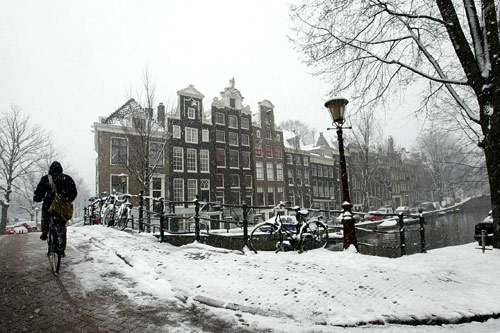
Photographs: Reuters.
5. The Netherlands
Men in the Netherlands, spend 163 minutes per day cooking, cleaning or caring, higher than the OECD average of 131 minutes but still less than Dutch women who spend 273 minutes per day on average on domestic work.
People in the Netherlands work 1 377 hours a year, the lowest rate in the OECD and much lower than the OECD average of 1 749 hours.
The share of employees working more than 50 hours per week is not very large across OECD countries. In the Netherlands, only 1% of employees work very long hours, the lowest in the OECD where average is 9%.
...
Work-life balance: World's 20 best nations
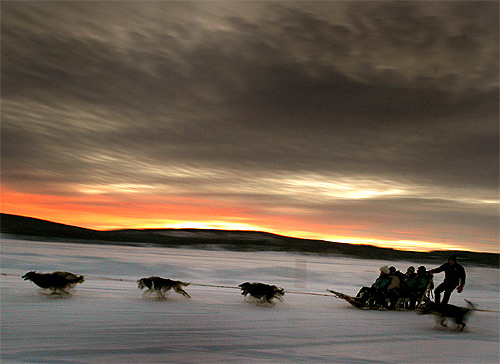
Photographs: Bob Strong/Reuters.
6. Sweden
Men in Sweden, spend 177 minutes per day cooking, cleaning or caring, higher than the OECD average of 131 minutes but still less than Swedish women who spend 249 minutes per day on average on domestic work.
People in Sweden work 1 624 hours a year, lower than the OECD average of 1749 hours.
The share of employees working more than 50 hours per week is not very large across OECD countries. In Sweden, barely 1% of employees work very long hours, much lower than the OECD average of 9%.
...
Work-life balance: World's 20 best nations
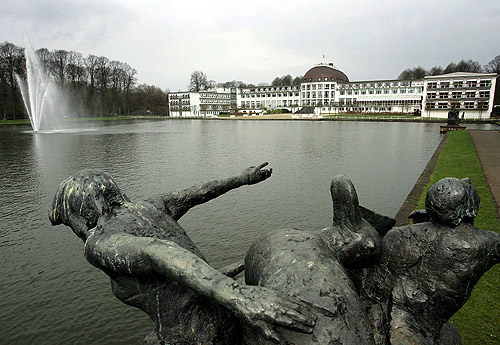
Photographs: Reuters.
7. Germany
Men in Sweden, spend 177 minutes per day cooking, cleaning or caring, higher than the OECD average of 131 minutes but still less than Swedish women who spend 249 minutes per day on average on domestic work.
People in Sweden work 1624 hours a year, lower than the OECD average of 1 749 hours. The share of employees working more than 50 hours per week is not very large across OECD countries.
In Sweden, barely 1% of employees work very long hours, much lower than the OECD average of 9%.
People in Sweden devote 65% of their day, or 15.1 hours, to personal care (eating, sleeping, etc.) and leisure – close to the OECD average of 14.8 hours.
...
Work-life balance: World's 20 best nations
Photographs: Yannis Behrakis/Reuters.
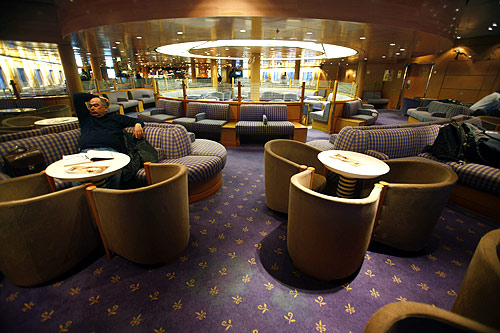
8. Greece
People in Greece work 2109 hours a year, one of the highest rates in the OECD and much higher than the OECD average of 1 749 hours.
The share of employees working more than 50 hours per week is not very large across OECD countries.
In Greece, some 5% of employees work very long hours, lower than the OECD average of 9%. Overall, men spend more hours in paid work: in Greece 6% of men work very long hours, compared with 4% for women.
...
Work-life balance: World's 20 best nations
Photographs: Eduard Korniyenko/Reuters.
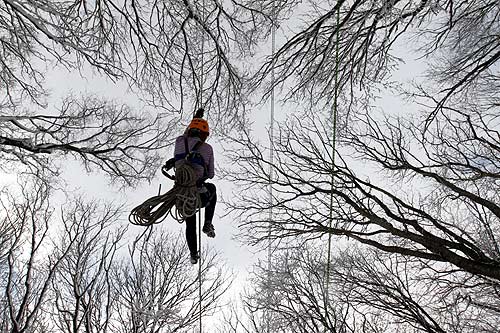
9. Russia
People in Russia work 1976 hours a year, higher than the OECD average of 1749 hours.
The share of employees working more than 50 hours per week is not very large across OECD countries.
In the Russian Federation only 0.2% of employees work very long hours, much lower than the OECD average of 9%.
Overall, men spend more hours in paid work across the OECD. In Russia however, there is hardly any difference.
...
Work-life balance: World's 20 best nations
Photographs: Eduard Korniyenko/Reuters.
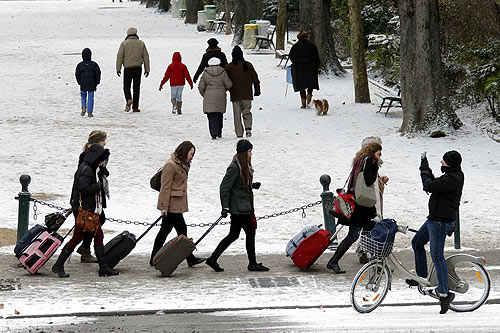
10. France
Men in France, spend 136 minutes per day cooking, cleaning or caring, higher than the OECD average of 131 minutes but still less than French women who spend 258 minutes per day on average on domestic work .
Another important aspect of work-life balance is the amount of time a person spends at work. Evidence suggests that long work hours may impair personal health, jeopardize safety and increase stress.
People in France work 1 554 hours a year, lower than the OECD average of 1749 hours. The share of employees working more than 50 hours per week is not very large across OECD countries.
In France, nearly 9% of employees work very long hours, in line with the OECD average. Overall, men spend more hours in paid work: in France 12% of men work very long hours, compared with 5% for women.
...
Work-life balance: World's 20 best nations
Photographs: Reuters.
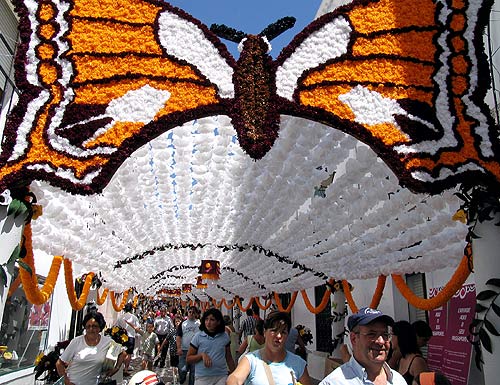
11. Portugal
Men in Portugal, spend 96 minutes per day cooking, cleaning or caring, lower than the OECD average of 131 minutes and less than a third as long as Portuguese women who spend 328 minutes per day on average on domestic work, one of the highest differences in the OECD .
People in Portugal work 1714 hours a year, less than the OECD average of 1 749 hours. The share of employees working more than 50 hours per week is not very large across OECD countries.
In Portugal, nearly 5% of employees work very long hours, lower than the OECD average of 9%. Overall, men spend more hours in paid work: in Portugal 8% of men work very long hours, compared with 3% for women.
...
Work-life balance: World's 20 best nations
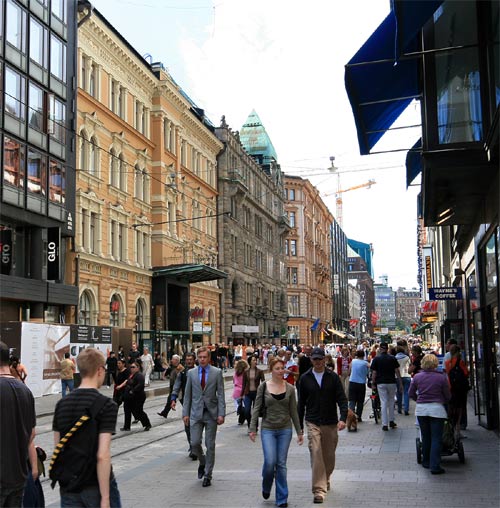
Photographs: Wikimedia Commons.
12. Finland
Men in Finland spend 154 minutes per day cooking, cleaning or caring, higher than the OECD average of 131 minutes but still less than Finnish women who spend 245 minutes per day on average on domestic work .
People in Finland work 1697 hours a year, lower than the OECD average of 1749 hours. The share of employees working more than 50 hours per week is not very large across OECD countries.
In Finland, 4% of employees work very long hours, lower than the OECD average of 9%. Overall, men spend more hours in paid work: in Finland 6% of men work very long hours, compared with 2% for women.
People in Finland devote 68% of their day, or 14.9 hours, to personal care(eating, sleeping, etc.) and leisure(socializing with friends and family, hobbies, games, computer and television use, etc.) – close to the OECD average of 14.8 hours.
...
Work-life balance: World's 20 best nations
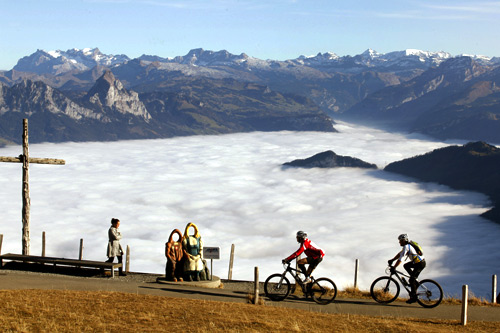
Photographs: Arnd Wiegmann/Reuters.
13. Switzerland
People in Switzerland work 1640 hours a year, lower than the OECD average of 1749 hours.
The share of employees working more than 50 hours per week is not very large across OECD countries.
In Switzerland, nearly 6% of employees work very long hours, lower than the OECD average of 9%.
...
Work-life balance: World's 20 best nations
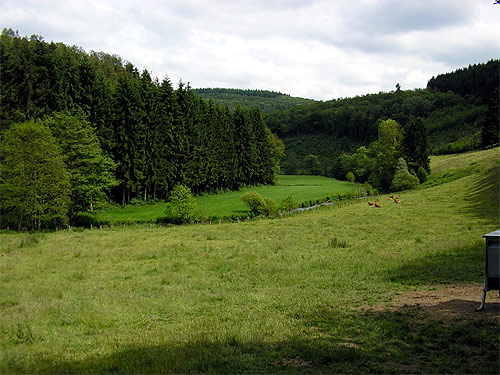
Photographs: Wikimedia Commons.
14. Luxembourg
Men in the Netherlands, spend 163 minutes per day cooking, cleaning or caring, higher than the OECD average of 131 minutes but still less than Dutch women who spend 273 minutes per day on average on domestic work.
People in the Netherlands work 1 377 hours a year, the lowest rate in the OECD and much lower than the OECD average of 1 749 hours.
The share of employees working more than 50 hours per week is not very large across OECD countries. In the Netherlands, only 1% of employees work very long hours, the lowest in the OECD where average is 9%.
...
Work-life balance: World's 20 best nations

Photographs: Wikimedia Commons.
15. Italy
Men in Italy, spend 103 minutes per day cooking, cleaning or caring, lower than the OECD average of 131 minutes and less than a third as long as Italian women who spend 326 minutes per day on average on domestic work, one of the highest differences in the OECD .
People in Italy work 1 778 hours a year, higher than the OECD average of 1 749 hours. The share of employees working more than 50 hours per week is not very large across OECD countries.
In Italy, some 5% of employees work very long hours, lower than the OECD average of 9%. Overall, men spend more hours in paid work: in Italy 7% of men work very long hours, compared with 2% for women.
...
Work-life balance: World's 20 best nations
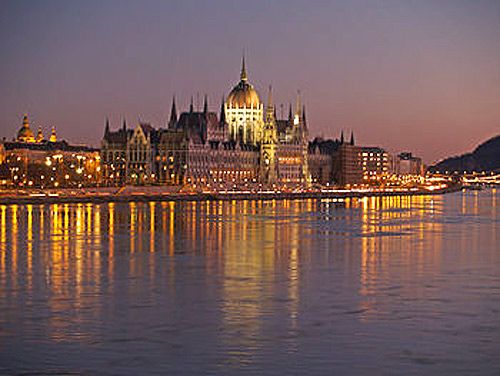
Photographs: Wikimedia Commons.
16. Hungary
Men in Hungary, spend 127 minutes per day cooking, cleaning or caring, lower than the OECD average of 131 minutes and less than half as long as Hungarian women who spend 268 minutes per day on average on domestic work.
People in Hungary work 1 961 hours a year, one of the highest rates in the OECD and higher than the average of 1 749 hours. The share of employees working more than 50 hours per week is not very large across OECD countries.
In Hungary, some 3% of employees work very long hours, lower than the OECD average of 9%. Overall, men spend more hours in paid work: in Hungary 5% of men work very long hours, compared with 2% for women.
...
Work-life balance: World's 20 best nations

Photographs: Wikimedia Commons.
17. Ireland
Men in Ireland spend 129 minutes per day cooking, cleaning or caring, less than the OECD average of 131 minutes and less than half as long as Irish women who spend 296 minutes per day on average on domestic work.
People in Ireland work 1 664 hours a year, lower than the OECD average of 1 749 hours. The share of employees working more than 50 hours per week is not very large across OECD countries.
In Ireland, some 4% of employees work very long hours, lower than the OECD average of 9%. Overall, men spend more hours in paid work: in Ireland 6% of men work very long hours, compared with 1% for women.
...
Work-life balance: World's 20 best nations
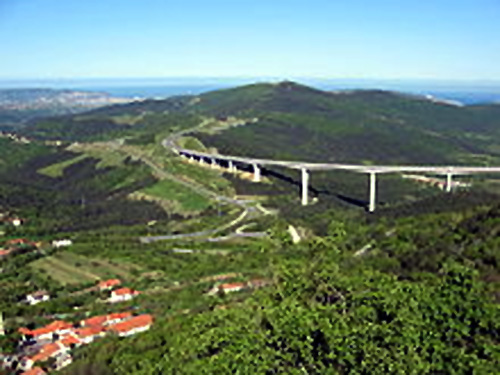
Photographs: Wikimedia Commons.
18. Slovenia
Men in Slovenia, spend 166 minutes per day cooking, cleaning or caring, higher than the OECD average of 131 minutes but still less than Slovenian women who spend 286 minutes per day on average on domestic work.
People in Slovenia work 1 687 hours a year, lower than the OECD average of 1749 hours.
People in Slovenia devote 65% of their day, or 14.6 hours, to personal care(eating, sleeping, etc.) and leisure – lower than the OECD average of 14.8 hours. Fewer hours in paid work for women do not necessarily result in greater leisure time.
In Slovenia, men spend approximately 15 hours per day to personal care and leisure and women 14 hours per day.
...
Work-life balance: World's 20 best nations
Photographs: Wikimedia Commons.
19. Slovak Republic
People in the Slovak Republic work 1786 hours a year, very close to the OECD average of 1 749. The share of employees working more than 50 hours per week is not very large across OECD countries.
In the Slovak Republic, some 6% of employees work very long hours, lower than the OECD average of 9%.
Overall, men spend more hours in paid work: in the Slovak Republic, 9% of men work very long hours, compared with 3% for women.
...
Work-life balance: World's 20 best nations

Photographs: Wikimedia Commons.
20. United Kingdom
Men in the United Kingdom, spend 150 minutes per day cooking, cleaning or caring, higher than the OECD average of 131 minutes but still less than English women who spend 273 minutes per day on average on domestic work.
People in the United Kingdom work 1647 hours a year, lower than the OECD average of 1749 hours. The share of employees working more than 50 hours per week is not very large across OECD countries.
In the United Kingdom, some 12% of employees work very long hours, higher than the OECD average of 9%.
Overall, men spend more hours in paid work: in the United Kingdom 17% of men work very long hours, compared with 6% for women.
article